Zo Tablet (Ofloxacin) | Treatment for Skin, Lung, and Urinary Infections
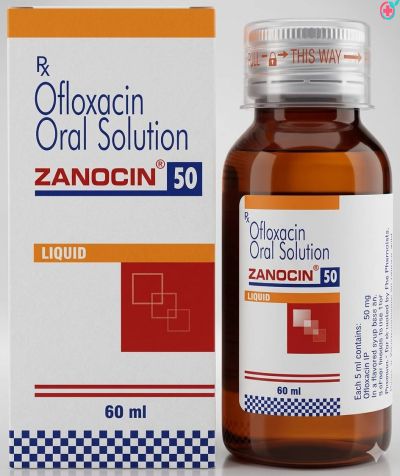
Zo Tablet (Ofloxacin 200mg) is an antibiotic that helps in treating and preventing a wide range of bacterial infections including upper and lower urinary tract infections, lower respiratory tract infections, skin and soft tissue infections, and sexually transmitted infections (of urethra and cervix). Ofloxacin belongs to the group of medicines called 4-fluoroquinolone antibiotics. It acts by killing the bacteria that cause infection. Floxin and Ocuflox are the brand name for Ofloxacin.


Product Overview
Zo Tablet is a potent broad-spectrum antibiotic containing Ofloxacin, a member of the fluoroquinolone class. Zo Tablet is designed to treat various bacterial infections of the skin, lungs, urinary tract, and respiratory tract by interfering with the genetic replication process of the pathogens. Zo Tablet is highly effective against a wide range of aerobic Gram-positive and Gram-negative bacteria. Due to its excellent oral bioavailability and extensive tissue distribution, it is a preferred choice for managing infections of the respiratory tract, urinary system, and skin.
Product Composition
- Active Ingredient: Ofloxacin (typically available in 200 mg or 400 mg strengths)
- Disintegrants: Croscarmellose Sodium and Sodium Starch Glycollate to ensure rapid breakdown in the digestive tract
- Fillers: Microcrystalline Cellulose and Lactose Monohydrate
- Binding Agents: Povidone (PVP K-30) and Maize Starch
- Lubricants: Magnesium Stearate and Purified Talc
- Film Coating: Hypromellose, Polyethylene Glycol, and Titanium Dioxide to protect the tablet and facilitate swallowing
Product Specification
| Feature | Details |
| Drug Class | Second-Generation Fluoroquinolone Antibiotic |
| Pharmaceutical Form | Film-Coated Tablet |
| Primary Indication | Systemic Bacterial Infections |
| Mechanism | Bactericidal (DNA Synthesis Inhibition) |
| Absorption | Rapid and near-complete oral absorption |
| Dosage Frequency | Usually twice daily (Every 12 hours) |
Mechanism of Action
- DNA Gyrase Inhibition: Ofloxacin binds to and inhibits the bacterial enzyme DNA gyrase (Topoisomerase II), which is essential for the replication, transcription, and repair of bacterial DNA.
- Topoisomerase IV Targeting: It specifically targets Topoisomerase IV in many Gram-positive bacteria, preventing the separation of replicated chromosomal DNA during cell division.
- Bactericidal Effect: By inducing irreversible damage to the bacterial DNA structure, Zo Tablet causes rapid cell death rather than just inhibiting growth.
- High Tissue Penetration: The medication reaches therapeutic concentrations in various body fluids and tissues, including the lungs, kidneys, prostate, and skin.
- Concentration-Dependent Killing: The effectiveness of the antibiotic is linked to the peak concentration achieved in the body relative to the susceptibility of the bacteria.
Key Benefits
- Versatile Antibacterial Activity: Effective against a diverse group of bacteria, making it suitable for mixed or complex infections.
- High Bioavailability: Nearly 100% of the oral dose is absorbed into the bloodstream, providing results comparable to intravenous therapy.
- Consistent Dosing: The pharmacokinetic profile supports a standard 12-hour dosing interval, ensuring steady antimicrobial protection.
- Proven Safety Profile: Ofloxacin has been extensively studied and utilized globally for decades for various clinical indications.
- Rapid Symptom Relief: Patients typically experience a significant reduction in infection-related symptoms within 24 to 48 hours of starting treatment.
Usage
Dosage
The dosage of Zo Tablet is determined by the healthcare provider based on the type and severity of the infection, the patient's age, and kidney function. For most common adult infections, the standard dose is 200 mg to 400 mg taken every 12 hours. The duration of treatment typically varies from 3 to 14 days, depending on the site of infection. It is vital to continue taking the medication for the full prescribed period, even if symptoms vanish early, to ensure the infection is completely eradicated and to prevent antibiotic resistance.
Administration
| Step | Action |
| Timing | Take the tablet at the same time every day, ideally 12 hours apart |
| Consumption | Swallow the tablet whole with a full glass of water; it can be taken with or without food |
| Interaction | Avoid taking antacids, iron supplements, or multivitamins containing zinc within 2 hours of your dose |
| Hydration | Increase fluid intake during the day to help the kidneys process the medication effectively |
| Sunlight | Minimize exposure to strong sunlight or UV rays, as Ofloxacin can cause photosensitivity |
| Completion | Finish the entire course as directed by your doctor |
Uses
Respiratory Tract Infections: Treats acute exacerbations of chronic bronchitis and community-acquired pneumonia.
Urinary Tract Infections (UTIs): Effectively manages both uncomplicated and complicated infections of the bladder and kidneys.
Skin and Soft Tissue Infections: Used to treat bacterial infections of the skin, such as cellulitis or infected wounds.
Sexually Transmitted Infections: Acts against specific bacteria causing uncomplicated urethral and cervical gonorrhea or chlamydia.
Prostatitis: Penetrates the prostate gland to treat bacterial inflammation and infection.
Typhoid Fever: Often prescribed for the treatment of enteric fever caused by susceptible strains of Salmonella typhi.
Pelvic Inflammatory Disease (PID): Used as part of a combination therapy to treat infections of the female reproductive organs.
Side Effects
Common Side Effects
- Nausea or stomach upset
- Diarrhea or loose stools
- Headache
- Dizziness or lightheadedness
- Abdominal pain
Less Common Side Effects
- Vomiting
- Loss of appetite
- Sleep disturbances (insomnia)
- Mild skin rash or itching
- Altered taste sensation
Serious Side Effects
| Side Effect | Description |
|---|---|
| Severe allergic reaction | Rash, swelling of face/lips, breathing difficulty requiring urgent care |
| Tendon inflammation or rupture | Pain, swelling, or stiffness in tendons (especially Achilles tendon) |
| Severe diarrhea | Persistent or bloody diarrhea indicating possible antibiotic-associated colitis |
| Nervous system effects | Confusion, tremors, hallucinations, or seizures (rare) |
| Irregular heartbeat | Palpitations or abnormal heart rhythm |
Nervous System Considerations
- May cause dizziness or restlessness in some patients
- Rare risk of seizures in predisposed individuals
- Sleep disturbances may occur during treatment
Musculoskeletal Considerations
- Tendon pain should be taken seriously and reported immediately
- Risk increases in elderly patients or those on steroids
- Avoid strenuous exercise if discomfort occurs
When to Stop Use and Consult a Doctor
- If tendon pain or swelling develops
- If severe rash or allergic reaction occurs
- If severe or persistent diarrhea appears
- If confusion, seizures, or unusual symptoms develop
- If side effects become severe or do not improve
FAQs
Q: What is Zo Tablet used for?
A: It is used to treat bacterial infections including respiratory tract infections such as pneumonia and bronchitis, urinary tract infections, bladder inflammation (cystitis), prostatitis, skin and soft tissue infections, bone and joint infections, gastrointestinal infections, and sexually transmitted diseases such as gonorrhoea and chlamydia.
Q: How does Zo Tablet work?
A: Ofloxacin belongs to the fluoroquinolone class of antibiotics. It works by inhibiting two key bacterial enzymes — DNA gyrase and topoisomerase IV — that are essential for bacterial DNA replication and repair. By blocking these enzymes, it prevents bacteria from reproducing and repairing themselves, ultimately killing the infection-causing organisms.
Q: How should I take Zo Tablet?
A: Take Zo Tablet exactly as prescribed by your doctor. Swallow the tablet whole with a full glass of water, preferably after a meal to reduce stomach irritation. Take it at fixed time intervals every day. Increase fluid intake during treatment and avoid dairy products, as they may reduce the effectiveness of the medicine.
Q: How long does it take to see results?
A: Improvement in symptoms is usually noticed within a few days of starting treatment. Always complete the full prescribed course of treatment even if you feel better, to ensure the infection is fully cleared and to prevent antibiotic resistance.
Q: Can I stop taking Zo Tablet once I feel better?
A: No. Do not stop taking Zo Tablet before the prescribed duration. Stopping early may cause the infection to return or become resistant to the antibiotic, making it harder to treat in the future.
Q: Is Zo Tablet safe for children?
A: Zo Tablet is not recommended for children and adolescents below 18 years of age as it may affect developing cartilage and joints. It should only be used in younger patients under strict medical supervision in specific situations. Always consult a doctor before use in children.
Q: Can it be used during pregnancy or breastfeeding?
A: No. Zo Tablet is not recommended during pregnancy as it may harm the developing fetus. It also passes into breast milk and may cause serious harm to the baby. Breastfeeding must be discontinued while taking this medicine. Always inform your doctor if you are pregnant, planning a pregnancy, or breastfeeding before starting treatment.
Q: Can Zo Tablet cause tendon problems?
A: Yes. Ofloxacin and other fluoroquinolone antibiotics are associated with tendinitis and tendon rupture, particularly of the Achilles tendon. The risk is highest in patients over 60 years of age and those taking corticosteroid medicines. Stop taking the medication immediately and consult your doctor if you experience pain, swelling, or stiffness in any tendon area.
Q: Does Zo Tablet make skin sensitive to sunlight?
A: Yes. Ofloxacin may increase sensitivity to sunlight. Avoid prolonged sun exposure during treatment. Wear protective clothing and apply a broad-spectrum sunscreen of SPF 30 or higher when going outdoors.
Q: Can Zo Tablet interact with other medicines?
A: Zo Tablet may interact with antacids containing aluminium, magnesium, or calcium, iron or zinc supplements, blood-thinning medicines such as Warfarin, NSAIDs such as Ibuprofen, diabetes medicines such as sulfonylureas, Theophylline, Cyclosporine, and Didanosine for HIV. Avoid taking antacids or mineral supplements within 2 hours before or after taking the tablet. Always inform your doctor about all medicines you are currently taking.
Q: Will Zo Tablet treat viral infections like the flu or common cold?
A: No. Zo Tablet is an antibiotic and will only treat bacterial infections. It will not treat viral infections such as the flu, common cold, or COVID-19. Taking antibiotics unnecessarily may contribute to antibiotic resistance.
Interactions
Drug Interactions
| Medicine Type | Interaction Details |
|---|---|
| Antacids (aluminium/magnesium) | Reduce absorption and effectiveness of Ofloxacin |
| Iron or zinc supplements | Decrease antibiotic absorption if taken together |
| NSAIDs (e.g., ibuprofen, diclofenac) | May increase risk of nervous system side effects (rare seizures) |
| Corticosteroids | Increase risk of tendon inflammation or rupture |
| Blood thinners (e.g., warfarin) | May enhance anticoagulant effect and increase bleeding risk |
| Antiarrhythmic drugs | May increase risk of abnormal heart rhythm |
Food & Drink Interactions
- Dairy products may reduce absorption if taken at the same time
- Alcohol can increase dizziness and stomach irritation
- Take with plenty of water for better tolerance
Medical Condition Interactions
- Kidney or liver impairment may require dose adjustment
- Use cautiously in seizure disorders or neurological conditions
- Heart rhythm disorders may require careful monitoring
- Tendon disorders may be aggravated in some patients
Lifestyle Interactions
- Avoid heavy physical activity if tendon pain develops
- Do not skip doses or stop early to prevent resistance
- Use caution while driving if dizziness occurs
- Maintain good hydration during therapy
When to Seek Advice
- If using multiple prescription medicines
- If severe dizziness, tendon pain, or palpitations occur
- If allergic reactions such as rash or swelling appear
- If infection does not improve or worsens during treatment
| Manufacturer | : | A. Menarini India Pvt Ltdine HCL) |
| Trade Name | : | Floxin |
| Generic Search | : | Ofloxacin |
| Strength | : | 100mg, 200mg, 400mg |
Certified Content

Dr. Priya Nair
Clinical Pharmacist & Senior Drug Information Specialist | 9 years
Pharm.D. (Doctor of Pharmacy)
Latest Products