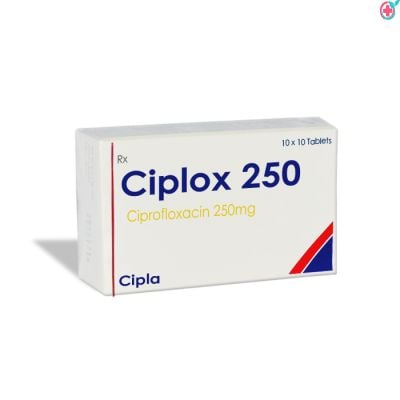
Ciprobid Tablet (Ciprofloxacin) | Used for Bacterial Infections and Urinary Tract Infections
Ciprobid Tablet (Ciprofloxacin) is highly effective against a broad range of bacterial infections, such as those of the skin, bone, respiratory tract, and urinary tract. It is a widely used antibiotic medication belonging to the fluoroquinolone class. It is sold under various brand names, including Cipro, Ciprobid, and others.


Product Overview
Ciprobid Tablet is an antibiotic designed to eliminate a wide variety of bacterial infections , such as those of the skin, bone, respiratory tract, and urinary tract. Formulated with Ciprofloxacin, it belongs to the fluoroquinolone class. By targeting the source of the infection, it helps provide rapid relief from symptoms and prevents the further spread of harmful bacteria within the body.
Product Composition
- Active Ingredient: Ciprofloxacin (as Hydrochloride)
- Dosage Form: Film-coated tablet
- Strength Options: Available in 250mg, 500mg & 750mg formulations
- Category: Quinolone Antimicrobial
Product Specification
| Feature | Details |
| Therapeutic Class | Antibacterial Agent |
| Primary Use | Treatment of severe bacterial ailments |
| Bioavailability | High absorption rate via oral route |
| Storage | Store in a cool, dry place away from direct sunlight |
| Shelf Life | Check individual packaging for expiry date |
Mechanism of Action
- Ciprobid Tablet works by inhibiting the DNA gyrase enzyme, which is essential for bacterial DNA replication.
- It prevents the repair and reproduction of pathogenic bacteria, effectively stopping the growth of the infection.
- The bactericidal action ensures that the targeted microbes are neutralized quickly, reducing the duration of illness.
- It is effective against both Gram-positive and Gram-negative organisms, making it a versatile anti-infective treatment.
Key Benefits
- Fast-Acting Relief: Specifically engineered for rapid absorption to target internal infections quickly.
- Versatile Treatment: Highly effective against typhoid fever, infectious diarrhea, and chronic bronchitis.
- Systemic Efficacy: Provides comprehensive coverage for systemic issues, including prostatitis and bone-related infections.
- High Success Rate: Known for its reliability in clearing stubborn bacterial strains that may be resistant to older antibiotics.
- Convenient Dosing: Designed for an easy oral regimen to ensure consistent antibiotic therapy levels in the bloodstream.
Usage
To achieve the best results with Ciprobid Tablet, the medication should be taken at fixed intervals to ensure a steady concentration of the antibiotic remains in the bloodstream. The tablet should be swallowed whole with a glass of water. While it can be taken with or without food, taking it with a meal can help minimize potential gastric irritation. Avoid taking this medication with dairy products or calcium-fortified juices alone, as these can interfere with the drug absorption.
Dosage and Administration
General Bacterial Infections: For most mild to moderate infections, the standard dose is 250mg to 500mg every 12 hours.
Complicated Infections: For severe cases such as chronic bone infections or complicated renal issues, the dose may be increased to 750mg twice daily.
Typhoid Fever: The typical administration for enteric fever involves a 500mg dose every 12 hours for a specific duration determined by the severity of the case.
Administration Timing: It is best to take the doses at the same time each day to maintain therapeutic efficacy.
Course Completion: The full antibacterial cycle must be finished even if symptoms disappear after a few days to avoid the development of drug-resistant bacteria.
Uses
Ciprobid Tablet is a highly effective fluoroquinolone antibiotic used to treat a wide array of conditions caused by susceptible pathogenic microorganisms. It is specifically formulated to target both Gram-positive and Gram-negative bacteria in various parts of the body.
Clinical Applications
| Category | Targeted Condition |
| Respiratory System | Acute sinusitis, pneumonia, and secondary infections in chronic bronchitis. |
| Urinary Tract | Cystitis, pyelonephritis, and recurring urinary tract infections. |
| Reproductive System | Chronic bacterial prostatitis and certain sexually transmitted bacterial issues. |
| Abdominal Health | Infectious diarrhea, typhoid fever, and complex intra-abdominal infections. |
| Skin & Structure | Soft tissue infections, infected ulcers, and cellulitis. |
| Skeletal System | Osteomyelitis (bone infection) and joint-related bacterial complications. |
Targeted Pathogens
Gram-Negative Bacteria: Highly effective against E. coli, Salmonella, and Shigella responsible for digestive tract infections.
Respiratory Pathogens: Targets Haemophilus influenzae and Streptococcus pneumoniae in lung infections.
Pseudomonas: Often utilized for its ability to combat Pseudomonas aeruginosa in specific systemic infections.
Side Effects
Common Side Effects
Ciprobid Tablet may cause mild side effects that usually improve as the body adjusts to the medicine.
- Nausea
- Vomiting
- Diarrhea
- Stomach pain
- Headache
- Dizziness
- Indigestion
- Loss of appetite
- Skin rash
- Trouble sleeping
Serious Side Effects
| Serious Side Effect | Symptoms |
|---|---|
| Tendon rupture | Sudden tendon pain, swelling, difficulty moving joints |
| Severe allergic reaction | Rash, swelling of face, breathing difficulty |
| Nerve damage | Tingling, numbness, burning sensation in hands or feet |
| Severe diarrhea | Persistent watery or bloody stools |
| Heart rhythm problems | Irregular heartbeat, chest discomfort, fainting |
| Seizures | Uncontrolled body movements or convulsions |
| Liver problems | Yellowing of skin or eyes, dark urine |
| Blood sugar disturbances | Excessive sweating, confusion, weakness |
Digestive System Side Effects
Ciprofloxacin can commonly affect the digestive system and may lead to stomach discomfort, nausea, diarrhea, and vomiting.
Nervous System Related Effects
Some patients may experience dizziness, headache, confusion, nervousness, or difficulty sleeping while taking Ciprobid Tablet.
Muscle and Tendon Problems
This antibiotic may increase the risk of tendon inflammation or tendon rupture, especially in elderly patients and those taking corticosteroids.
Skin Related Reactions
Mild itching, redness, rash, or increased sensitivity to sunlight may occur during treatment.
Effects on Blood Sugar
Patients with diabetes should monitor glucose levels carefully as Ciprofloxacin may cause low or high blood sugar episodes.
When to Contact a Doctor
Seek immediate medical attention if you develop severe allergic reactions, chest pain, persistent diarrhea, seizures, severe tendon pain, or signs of liver problems while using Ciprobid Tablet.
FAQs
Q: What is Ciprobid used for?
A: It treats bacterial infections of the urinary tract, chest, skin, bones, joints, stomach, and ears. Also used for typhoid and anthrax prophylaxis.
Q: Is Ciprobid an antibiotic?
A: Yes, it is a fluoroquinolone antibiotic that kills bacteria by stopping them from reproducing.
Q: Does it work against viral infections like the flu or cold?
A: No. It only works against bacterial infections, not viruses.
Q: How should I take Ciprobid?
A: Swallow whole with a full glass of water. It can be taken with or without food.
Q: How many times a day is it taken?
A: Typically twice daily (every 12 hours), though this depends on the infection and your doctor's advice.
Q: What if I miss a dose?
A: Take it as soon as you remember. If it's nearly time for the next dose, skip the missed one — never double up.
Q: How long should I take it?
A: Usually 3 to 14 days depending on the infection. Always complete the full course.
Q: What are the most common side effects?
A: Nausea, vomiting, diarrhoea, dizziness, headache, and stomach discomfort.
Q: Are there any serious side effects?
A: Rarely — tendon rupture, nerve damage, severe allergic reactions, and mental health effects like confusion or anxiety. Seek immediate medical help if these occur.
Q: Can it cause sun sensitivity?
A: Yes. Avoid prolonged sun exposure and use sunscreen while on this medication.
Q: Who should avoid Ciprobid?
A: Children under 18, pregnant women, breastfeeding mothers, and people with a history of tendon problems related to fluoroquinolones.
Q: Can I take it with antacids?
A: No — antacids containing magnesium, aluminium, or calcium reduce its absorption. Maintain a gap of at least 2 hours.
Q: Is it safe for kidney patients?
A: Dose adjustment may be needed. Always inform your doctor about any kidney conditions.
Q: Does it interact with other medicines?
A: Yes — notable interactions with warfarin, theophylline, antacids, iron supplements, and NSAIDs like ibuprofen.
Q: Can I drink alcohol while taking Ciprobid?
A: It's best to avoid alcohol as it can worsen side effects like dizziness and stomach upset.
Q: What if my infection doesn't improve?
A: Consult your doctor — the bacteria may be resistant or a different antibiotic may be needed.
Q: Can I stop taking it once I feel better?
A: No. Stopping early can lead to antibiotic resistance and the infection returning.
| Manufacturer | : | Zydus Cadila |
| Trade Name | : | Cipro |
| Generic Search | : | Ciprofloxacin |
| Strength | : | 250mg, 500mg, 750mg |
Certified Content

Dr. Priya Nair
Clinical Pharmacist & Senior Drug Information Specialist | 9 years
Pharm.D. (Doctor of Pharmacy)
Latest Products