Oftaquix Eye Drop (Levofloxacin)
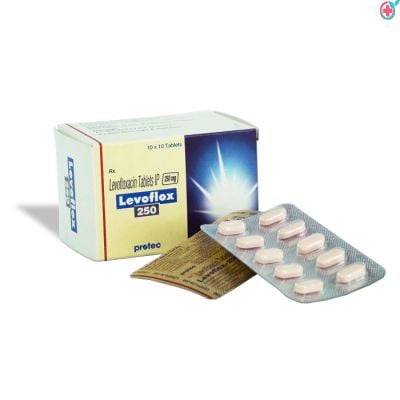
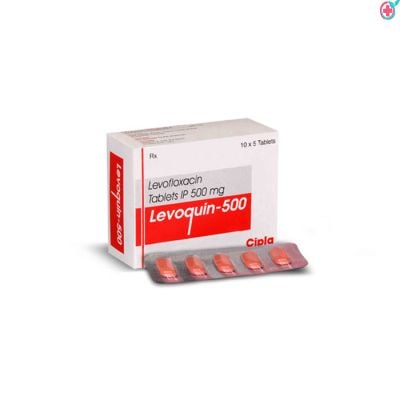
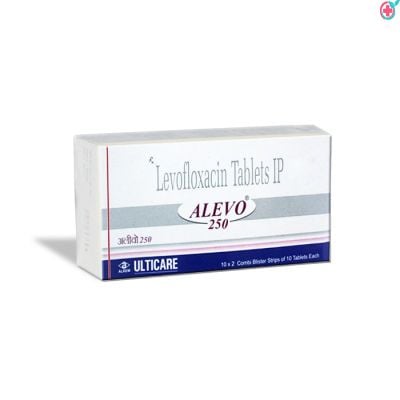
Buy Levofloxacin, OFTAQUIX EYE DROPS contain levofloxacin, which belongs to a group of antibiotics. OFTAQUIX EYE Drops are used in adults and children (over 1 year) to treat bacterial infections affecting the front surface of the eye (eg bacterial conjunctivitis). Levaquin is another brand name for Levofloxacin.


Oftaquix Eye Drop Product Overview
Oftaquix is a potent, third-generation fluoroquinolone antibiotic eye drop containing Levofloxacin. It is a broad-spectrum antimicrobial agent specifically designed to treat external ocular infections. By inhibiting the enzymes necessary for bacterial DNA replication, Oftaquix rapidly eliminates a wide variety of Gram-positive and Gram-negative bacteria, making it a primary choice for acute bacterial conjunctivitis and other superficial eye infections.
Product Composition
- Active Ingredient: Levofloxacin (as Hemihydrate) 5 mg/ml (0.5%)
- Formulation: Sterile Ophthalmic Solution
- Pharmacological Class: Fluoroquinolone Antibiotic
- Preservative: Usually contains Benzalkonium Chloride (in multi-dose bottles)
Product Specifications
| Feature | Details |
| Generic Name | Levofloxacin Ophthalmic Solution |
| Therapeutic Category | Ophthalmic Antibacterial |
| Primary Indication | Bacterial Conjunctivitis |
| Dosing Schedule | Every 2 hours (days 1-2); 4 times daily (days 3-5) |
| Storage | Store below 25°C; do not freeze; keep bottle tightly closed |
Mechanism of Action
Oftaquix works by targeting the fundamental reproductive machinery of the invading bacteria:
- Enzyme Inhibition: Levofloxacin inhibits bacterial DNA gyrase (Type II topoisomerase) and topoisomerase IV. These enzymes are essential for bacterial DNA replication, transcription, repair, and recombination.
- Bactericidal Activity: By preventing the DNA from uncoiling and re-sealing during replication, the medication causes irreversible damage to the bacterial chromosome, leading to rapid cell death.
- Broad Spectrum: It is highly effective against common ocular pathogens, including Staphylococcus aureus, Streptococcus pneumoniae, and Haemophilus influenzae.
- High Ocular Penetration: The 0.5% concentration ensures that the drug achieves therapeutic levels in the tear film and corneal tissue quickly after application.
Key Benefits of Oftaquix Eye Drop
- Rapid Symptom Relief: Quickly reduces the redness, itching, and discharge associated with bacterial eye infections.
- Broad-Spectrum Coverage: Effective against a wide range of bacteria, reducing the need for multiple different types of eye drops.
- Low Resistance Profile: As a third-generation fluoroquinolone, it remains effective against many bacterial strains that have developed resistance to older antibiotics.
- Convenient Dosing: The standard 5-day treatment course is shorter and more effective than many traditional ophthalmic ointments.
- Enhanced Stability: The sterile aqueous solution is designed to stay on the ocular surface long enough to ensure maximum absorption.
- Post-Surgical Protection: Often used by ophthalmologists to prevent infection following corneal surgeries or minor eye injuries.
Oftaquix Eye Drop Precautions
General Safety Guidelines
- Use Oftaquix Eye Drop only as prescribed by your doctor for bacterial eye infections
- Do not use for viral or fungal eye infections unless advised by your healthcare provider
- Complete the full course of treatment even if symptoms improve to prevent recurrence
- Avoid touching the dropper tip to any surface, including the eye, to prevent contamination
Allergy and Sensitivity
- Avoid use if allergic to Levofloxacin or any ingredients in the eye drop
- Report immediately if you experience rash, itching, swelling, or eye discomfort
Use in Special Populations
| Population | Precautions |
|---|---|
| Pregnancy | Use only if prescribed by your doctor; safety not fully established |
| Breastfeeding | Consult your doctor before use; limited safety data available |
| Children | Use with caution; follow pediatric dosage guidance |
| Elderly Patients | May be more sensitive to eye irritation or vision changes |
Eye and Vision Considerations
- Avoid driving or operating machinery immediately after application if vision is temporarily blurred
- Do not wear contact lenses during treatment unless approved by your doctor
Drug and Lifestyle Considerations
- Inform your doctor of all other eye medications being used simultaneously
- Avoid using other topical eye products within 5 minutes of administering Oftaquix
- Maintain proper hygiene to prevent spread of infection
Administration and Storage Guidelines
- Wash hands before applying the drops
- Administer Oftaquix Eye Drop as directed, usually 1-2 drops in the affected eye(s)
- Store in a cool, dry place away from direct sunlight
- Keep out of reach of children
- Do not use expired medication
Oftaquix Eye Drop Usage
Oftaquix is a specialized antibiotic eye drop that must be administered correctly to ensure the medication reaches the site of infection and remains effective throughout the treatment course.
Administration Guidelines
| Feature | Details |
| Route of Administration | Ophthalmic (For use in the eye only). |
| Standard Concentration | 0.5% (5 mg/ml) Levofloxacin. |
| Initial Dosing (Days 1–2) | 1 to 2 drops in the affected eye(s) every 2 hours while awake. |
| Maintenance Dosing (Days 3–5) | 1 to 2 drops in the affected eye(s) 4 times daily. |
| Duration of Treatment | Typically 5 days; follow your physician's specific instructions. |
Important Instructions
Prevent Contamination: Do not let the tip of the dropper touch your eye, eyelid, fingers, or any other surface. This prevents bacteria from entering the bottle and contaminating the remaining solution.
Application Technique: Tilt your head back, pull down the lower eyelid to create a small pocket, and drop the medicine into this pocket. Close your eye gently and press a finger to the corner of the eye (near the nose) for 1 minute to prevent the liquid from draining into the tear duct.
Complete the Course: Even if the eye looks and feels better after 24–48 hours, you must finish the full 5-day supply to prevent the infection from returning or developing antibiotic resistance.
Contact Lens Caution: Remove contact lenses before application. The preservative (Benzalkonium Chloride) can be absorbed by soft lenses. It is highly recommended to avoid wearing lenses entirely until the infection has completely cleared.
Wait Between Meds: If you are using other ophthalmic products (drops or ointments), wait at least 15 minutes between each application to ensure proper absorption of each medication.
Discard After Use: Most ophthalmic solutions should be discarded 28 days after opening the seal to ensure sterility and drug potency.
Oftaquix Eye Drop Uses
Oftaquix is a broad-spectrum fluoroquinolone antibiotic used to treat a variety of bacterial ocular conditions by rapidly eliminating the source of infection.
Bacterial Conjunctivitis: Effectively treats "pink eye" caused by susceptible bacteria, reducing discharge, redness, and irritation.
Superficial Ocular Infections: Used for infections affecting the surface of the eye, including the conjunctiva and the surrounding tissues.
Corneal Ulcer Support: May be prescribed as part of a treatment plan for bacterial keratitis (inflammation of the cornea) to prevent further tissue damage.
Post-Operative Prophylaxis: Often used by eye surgeons to prevent bacterial infection following cataract surgery, LASIK, or other invasive ocular procedures.
Injury-Related Infection Prevention: Applied after minor eye injuries, such as corneal abrasions or the removal of a foreign body, to ensure bacteria do not colonize the wounded area.
Blepharitis Management: Occasionally used to treat bacterial components of eyelid inflammation (blepharitis) when standard hygiene measures are insufficient.
Dacryocystitis Support: Can be used as an adjunctive treatment for infections of the tear drainage system (lacrimal sac) to reduce the bacterial load.
Oftaquix Eye Drop Side Effects
General Side Effect Guidelines
- Side effects may vary depending on dosage, duration, and individual sensitivity
- Most patients tolerate Oftaquix Eye Drop well when used as prescribed
- Report any severe or unusual reactions to your healthcare provider immediately
Common Side Effects
- Mild burning or stinging sensation upon application
- Temporary blurred vision
- Eye redness or irritation
- Mild itching or watery eyes
Serious Side Effects
| Side Effect Category | Symptoms / Warning Signs |
|---|---|
| Allergic Reactions | Rash, swelling of eyelids, severe itching, difficulty opening eyes |
| Eye Irritation | Persistent redness, pain, or discomfort that does not improve |
| Vision Changes | Severe blurred vision, double vision, or loss of vision |
| Infection Exacerbation | Worsening of eye infection if not responding to treatment |
Rare but Severe Side Effects
- Severe allergic reaction (anaphylaxis)
- Persistent eye pain or inflammation requiring immediate medical attention
- Rare cases of corneal damage with improper use
Management and Monitoring
- Wash hands before and after applying drops to prevent contamination
- Avoid touching the tip of the dropper to your eye or other surfaces
- Remove contact lenses before applying unless specifically approved by your doctor
- Seek immediate medical attention if you experience severe eye pain, swelling, or sudden vision changes
Oftaquix Eye Drop FAQs
Q: What is Oftaquix Eye Drop used for?
A: Oftaquix is an antibiotic eye drop used to treat bacterial infections of the surface of the eye, most commonly bacterial conjunctivitis (pink eye). It works by killing the bacteria causing the redness, swelling, and discharge.
Q: How often should I apply the drops?
A: For the first two days, the typical dose is 1–2 drops in the affected eye(s) every two hours while awake (up to 8 times a day). From day 3 to day 5, the frequency is usually reduced to 1–2 drops four times daily. Always follow the specific schedule provided by your doctor.
Q: Can I wear contact lenses while using Oftaquix?
A: No. You should not wear contact lenses while you have an active eye infection. Additionally, the preservative in Oftaquix (Benzalkonium Chloride) can be absorbed by soft contact lenses and may discolor them or cause eye irritation. Wait at least 15 minutes after using the drops before reinserting lenses, though it is best to avoid them entirely until the infection is cleared.
Q: How long should I continue using the drops?
A: A standard treatment course is usually 5 days. Even if your symptoms improve after a day or two, you must complete the full course prescribed by your doctor to ensure the infection is completely eliminated and to prevent antibiotic resistance.
Q: What are the common side effects?
A: The most common side effects include a temporary burning or stinging sensation immediately after application, decreased vision or blurred vision, and a feeling that something is in the eye (foreign body sensation). These usually pass quickly.
Q: Can I use Oftaquix for a viral or fungal eye infection?
A: No. Oftaquix is a fluoroquinolone antibiotic and is only effective against bacterial infections. It will not work for infections caused by viruses (like the common cold) or fungi. Using antibiotics unnecessarily can make them less effective for future infections.
Q: What should I do if I am using other eye drops at the same time?
A: If you are using more than one type of eye drop, wait at least 15 minutes between applications. This prevents the first drop from being washed out by the second and ensures both medications are properly absorbed.
Q: Is it safe to drive after using Oftaquix?
A: Your vision may be temporarily blurred immediately after putting the drops in your eye. Do not drive or operate machinery until your vision is completely clear.
Q: How should I store the bottle once it is opened?
A: Store the bottle at room temperature, away from direct sunlight. Most medicated eye drops should be discarded 28 days after opening to prevent contamination, even if there is liquid remaining. Check the specific instructions on your packaging.
Oftaquix Eye Drop Interactions
General Drug Interaction Guidelines
- Always inform your doctor about all medications, eye drops, or supplements you are using
- Avoid using multiple eye medications simultaneously unless advised by your healthcare provider
- Do not start or stop any other eye treatments without consulting your doctor
Drugs That May Interact with Oftaquix Eye Drop
| Drug / Drug Class | Interaction Effect |
|---|---|
| Other topical antibiotics | May increase risk of eye irritation or reduce effectiveness |
| Corticosteroid eye drops | May mask infection symptoms; consult your doctor before use |
| Ophthalmic NSAIDs | May increase risk of eye irritation or discomfort |
| Systemic fluoroquinolones | Concurrent use may increase systemic exposure; monitor for side effects |
Lifestyle and Supplement Interactions
- Avoid wearing contact lenses unless approved by your doctor during treatment
- Maintain proper hygiene to prevent contamination or reinfection
- Avoid touching the dropper tip to any surface
Monitoring During Interactions
- Watch for increased redness, swelling, or burning sensation after combining medications
- Report any unusual vision changes, persistent irritation, or severe eye pain immediately
- Follow your doctor’s guidance for the timing and spacing of multiple eye medications
| Manufacturer | : | Santen India Pvt Ltd |
| Trade Name | : | Levaquin |
| Generic Search | : | Levofloxacin |
| Strength | : | 1.5% w/v |
Certified Content

Dr. Priya Nair
Clinical Pharmacist & Senior Drug Information Specialist | 9 years
Pharm.D. (Doctor of Pharmacy)
Latest Products