Alcipro Tablet (Ciprofloxacin) | Used to Treat Severe Bacterial Infections
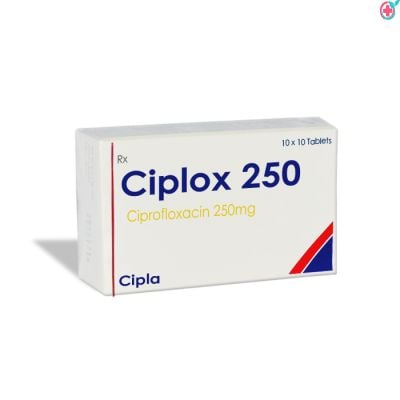
Alcipro Tablet contains Ciprofloxacin, used to treat a wide range of bacterial infections affecting the urinary tract, respiratory tract, skin, soft tissue, bones, joints, and gastrointestinal tract. They work by inhibiting bacterial DNA gyrase and topoisomerase IV, essential enzymes for bacterial DNA replication, thereby preventing bacterial growth.


Product Overview
Alcipro Tablet is a high-performance fluoroquinolone antibiotic containing Ciprofloxacin, designed to eliminate a broad spectrum of pathogenic bacteria. It is a cornerstone treatment for various systemic infections, offering rapid relief by targeting the very core of bacterial survival. Alcipro Tablet is a oral bactericidal agent is highly effective against both Gram-positive and Gram-negative organisms, making it a versatile choice for treating complex infections of the respiratory tract, urinary system, and skin structures.
Product Composition
- Ciprofloxacin Hydrochloride: The primary active pharmaceutical ingredient (available in 250mg, 500mg, or 750mg) that provides powerful anti-infective activity.
- Microcrystalline Cellulose: A refined wood pulp used as a texturizer and binding agent to maintain tablet structural integrity.
- Sodium Starch Glycolate: Functions as a disintegrant, ensuring the tablet breaks down quickly in the stomach for optimal drug release.
- Hypromellose: A semi-synthetic polymer used in the film coating to protect the medication from moisture and mask the bitter taste.
Product Specification
| Feature | Details |
| Therapeutic Class | Second-Generation Fluoroquinolone |
| Standard Strengths | 250mg, 750mg, 1000mg Tablets |
| Bioavailability | High (approximately 70% to 80%) |
| Peak Plasma Time | 1 to 2 hours post-ingestion |
| Primary Metabolism | Hepatic (Liver) |
| Excretion Route | Predominantly Renal (Urinary) |
Mechanism of Action
- Alcipro exerts its effect by specifically inhibiting bacterial DNA gyrase (Topoisomerase II) and Topoisomerase IV, enzymes critical for DNA processing.
- By blocking DNA gyrase, the medication prevents the supercoiling of DNA, which is an absolute requirement for successful bacterial replication.
- The inhibition of Topoisomerase IV interferes with the separation of newly replicated chromosomal DNA, effectively halting bacterial cell division.
- This dual-action approach leads to irreversible DNA damage and rapid bacterial cell death, providing a fast-acting solution to acute infections.
Key Benefits
- Offers an extensive antibacterial spectrum, making it a reliable choice for empiric treatment before specific cultures are returned.
- Known for its superior tissue penetration, reaching therapeutic levels in the prostate, bones, joints, and respiratory fluids.
- Provides a cost-effective and convenient oral therapy option that can often replace expensive intravenous treatments as the patient stabilizes.
- Highly effective for the treatment of typhoid fever and other gastrointestinal infections caused by multi-drug resistant bacteria.
- Maintains a long half-life, allowing for a convenient twice-daily dosing schedule that improves patient compliance.
- Helps prevent the progression of uncomplicated UTIs into more severe kidney infections or systemic sepsis.
Precautions
| General Precaution | Details |
|---|---|
| Use only on prescription | Take Alcipro Tablet only as directed by a doctor |
| Complete full course | Stopping early may lead to resistance |
| Avoid self-medication | Improper use may reduce effectiveness |
| Stay hydrated | Drink plenty of water during treatment |
| Take at correct time | Maintain regular dosing schedule |
Medical Supervision
- Always use under medical guidance
- Inform doctor about allergies to antibiotics
- Share your full medical history before starting treatment
Health Condition Precautions
- Use carefully in kidney or liver disease
- Caution in patients with epilepsy or seizures
- Monitor diabetic patients closely
During Treatment Care
- Avoid skipping or doubling doses
- Report tendon pain or unusual symptoms immediately
- Avoid excessive sun exposure if skin becomes sensitive
Pregnancy and Breastfeeding
- Use only if clearly prescribed by a doctor
- Doctor will evaluate risk vs benefit before use
Safety Advice
- Avoid alcohol if advised
- Do not combine with other antibiotics without medical approval
- Store in a cool, dry place away from moisture and heat
Usage
Proper administration of Alcipro is crucial to achieving optimal peak plasma concentrations and ensuring the complete resolution of the infection.
Dosage
Urinary Tract Infections: Typically 250 mg to 500 mg taken every 12 hours for 3 to 14 days, depending on the severity of the UTI.
Respiratory & Skin Infections: A common dosage of 500 mg twice daily is prescribed based on the depth of the bacterial load.
Infectious Diarrhea: Usually managed with 500 mg every 12 hours for a short course of 5 to 7 days.
Administration
Hydration Protocol: Patients should drink plenty of fluids while taking this medication to prevent crystalluria (the formation of crystals in the urine).
Timing with Food: Tablets can be taken with or without meals, but taking them at the same time each day helps maintain a steady drug level in the body.
Dairy Interruption: Do not take Alcipro with dairy products (like milk or yogurt) or calcium-fortified juices alone, as calcium significantly reduces ciprofloxacin absorption.
Mineral Interaction: Space the dose at least 2 hours before or 6 hours after taking antacids, vitamins, or mineral supplements containing magnesium, aluminum, or iron.
Consistent Cycle: It is mandatory to complete the full antibiotic course even if symptoms disappear to prevent a relapse of the bacterial infection.
Uses
Treatment of complicated and uncomplicated UTIs, including chronic bacterial prostatitis and cystitis.
Management of lower respiratory tract infections, particularly acute exacerbations of chronic bronchitis and nosocomial pneumonia.
Effective resolution of skin and soft tissue infections caused by susceptible Gram-negative pathogens.
Therapy for intra-abdominal infections when used in a multidrug regimen to cover aerobic organisms.
Treatment of bone and joint infections (osteomyelitis) due to its high affinity for mineralized tissues.
Management of traveler's diarrhea and enteric fevers such as Typhoid.
Post-exposure prophylaxis for inhalational anthrax to prevent systemic disease progression.
Side Effects
Common Side Effects
- Nausea
- Vomiting
- Diarrhea
- Headache
- Dizziness
- Injection or tablet related stomach discomfort
Less Common Side Effects
- Loss of appetite
- Abdominal pain or cramps
- Skin rash or itching
- Sleep disturbance
- Increased sensitivity to sunlight
Serious Side Effects
| Serious Side Effect | Details |
|---|---|
| Severe allergic reaction | Swelling, rash, or breathing difficulty |
| Tendon damage | Pain or swelling in joints or tendons |
| Nervous system effects | Confusion, seizures, severe dizziness |
| Severe diarrhea | May indicate serious intestinal infection |
| Liver or kidney issues | Yellowing of skin, dark urine, or abnormal tests |
When to Seek Medical Help
- If you experience severe or persistent diarrhea
- If signs of allergy like swelling or breathing difficulty occur
- If joint pain or tendon discomfort develops
- If unusual mood changes, confusion, or seizures appear
FAQs
Q: What are Alcipro Tablets used for?
A: Alcipro Tablets are used to treat bacterial infections including urinary tract infections, respiratory tract infections, skin and soft tissue infections, bone and joint infections, gastrointestinal infections, and typhoid fever.
Q: How do Alcipro Tablets work?
A: Ciprofloxacin works by inhibiting bacterial DNA gyrase and topoisomerase IV enzymes, preventing bacterial DNA replication and killing the infection-causing bacteria.
Q: What is the recommended dose of Alcipro Tablets?
A: The usual adult dose is 250–750 mg twice daily, depending on the type and severity of infection, as prescribed by the doctor.
Q: Should Alcipro Tablets be taken with food?
A: Alcipro Tablets can be taken with or without food. However, avoid taking them with dairy products or calcium-fortified juices as they may reduce absorption.
Q: How long should I take Alcipro Tablets?
A: The treatment duration varies from 3 to 14 days depending on the type and severity of infection. Always complete the full course as prescribed by your doctor.
Q: What are the common side effects?
A: Common side effects include nausea, vomiting, diarrhea, headache, dizziness, and abdominal discomfort. Inform your doctor if any side effects persist or worsen.
Q: Can Alcipro Tablets be used in children?
A: Ciprofloxacin is generally not recommended for patients under 18 years of age as it may affect cartilage and joint development, unless the benefit outweighs the risk.
Q: Is it safe to take Alcipro Tablets during pregnancy or breastfeeding?
A: It is not recommended during pregnancy or breastfeeding. Consult your doctor for a suitable alternative.
Q: Can patients with kidney disease take Alcipro Tablets?
A: Yes, but dose adjustment and close monitoring are required in patients with renal impairment to avoid drug accumulation and toxicity.
Q: Can Alcipro Tablets cause tendon damage?
A: Yes, Ciprofloxacin has been associated with tendinitis and tendon rupture, particularly in older patients and those taking corticosteroids. Discontinue use and consult your doctor if tendon pain occurs.
Q: What drugs interact with Alcipro Tablets?
A: Alcipro Tablets may interact with antacids, iron supplements, warfarin, theophylline, and NSAIDs. Inform your doctor about all medications you are currently taking.
Q: What precautions should be followed while taking Alcipro Tablets?
A: Stay well hydrated, avoid prolonged sun exposure, do not drive if you feel dizzy, and immediately report any tendon pain, allergic reactions, or neurological symptoms such as seizures or confusion.
Interactions
| Interaction Type | Details |
|---|---|
| Antacids and minerals | May reduce Ciprofloxacin absorption |
| Blood thinners | May increase bleeding risk |
| Anti-diabetic medicines | May affect blood sugar control |
| NSAIDs | May increase risk of nervous system effects |
| Other antibiotics | May alter treatment effectiveness |
Medicine Interactions
- Inform your doctor about all prescription and OTC medicines
- Avoid taking antacids, calcium, iron or zinc supplements close to the dose
- Use caution with blood-thinning medicines like warfarin
Food and Supplement Interactions
- Dairy products may reduce absorption if taken together
- Mineral supplements can interfere with antibiotic action
- Maintain a time gap between Alcipro and supplements
Disease Related Interactions
- Use carefully in kidney disease patients
- Caution in epilepsy or seizure disorders
- Monitor closely in diabetic patients due to blood sugar changes
Other Important Interactions
- Avoid alcohol if advised by your doctor
- Do not combine with similar fluoroquinolone antibiotics unless prescribed
- Report any unusual side effects during combined therapy immediately
| Manufacturer | : | Alkem Laboratories Ltd |
| Trade Name | : | Cipro |
| Generic Search | : | Ciprofloxacin |
| Strength | : | 250mg, 750mg, 1000mg |
Certified Content

Dr. Priya Nair
Clinical Pharmacist & Senior Drug Information Specialist | 9 years
Pharm.D. (Doctor of Pharmacy)
Latest Products