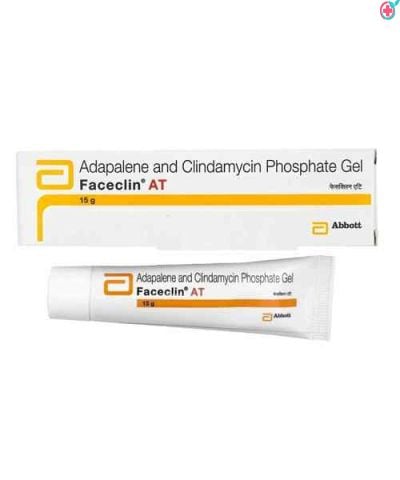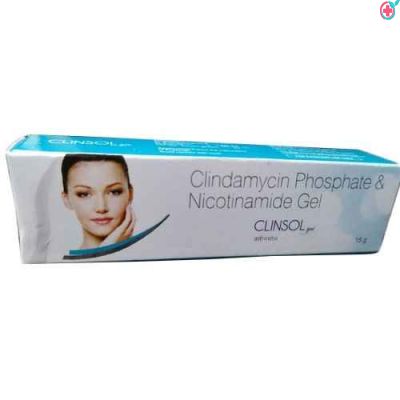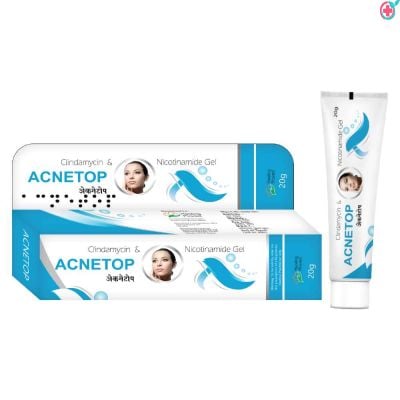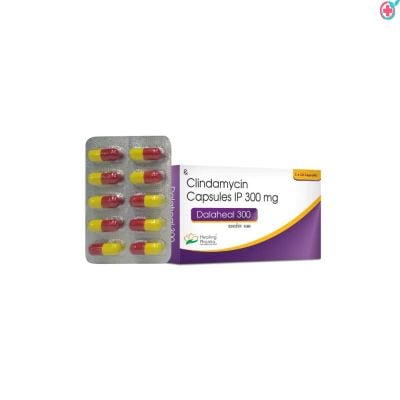
Erytop Gel (Clindamycin) Used for Bacterial Acne and Skin Infection Relief
Erytop Gel contains Clindamycin, a topical antibiotic used to treat acne and bacterial skin infections. It helps reduce acne-causing bacteria, controls inflammation, and prevents the formation of new pimples for clearer skin.


Product Overview
Erytop Gel (Clindamycin) is a topical antibiotic treatment formulated to combat acne vulgaris and baterial infections. It contains Clindamycin, a lincosamide antibiotic that works by inhibiting the growth of acne-causing bacteria and reducing inflammation. Erytop Gel is highly effective for inflammatory acne lesions, such as papules and pustules. By penetrating deep into the skin's pores, it targets the source of infection and helps clear existing breakouts while preventing the formation of new ones. Its aqueous gel base is designed to be lightweight and non-greasy, making it suitable for patients with oily or acne-prone skin.
Product Composition
- Active Ingredient: Clindamycin Phosphate (equivalent to 1% w/w Clindamycin)
- Excipients: Allantoin, carbomer, propylene glycol, methylparaben, and purified water
- Formulation: Topical aqueous gel for localized dermal application
- Action Category: Lincosamide antibiotic
Product Specifications
| Feature | Description |
| Therapeutic Class | Topical Antibacterial |
| Route of Administration | Topical (External) |
| Primary Metabolism | Minimal systemic absorption |
| Target Organism | Cutibacterium acnes |
| Texture | Clear, odorless, non-greasy gel |
Mechanism of Action
- Bacterial Protein Synthesis Inhibition: Binds to the 50S ribosomal subunit of susceptible bacteria, effectively blocking the assembly of essential proteins required for bacterial growth.
- Bacteriostatic Action: Primarily works by stopping the multiplication of Cutibacterium acnes, the primary bacteria associated with acne development.
- Reduction of Free Fatty Acids: Decreases the concentration of free fatty acids on the skin surface, which helps reduce the irritation and clogging of pores.
- Anti-inflammatory Properties: Minimizes the redness and swelling of acne lesions by suppressing the bacterial-induced inflammatory response within the follicle.
Key Benefits
- Targeted Acne Clearance: Specifically treats inflammatory acne by eradicating the bacteria trapped within the pores.
- Reduced Inflammation: Quickly calms the redness and tenderness associated with active breakouts.
- Non-Comedogenic Formula: The water-based gel formulation does not clog pores, ensuring it does not contribute to new acne formation.
- Improved Skin Clarity: Regular use leads to a visible reduction in the number of acne lesions and promotes a smoother skin surface.
Precautions
General Precautions
| Aspect | Precaution |
|---|---|
| External Use Only | Apply only on affected skin; do not ingest or apply inside eyes or mouth |
| Sensitive Skin | Perform a patch test before first use to avoid irritation |
| Open Wounds | Do not apply on broken, severely irritated, or infected wounds unless advised by a doctor |
| Sun Exposure | Use sunscreen as skin may become slightly more sensitive to sunlight |
| Overuse | Avoid excessive application as it may cause dryness or irritation |
Key Safety Guidelines
- Use exactly as prescribed by a dermatologist
- Wash hands before and after application
- Avoid using with other strong acne treatments unless recommended
- Do not cover treated area with airtight dressings unless instructed
- Store in a cool, dry place away from direct sunlight
- Keep out of reach of children
Important Note
- Discontinue use if severe redness, burning, or allergic reaction occurs
- Consult a doctor if acne does not improve after regular use
- Use consistently for best results but avoid over-application to prevent skin dryness
Usage
Usage Guidelines
| Step | Instruction |
| Cleansing | Wash the affected area with a mild, non-medicated cleanser and pat skin dry. |
| Application | Apply a thin film of the gel to the entire area affected by acne, not just individual spots. |
| Quantity | Use a small amount to cover the area lightly; a pea-sized drop is often enough for the face. |
| Frequency | Apply once or twice daily as directed, usually in the morning and before bedtime. |
| Hygiene | Wash hands thoroughly before and after each application to prevent the spread of bacteria. |
Dosage & Administration
For topical use only. The gel should be applied consistently to maintain its antibacterial effect. Ensure the skin is completely dry before application (waiting 15 to 30 minutes after washing can help reduce potential irritation). Avoid contact with eyes, mouth, and mucous membranes. If excessive dryness or peeling occurs, the frequency of application may need to be adjusted. Consistent daily use for several weeks is often required to see the full therapeutic benefit.
Uses
Acne Vulgaris Treatment: Specifically indicated for the topical treatment of common acne, helping to clear inflammatory papules and pustules.
Bacterial Control: Effectively reduces the population of Cutibacterium acnes on the skin surface and within the sebaceous follicles.
Inflammatory Lesion Reduction: Minimizes the severity of red, swollen acne spots and prevents them from progressing into more severe cysts.
Secondary Infection Prevention: Helps protect open or compromised acne lesions from further bacterial contamination.
Side effects
Common Side Effects
- Skin dryness at the application site
- Mild redness or irritation
- Burning or stinging sensation
- Itching or slight peeling of skin
Less Common Side Effects
- Increased skin sensitivity
- Temporary worsening of acne during initial use
- Oily or dry skin imbalance
- Mild skin peeling or flakiness
Rare Side Effects
| Rare Side Effect | Description |
|---|---|
| Severe Skin Irritation | Intense redness, burning, or discomfort requiring discontinuation |
| Allergic Reaction | Rash, swelling, or itching beyond normal tolerance |
| Contact Dermatitis | Inflammation of skin due to hypersensitivity |
| Skin Peeling Excessively | Severe peeling leading to discomfort or raw skin |
| Antibiotic Resistance Issues | Reduced effectiveness if overused or misused over time |
Safety Note
- Stop use if severe irritation or allergic reaction occurs
- Consult a dermatologist if side effects persist or worsen
- Use strictly as prescribed to avoid resistance and skin complications
FAQs
Q: What is Erytop Gel used for?
A: Erytop Gel is used for the treatment of acne vulgaris and bacterial skin infections. It contains Clindamycin, a topical antibiotic that targets and eliminates acne-causing bacteria, reduces inflammation, and helps clear pimples, pustules, and blemishes for smoother and clearer skin.
Q: What is the active ingredient in Erytop Gel?
A: The active ingredient in Erytop Gel is Clindamycin, a topical antibiotic belonging to the lincosamide class. It works directly on the skin surface to fight acne-causing bacteria and reduce skin inflammation effectively.
Q: How does Erytop Gel work?
A: Erytop Gel works by inhibiting bacterial protein synthesis, which stops the growth and spread of Propionibacterium acnes, the bacteria responsible for acne. It also reduces inflammation and redness associated with acne breakouts for visibly clearer skin.
Q: How should I apply Erytop Gel?
A: Wash and dry the affected area thoroughly before application. Apply a thin layer of Erytop Gel to the affected skin once or twice daily as directed by your dermatologist. Avoid applying near the eyes, mouth, and mucous membranes. Always wash hands before and after application.
Q: How long does it take for Erytop Gel to show results?
A: Most users begin to notice a reduction in acne and inflammation within 4 to 6 weeks of regular use. For best results, continue using the gel for the full duration as prescribed by your dermatologist even if improvement is seen earlier.
Q: Can Erytop Gel be used for all types of acne?
A: Erytop Gel is most effective for mild to moderate acne vulgaris including pimples, pustules, and inflammatory acne lesions. For severe or cystic acne, consult a dermatologist for a more comprehensive treatment plan.
Q: Can I use Erytop Gel with other acne treatments?
A: Erytop Gel can be used alongside other acne treatments such as benzoyl peroxide or retinoids as advised by your dermatologist. Avoid combining with other antibiotic-based topical products without medical guidance to prevent antibiotic resistance.
Q: Is Erytop Gel safe for sensitive skin?
A: Erytop Gel is generally well tolerated but individuals with sensitive skin may experience mild dryness, peeling, or irritation. If irritation persists or worsens, discontinue use and consult your dermatologist for an alternative treatment.
Q: Can Erytop Gel cause antibiotic resistance?
A: Prolonged use of topical antibiotics including Clindamycin may contribute to antibiotic resistance. To minimise this risk, use Erytop Gel only for the duration prescribed by your dermatologist and avoid using it longer than recommended without medical advice.
Q: Is Erytop Gel safe during pregnancy and breastfeeding?
A: Pregnant and breastfeeding women should consult their doctor before using Erytop Gel. While topical Clindamycin has minimal systemic absorption, it is always advisable to seek medical guidance before using any topical antibiotic during pregnancy or lactation.
Q: What should I do if I accidentally get Erytop Gel in my eyes?
A: If Erytop Gel comes into contact with your eyes, rinse immediately and thoroughly with clean water. If irritation or discomfort persists, seek medical attention promptly.
Q: Can I apply makeup over Erytop Gel?
A: Yes, you can apply makeup after Erytop Gel has been fully absorbed into the skin. Use non-comedogenic and oil-free makeup products to avoid clogging pores and worsening acne during treatment.
Q: Where should I store Erytop Gel?
A: Store Erytop Gel in a cool and dry place away from direct sunlight and heat. Keep the tube tightly closed after use, keep out of reach of children, and do not use after the expiry date mentioned on the packaging.
Interactions
Skincare Product Interactions
- Avoid using with other topical antibiotics unless prescribed by a dermatologist
- Do not combine with strong exfoliants like AHAs, BHAs, or retinoids without medical advice
- Limit use with benzoyl peroxide unless specifically recommended, as it may increase dryness or irritation
- Avoid harsh alcohol-based skincare products that may worsen skin dryness
Medication Interactions
| Medication / Class | Interaction Effect |
|---|---|
| Other Topical Antibiotics | May increase risk of skin irritation and reduced effectiveness |
| Erythromycin (Topical/Oral) | Possible reduced effectiveness when used together |
| Neuromuscular Blocking Agents | Rare risk of enhanced muscle weakness when absorbed systemically |
| Strong Acne Medications | Increased dryness, peeling, or skin sensitivity |
Important Notes
- Inform your doctor about all acne treatments you are currently using
- Avoid self-mixing multiple acne products without guidance
- If irritation or worsening of acne occurs, discontinue use and consult a dermatologist
- Use as directed to prevent reduced efficacy or resistance development
| Manufacturer | : | A. Menarini India Pvt Ltdine HCL) |
| Trade Name | : | Evoclin |
| Generic Search | : | Clindamycin Phosphate Gel |
| Strength | : | (1% w/w) 20gm |
Certified Content

Dr. Priya Nair
Clinical Pharmacist & Senior Drug Information Specialist | 9 years
Pharm.D. (Doctor of Pharmacy)
Latest Products