Clinsol Gel (Clindamycin and Nicotinamide Gel) Used to Treat Mild to Moderate Acne Vulgaris


Product Overview
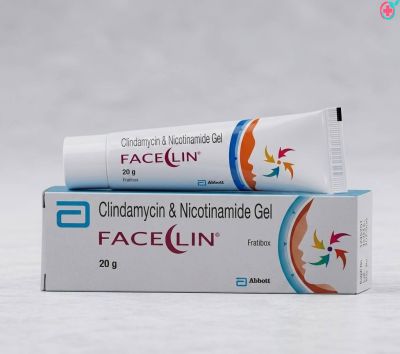
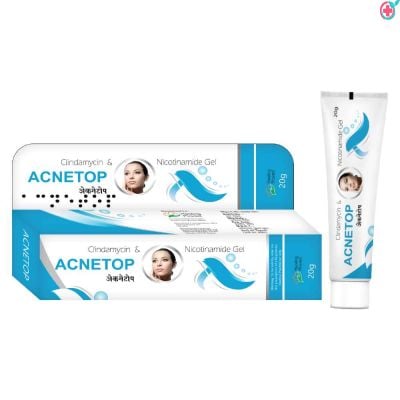
Clinsol Gel is a combination of Clindamycin and Nicotinamide used to treat acne. It works by stopping the growth of bacteria and reducing inflammation. Clinsol Gel is a dual-action, dermatological formulation designed to combat acne by attacking the bacteria responsible for breakouts while simultaneously calming the resulting skin inflammation. By combining Clindamycin (an antibiotic) and Nicotinamide (a form of Vitamin B3), this gel offers a comprehensive approach to clearing active lesions and preventing new ones from forming.
This medication is particularly effective for inflammatory acne, where bacteria and redness are the primary concerns. Clindamycin works by stopping the growth of acne-causing bacteria, while Nicotinamide acts as a powerful anti-inflammatory agent, helping to soothe the skin, reduce redness, and improve the overall skin barrier health.
Product Composition
- Active Ingredients:
- Clindamycin (1%): A potent antibiotic that kills the Cutibacterium acnes bacteria, which proliferate in clogged pores.
- Nicotinamide (4%): A form of Vitamin B3 that reduces inflammation, regulates sebum production, and helps repair the skin barrier.
- Formulation: A lightweight, non-greasy gel base that is easy to apply and absorbs quickly into the skin.
- Action Category: Anti-acne agent / Antibiotic / Anti-inflammatory.
Product Specifications
| Feature | Description |
| Therapeutic Class | Dermatological / Anti-acne |
| Route of Administration | Topical |
| Primary Indication | Inflammatory acne (papules, pustules) |
| Mechanism | Antibacterial inhibition + Anti-inflammatory action |
| Storage | Store at room temperature; keep away from direct heat |
Mechanism of Action
- Bacterial Inhibition: Clindamycin penetrates the follicle and interferes with the bacteria’s ability to produce essential proteins. By starving the bacteria, it stops them from multiplying and reduces the infection.
- Anti-Inflammatory Response: Nicotinamide reduces the production of inflammatory cytokines in the skin. This significantly lowers redness, swelling, and tenderness associated with painful pimples.
- Sebum Regulation: Nicotinamide also assists in balancing oil production, creating a less hospitable environment for acne-causing bacteria to thrive in the future.
Key Benefits
- Rapid Symptom Relief: The combination quickly addresses redness, swelling, and tenderness, making painful lesions look and feel better faster.
- Targets Infection: Directly attacks the bacteria, which is essential for stopping the cycle of persistent breakouts.
- Skin Barrier Support: Unlike some acne treatments that leave the skin dry and irritated, the inclusion of Nicotinamide helps support a healthy skin barrier.
- Non-Greasy: The gel texture is specifically formulated to be suitable for oily and acne-prone skin types without adding extra weight or shine.
Precautions
Medical supervision
- Use under medical guidance, especially for moderate to severe acne
- Do not use for prolonged periods without doctor’s advice to avoid antibiotic resistance
- Not intended for non-acne skin conditions
Skin conditions
| Condition | Precaution |
|---|---|
| Sensitive skin | May cause irritation, perform patch test before use |
| Broken or inflamed skin | Avoid application on cuts or severe irritation |
| Allergic history | Avoid if allergic to clindamycin, nicotinamide, or related compounds |
| Severe acne | Use as part of combination therapy if prescribed |
Application safety
- Apply a thin layer only on affected areas
- Avoid contact with eyes, lips, and mucous membranes
- Wash hands after application
Usage precautions
- Do not overapply as it may increase irritation without improving results
- Avoid combining with other strong acne treatments unless advised
- Discontinue use if severe redness, burning, or irritation occurs
Antibiotic-related caution
- Prolonged or improper use may lead to reduced effectiveness
- Complete prescribed duration even if acne improves early
Lifestyle and skincare
- Use a gentle cleanser and non-comedogenic moisturizer
- Avoid picking or squeezing pimples to prevent scarring
- Use sunscreen during the day to protect sensitive skin
Monitoring advice
- Mild dryness or irritation may occur initially
- Seek medical advice if acne worsens or does not improve
- Stop use if signs of allergic reaction develop
Usage
Application Guidelines
Because this gel contains an antibiotic, correct application is essential for maximizing effectiveness and minimizing the risk of bacterial resistance.
| Aspect | Instruction |
| Frequency | Once or twice daily, or as directed by your physician |
| Method | Apply a thin film to the clean, dry affected area |
| Duration | Follow your doctor’s specific timeline strictly |
| Routine | Apply after cleansing; allow to dry before applying other products |
Administration & Best Practices
Cleanse First: Always wash the affected area with a gentle cleanser and pat the skin completely dry before application to ensure optimal absorption.
Targeted Application: Use Clinsol Gel as a spot treatment on active breakouts or inflamed areas. Avoid applying it to non-affected healthy skin to prevent excessive drying or irritation.
Wash Hands: Always wash your hands thoroughly after applying the gel to avoid transferring the antibiotic to your eyes, nose, or mouth.
Avoid Combining Actives: Do not use other potent topical acne treatments (such as benzoyl peroxide or strong retinoids) at the same time as Clinsol unless your doctor specifically recommends it, as this can increase the risk of skin irritation.
Patience: While it works to reduce inflammation quickly, it may take several weeks to see the full therapeutic benefit. Do not discontinue use early, as this can lead to the bacteria developing resistance to the antibiotic.
Uses
Inflammatory Acne: Primary indication for treating papules, pustules, and other red, swollen, or tender acne lesions.
Bacterial Suppression: Effectively inhibits the growth of Cutibacterium acnes, the bacteria that thrives within blocked pores and fuels inflammatory outbreaks.
Redness and Swelling Reduction: The Nicotinamide component acts as a potent anti-inflammatory, helping to soothe the painful, angry appearance of active pimples.
Skin Barrier Maintenance: Provides therapeutic relief for acne while supporting the skin's natural barrier, helping to prevent the severe dryness often associated with other acne treatments.
Side effects
Common side effects
- Mild redness or irritation at the application site
- Dryness or peeling of the skin
- Burning or stinging sensation
- Itching or mild discomfort
- Temporary increase in skin sensitivity
Serious side effects
| Area | Possible Effects |
|---|---|
| Skin | Severe irritation, rash, or allergic dermatitis |
| Gut (rare, with topical absorption) | Diarrhea or abdominal discomfort (very rare) |
| Infection control | Reduced response or resistant acne bacteria with overuse |
| Skin barrier | Excessive dryness or peeling |
| Allergy | Swelling, hives, or hypersensitivity reaction |
Warning signs requiring medical attention
- Severe or persistent redness and burning
- Skin rash or swelling that worsens
- Diarrhea or stomach discomfort after use (rare)
- No improvement or worsening acne after continued use
- Signs of allergic reaction such as hives or difficulty breathing
FAQs
Q: How does Clinsol Gel work?
A: It is a combination of Clindamycin and Nicotinamide used to treat acne. It works by stopping the growth of bacteria and reducing inflammation.
Q: Can I use this for all types of acne?
A: It is primarily indicated for inflammatory acne, such as red, swollen papules and pus-filled pustules. It is less effective for non-inflammatory acne like blackheads or whiteheads.
Q: How long does it take to see results?
A: You may notice a reduction in redness and swelling within a few days. However, it often takes several weeks of consistent use to see a significant improvement in overall acne clearance.
Q: Should I use this over my entire face?
A: No. Apply a thin layer only to the affected areas where acne is present. Avoid applying it to healthy skin to minimize unnecessary dryness or irritation.
Q: Can I use this with other anti-acne products?
A: Consult your doctor first. Using multiple harsh acne treatments at the same time can lead to excessive dryness, peeling, and irritation.
Q: Is it safe for long-term use?
A: No. Since it contains an antibiotic (Clindamycin), it should be used only for the duration recommended by your dermatologist. Long-term use can lead to antibiotic resistance, making the medication less effective over time.
Interactions
Skincare product interactions
- Retinoids may increase dryness, redness, and peeling when used together
- Benzoyl peroxide can reduce clindamycin effectiveness if applied at the same time
- AHA/BHA exfoliants may increase skin sensitivity and irritation
- Other topical antibiotics may increase risk of bacterial resistance
- Alcohol-based toners can worsen dryness and irritation
Medicine and topical treatment interactions
| Product Type | Interaction Effect |
|---|---|
| Benzoyl peroxide | May reduce clindamycin effectiveness if not spaced properly |
| Retinoids | Increased irritation and peeling |
| AHA/BHA exfoliants | Higher risk of dryness and sensitivity |
| Other antibiotics | Increased risk of antibiotic resistance |
| Alcohol-based products | Excess dryness and irritation |
Cosmetic interactions
- Heavy or occlusive makeup may clog pores and reduce treatment effectiveness
- Fragranced skincare products may trigger irritation
- Frequent scrubbing can worsen acne and skin inflammation
Usage advice
- Apply Clinsol Gel on clean, dry skin as directed
- If using benzoyl peroxide, apply at different times (morning/evening)
- Maintain a gap between active skincare products
- Discontinue use if irritation increases when combined with other treatments
| Manufacturer | : | Leeford Pharma, India |
| Trade Name | : | Acnecross |
| Generic Search | : | clindamycin and nicotinamide |
| Strength | : | 15gm |
Certified Content

Dr. Priya Nair
Clinical Pharmacist & Senior Drug Information Specialist | 9 years
Pharm.D. (Doctor of Pharmacy)
Latest Products