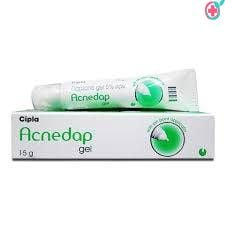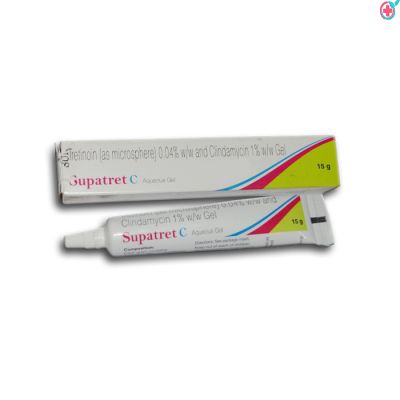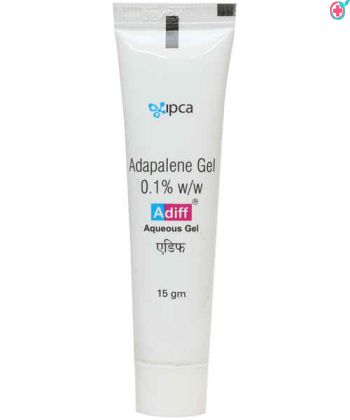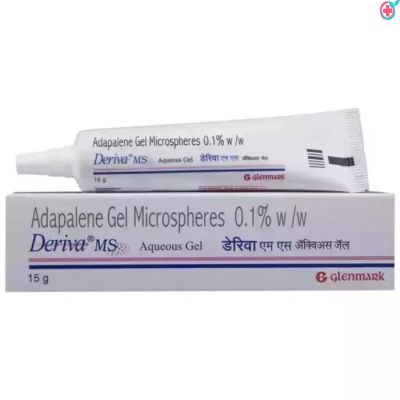
Acnetor AD Gel (Adapalene + Clindamycin) | Used for Acne Vulgaris and Bacterial Skin Infections
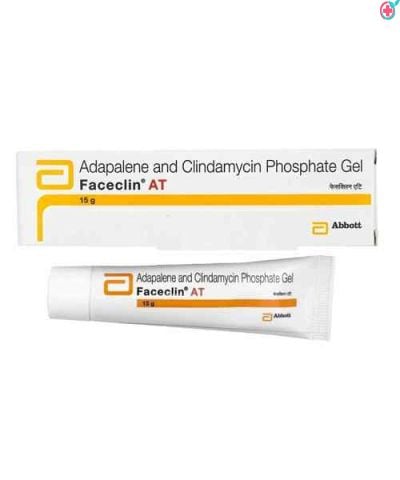
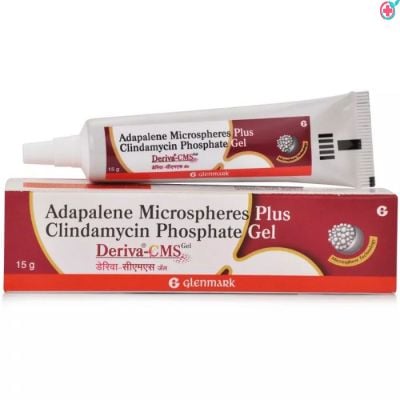
Acnetor AD Gel is a combination medicines containing Adapalene and Clindamycin, primarily used to treat acne vulgaris. These medicines belong to a class of medicines called retinoid and lincosamide (an antibacterial) independently. This medicament works by dwindling the formation of blackheads and helps to renew skin briskly. It likewise kills the microorganism answerable for causing skin break out.


Product Overview
Acnetor AD Gel is a combination of two medicines, Adapalene and Clindamycin, used primarily to treat acne vulgaris. This medicament works by reducing the formation of blackheads and helps to renew skin rapidly. Designed for topical application, this potent formulation addresses both the inflammatory and non-inflammatory lesions associated with acne. By effectively combining the comedolytic properties of a retinoid with the antibacterial power of an antibiotic, this gel provides a comprehensive approach to clearing blemishes and preventing new breakouts while promoting healthier skin renewal.
Product Composition
- Adapalene 0.1 percent w/w
- Clindamycin Phosphate equivalent to Clindamycin 1.0 percent w/w
- Gel base q.s.
Product Specification
| Feature | Details |
| Brand Name | Acnetor AD Gel |
| Therapeutic Category | Anti-acne preparation |
| Form | Topical Gel |
| Primary Indication | Acne Vulgaris |
| Storage Requirements | Store in a cool, dry place away from freezing |
Mechanism of Action
- Adapalene acts as a naphthoic acid derivative with retinoid activity, binding to specific retinoic acid nuclear receptors to modulate cell differentiation and keratinization, which prevents the clogging of pores.
- Clindamycin phosphate functions as a lincosamide antibiotic that binds to the 50S subunit of the bacterial ribosome, effectively inhibiting protein synthesis and reducing the population of Cutibacterium acnes in the follicles.
- The combination reduces inflammation by decreasing the migration of polymorphonuclear leukocytes and monocytes to the site of the acne lesion.
Key Benefits
- Effectively targets and reduces both blackheads and whiteheads
- Provides rapid antibacterial action to control acne-causing bacteria
- Minimizes inflammation and redness associated with active acne lesions
- Accelerates the skin renewal process to clear existing breakouts faster
- Prevents the development of new comedones when used as part of a regular skincare regimen
Precautions
Use Only as Prescribed
- Acnetor AD Gel should be used strictly under dermatologist guidance
- Do not exceed recommended duration or frequency
External Use Only
- Apply only on affected skin areas
- Avoid contact with eyes, lips, and inside nose
Sun Exposure Care
- Skin may become more sensitive to sunlight
- Use sunscreen and avoid excessive sun exposure
Avoid Harsh Skin Products
- Do not combine with alcohol based toners, scrubs, or strong exfoliants
- This can increase irritation and dryness
Skin Irritation Monitoring
- Mild redness or dryness may occur initially
- Discontinue and consult doctor if severe irritation develops
Pregnancy and Breastfeeding
- Use only if clearly prescribed by a doctor
- Safety should be evaluated by healthcare professional
| Precaution Area | Guidance |
|---|---|
| Usage | Use only as directed by dermatologist |
| Application | Apply thin layer on affected area only |
| Sun Exposure | Use sunscreen and avoid prolonged exposure |
| Skin Care Products | Avoid harsh or exfoliating products |
| Sensitive Areas | Keep away from eyes, lips, and mucous membranes |
| Special Conditions | Consult doctor during pregnancy or breastfeeding |
Usage
Dosage
Apply a thin, even film of the gel once daily to the skin areas where acne is present
Utilize the medication exclusively in the evening to optimize effectiveness
Limit the application to a pea-sized amount to cover the necessary affected zones
Consult a professional to establish the exact duration of the treatment course
Administration
Clean the skin using a mild cleanser and remove all dirt or makeup before applying
Ensure the surface is completely dry before usage to mitigate potential stinging
Spread the gel gently over the skin until it is no longer visible
Avoid application on areas that are cracked, eczematous, or suffering from sunburn
Wash your hands carefully after the application process is complete
Treatment Application Table
| Procedure | Guideline |
| Frequency | Once daily |
| Timing | Nighttime |
| Protection | Wear SPF daily |
| Hygiene | Cleanse before use |
Uses
Management of acne vulgaris characterized by comedones, papules, and pustules
Reduction of bacterial proliferation within the hair follicles
Mitigation of inflammatory processes associated with active breakouts
Prevention of new lesion formation by normalizing follicular keratinization
Improvement of overall skin texture through rapid cellular turnover
Side Effects
Common Skin Reactions
- Redness, dryness, or mild irritation at the application site
- Peeling or flaking of skin, especially in initial days of use
- Burning or stinging sensation after application
Increased Skin Sensitivity
- Skin may become more sensitive to sunlight
- Higher risk of sunburn without proper sun protection
Acne Flare Up (Initial Phase)
- Temporary increase in acne or purging may occur at the start of treatment
- Usually improves with continued use
Allergic Reactions (Rare)
- Itching, rash, swelling, or severe irritation
- Discontinue use and consult a doctor if severe symptoms occur
Dryness and Tightness
- Skin may feel dry or stretched
- Moisturizer may be needed as advised by doctor
| Side Effect Type | Details |
|---|---|
| Irritation | Redness, burning, mild itching |
| Dryness | Flaking, skin tightness |
| Sun Sensitivity | Increased risk of sunburn |
| Acne Purging | Temporary worsening of acne |
| Allergy | Rash or swelling in rare cases |
FAQs
Q: What is Acnetor AD Gel used for?
A: Acnetor AD Gel is used primarily for the treatment of acne vulgaris. It helps clear existing breakouts, prevents the formation of new blackheads, and reduces inflammation associated with acne lesions.
Q: How often should I apply this gel?
A: This product is typically applied once daily, usually in the evening, to the affected areas of the skin. Follow the specific instructions provided by your healthcare professional regarding frequency and duration of use.
Q: Can I use this gel on my entire face?
A: It is generally recommended to apply a thin layer to the affected areas where acne is present, rather than using it as a general moisturizer for the whole face. Consult your dermatologist for guidance tailored to your specific skin needs.
Q: Should I expect any skin reactions when starting this treatment?
A: Some individuals may experience mild skin irritation, such as redness, dryness, scaling, or a slight burning sensation, especially during the first few weeks of treatment as the skin adapts to the retinoid component.
Q: How long does it take to see improvements in my acne?
A: While some users may notice initial changes within a few weeks, it often takes several weeks or months of consistent use to achieve the full therapeutic benefit of the treatment.
Q: Is sun protection necessary while using this product?
A: Yes, it is highly recommended to use a broad-spectrum sunscreen during the day, as the active ingredients can increase your skin's sensitivity to sunlight and ultraviolet radiation.
Interactions
Topical Acne and Skin Products
- Avoid using other acne treatments like benzoyl peroxide, salicylic acid, or retinoids unless prescribed
- Combining multiple acne gels may increase dryness, redness, and irritation
Exfoliating and Harsh Skincare Agents
- Do not use scrubs, chemical exfoliants, or alcohol-based toners with Acnetor AD Gel
- These may worsen skin peeling and sensitivity
Other Antibiotics or Antimicrobials
- Concurrent use with other topical antibiotics may increase skin sensitivity
- Use only combination therapy recommended by a dermatologist
Cosmetic and Dermatology Procedures
- Avoid waxing, chemical peels, laser treatments, or dermabrasion during use
- Skin may become more sensitive and prone to damage
Sun Exposure and Photosensitizing Agents
- Adapalene increases skin sensitivity to sunlight
- Use sunscreen regularly and avoid excessive sun exposure
| Interaction Type | Recommendation |
|---|---|
| Other Acne Products | Avoid combining unless prescribed |
| Exfoliants | Do not use scrubs or chemical peels |
| Topical Antibiotics | Use only if recommended by doctor |
| Cosmetic Procedures | Avoid waxing, lasers, and peels |
| Sun Exposure | Use sunscreen and limit UV exposure |
| Manufacturer | : | Torrent Pharma, India |
| Trade Name | : | Clindap-T |
| Generic Search | : | Adapalene + Clindamycin |
| Strength | : | 0.1% w/w + 1% w/w (15gm) |
Certified Content

Dr. Priya Nair
Clinical Pharmacist & Senior Drug Information Specialist | 9 years
Pharm.D. (Doctor of Pharmacy)
Latest Products