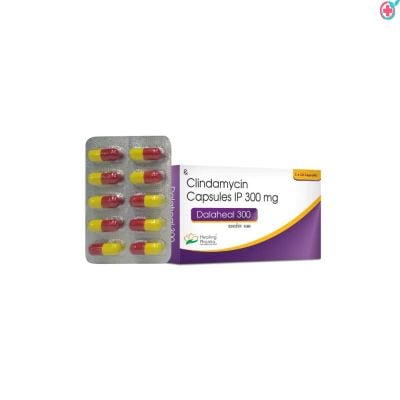
Dalacin C Capsule (Antibiotic Clindamycin HCL) | Used to Treat Bacterial Infections on Skin, Respiratory, and Vaginal
Dalacin C Capsule contains Clindamycin Hydrochloride, an antibiotic used to treat bacterial infections of the skin, respiratory tract, bones, joints, and vaginal area. It works by stopping bacterial growth, helping to clear infections and promote faster recovery.


Product Overview
Dalacin C is a high-potency antibiotic used to treat serious bacterial infections of the respiratory tract, skin, soft tissue, bones, and pelvis. Containing Clindamycin Hydrochloride, it belongs to the lincosamide class of antibiotics. It is particularly effective against anaerobic bacteria and susceptible strains of Gram-positive aerobic bacteria. Dalacin C is often prescribed when patients are allergic to penicillin or when infections are caused by bacteria resistant to other common antibiotics. Its ability to penetrate deep into tissues, including bone, makes it a vital tool in treating complex infections.
Product Composition
The therapeutic strength of this capsule is derived from its active antimicrobial agent:
- Clindamycin Hydrochloride: A semi-synthetic derivative of lincomycin that inhibits bacterial protein synthesis to stop the growth and spread of infection.
Product Specification
| Feature | Details |
| Therapeutic Class | Lincosamide Antibiotic |
| Active Ingredient | Clindamycin Hydrochloride |
| Dosage Form | Oral Capsule |
| Primary Indication | Serious Bacterial Infections |
| Common Strengths | 150 mg, 300 mg |
Mechanism of Action
Dalacin C works by targeting the internal machinery of the bacterial cell to halt its reproduction:
- Inhibition of Protein Synthesis: It binds to the 50S subunit of the bacterial ribosome. This action prevents the assembly of essential proteins that bacteria need to survive and multiply.
- Bacteriostatic Activity: By stopping the growth of the bacteria, it allows the body’s natural immune system to effectively target and eliminate the remaining pathogens.
- Tissue Penetration: The medication is highly lipophilic, meaning it easily passes into various body tissues and fluids, reaching therapeutic levels in the bones, joints, and respiratory tract.
- Toxin Suppression: In certain infections (like those caused by Staphylococci or Streptococci), it can reduce the production of bacterial toxins that cause tissue damage and severe illness.
Key Benefits
- Broad Tissue Distribution: Reaches high concentrations in difficult-to-treat areas like the skin, soft tissues, and bone.
- Penicillin Alternative: Provides a safe and effective treatment option for patients with severe allergies to penicillin or cephalosporins.
- Effective Against Resistant Strains: Highly active against many "methicillin-resistant" bacteria and anaerobic organisms that are often difficult to treat.
- Rapid Absorption: The capsule is quickly absorbed from the gastrointestinal tract, reaching peak levels in the blood shortly after ingestion.
- Versatile Clinical Use: Successfully treats a wide range of conditions, from dental and skin infections to serious respiratory and pelvic inflammatory diseases.
Precautions
Dalacin C Capsule (Clindamycin HCl) should be used carefully under medical supervision to ensure safe and effective treatment of bacterial infections.
Medical Conditions to Inform Your Doctor
| Condition | Why It Matters |
|---|---|
| History of antibiotic-associated diarrhea | Clindamycin may increase risk of severe diarrhea (C. difficile infection) |
| Liver disease | May require dose adjustment and monitoring |
| Kidney disease | Drug clearance may be affected in severe cases |
| Gastrointestinal disorders | Higher risk of irritation or complications |
| Allergies to clindamycin or lincomycin | Risk of severe hypersensitivity reaction |
Use and Dosing Precautions
- Take exactly as prescribed by your doctor
- Complete the full course even if symptoms improve early
- Do not skip doses to avoid antibiotic resistance
- Take with a full glass of water
Gut and Infection Risks
- May cause diarrhea, which can sometimes be severe or persistent
- Report watery or bloody stools immediately to a doctor
- Avoid self-medicating for diarrhea without medical advice
Pregnancy and Breastfeeding
- Use only if clearly prescribed by a doctor
- Generally considered when benefits outweigh risks
General Advice
- Inform your doctor about all medicines you are taking
- Avoid alcohol if it worsens stomach upset
- Store in a cool, dry place away from moisture and heat
- Do not share antibiotics with others or reuse leftover capsules
Usage
Dalacin C must be taken exactly as prescribed to ensure the infection is completely cleared. It is critical to maintain a consistent level of the medication in your system.
Dosage & Administration
The dosage and duration of treatment depend on the severity of the infection and the patient's overall health.
| Aspect | Recommendation |
| Standard Frequency | Usually taken 3 to 4 times daily at equal intervals |
| Hydration | Take each dose with a full glass of water (240ml) |
| Positioning | Stay upright for at least 30 minutes after swallowing to avoid esophageal irritation |
| Consistency | Complete the full course even if you feel better after a few days |
Administration Protocol
Esophageal Safety: To prevent irritation or ulcers in the throat, do not take the capsule while lying down.
Food Interaction: The absorption of Clindamycin is not significantly affected by food, so it may be taken with or without meals.
Missed Dose: Take the missed dose as soon as you remember. If it is nearly time for the next dose, skip it and resume your regular schedule. Do not double the dose.
Lab Tests: If used for a prolonged period, your doctor may require regular blood tests to monitor kidney and liver function.
Uses
Dalacin C is a versatile antibiotic used to target specific bacterial pathogens in various parts of the body.
Lower Respiratory Tract Infections: Effective in treating pneumonia, empyema, and lung abscesses caused by susceptible bacteria.
Skin and Soft Tissue Infections: Used for serious cases of cellulitis, abscesses, and infected wounds.
Bone and Joint Infections: A primary choice for treating osteomyelitis (bone infection) due to its excellent ability to penetrate bone tissue.
Dental Infections: Often prescribed for severe dental abscesses or when infections involve the jawbone, especially in patients allergic to penicillin.
Gynecological Infections: Used in the treatment of pelvic inflammatory disease (PID) and infections of the female reproductive tract, often in combination with other medications.
Intra-abdominal Infections: Effective against anaerobic bacteria involved in peritonitis or abdominal abscesses.
Septicemia: Used to treat systemic "blood poisoning" caused by staphylococci or streptococci.
FAQs
1. What is Dalacin C used for?
It treats bacterial infections of the skin, respiratory tract, bones, and reproductive organs.
2. Can I take Dalacin C on an empty stomach?
Yes, but taking it with food helps reduce stomach upset.
3. How long should I take Dalacin C?
Take it for the full prescribed duration, even if symptoms improve early.
4. What if I miss a dose?
Take it as soon as you remember; skip if it’s almost time for the next dose — don’t double up.
5. Can Dalacin C cause diarrhea?
Yes, mild diarrhea may occur, but if it becomes severe or contains blood, contact your doctor immediately.
6. Is it safe during pregnancy?
It can be used during pregnancy only if prescribed by a doctor after weighing the benefits and risks.
| Manufacturer | : | Pfizer Ltd, India |
| Trade Name | : | Cleocin |
| Generic Search | : | Clindamycin HCl |
| Strength | : | 150 mg, 300mg |
Certified Content

Dr. Priya Nair
Clinical Pharmacist & Senior Drug Information Specialist | 9 years
Pharm.D. (Doctor of Pharmacy)
Latest Products