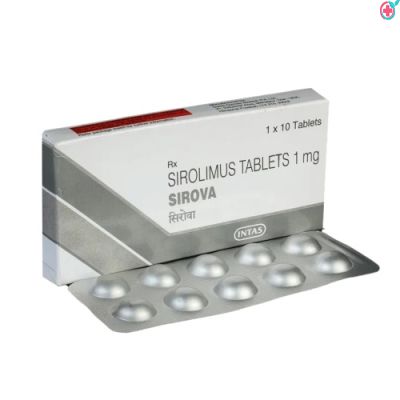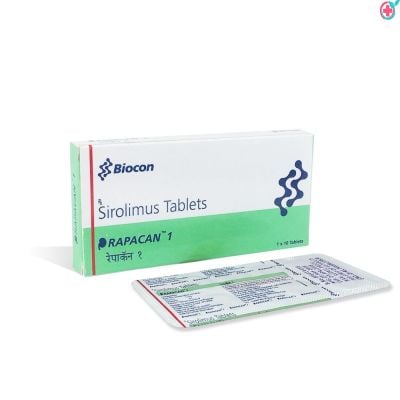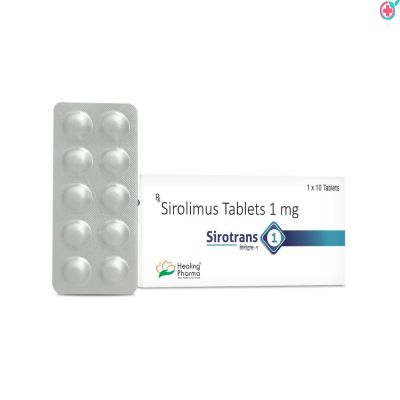
Siromus 1mg Tablet (Sirolimus) Used to Prevent Organ Rejection After Transplant (Liver, Kidney, Heart, Lungs, etc)
Buy Siromus 1mg (sirolimus), Siromus (Sirolimus) is an immunosuppressant used to prevent organ rejection after a kidney transplant. Siromus (Sirolimus) may also be used to treat other conditions as determined by your doctor. Rapamune is another brand name for sirolimus.


Product Overview
Siromus Tablet is used to prevent organ rejection in patients receiving kidney transplants. Siromus contains Sirolimus (also known as Rapamune), a potent immunosuppressant belonging to the class of medications known as mTOR inhibitors. By suppressing the body’s immune response, Siromus ensures that the immune system does not attack the new organ. Additionally, it is used to treat rare lung diseases and has gained significant attention in clinical research for its role in cellular pathways associated with aging and tissue repair.
Product Composition
- Active Ingredient: Sirolimus (1 mg per tablet)
- Drug Class: mTOR (mechanistic Target of Rapamycin) Inhibitor
- Formulation: Oral film-coated tablets
- Excipients: Lactose monohydrate, Microcrystalline cellulose, Magnesium stearate, and Povidone.
Product Specification
| Feature | Details |
| Therapeutic Class | Immunosuppressant / Antineoplastic |
| Primary Indication | Kidney Transplant Rejection Prophylaxis |
| Secondary Indication | Lymphangioleiomyomatosis (LAM) |
| Administration | Oral (Consistent with or without food) |
| Bioavailability | Approximately 14% |
| Half-Life | Approximately 62 hours |
Mechanism of Action
- mTOR Inhibition: Sirolimus binds to the intracellular protein FKBP-12 to form a complex that inhibits the Mechanistic Target of Rapamycin (mTOR) pathway.
- Cell Cycle Arrest: By blocking this pathway, it prevents the activation and proliferation of T-lymphocytes (white blood cells) in response to stimulation by cytokines.
- Immune Suppression: It specifically targets the "signal 3" phase of the T-cell cycle, stopping the progression of immune cells that would otherwise attack a transplanted organ.
- Anti-Proliferative Effects: It also limits the growth of smooth muscle cells and certain tumor cells, which is why it is used in drug-eluting stents and specific rare lung conditions.
Key Benefits
- Organ Survival: Provides high efficacy in preventing the rejection of transplanted kidneys, especially when used in combination with other medications.
- Steroid-Sparing Potential: May allow for the reduction or elimination of steroid use in transplant patients, reducing long-term steroid side effects.
- Non-Nephrotoxic: Unlike some other immunosuppressants, Sirolimus does not typically cause the same level of direct kidney toxicity.
- Treatment of LAM: It is the only FDA-approved treatment to help stabilize lung function in patients with Lymphangioleiomyomatosis.
- Targeted Action: Its specific inhibition of the mTOR pathway makes it a precise tool for managing immune and proliferative disorders.
- Long-Lasting Effect: Due to its long half-life, it provides stable blood levels, which is crucial for preventing organ rejection.
Precautions
Important precautions for Siromus 1 mg Tablet (Sirolimus)
Infection risk precautions
- May weaken the immune system and increase risk of infections
- Avoid contact with people having active infections
- Report fever, sore throat, or persistent cough immediately
- Practice good hygiene and avoid exposure to contagious diseases
Blood and laboratory monitoring precautions
- Regular blood tests are required to monitor drug levels
- May affect cholesterol and triglyceride levels
- Kidney and liver function should be monitored regularly
- Blood counts should be checked during long-term therapy
Wound healing precautions
- May slow down wound healing after surgery
- Inform doctor before any surgical or dental procedure
- Avoid unnecessary injuries or cuts during treatment
- Special care needed in post-transplant recovery period
Cancer and long-term use precautions
- May increase risk of certain cancers such as skin cancer
- Regular skin checks are recommended
- Sun protection should be used to reduce risk
- Long-term therapy requires continuous medical supervision
General usage precautions
- Take exactly as prescribed without missing doses
- Do not stop or change dose without medical advice
- Avoid self-medication or combining with unauthorized drugs
- Maintain regular follow-up appointments
Safety overview table
| Area of caution | Precaution guidance |
|---|---|
| Infection risk | Increased susceptibility, avoid exposure |
| Blood monitoring | Regular labs for drug levels and lipids |
| Wound healing | Delayed healing, avoid surgery without guidance |
| Cancer risk | Regular skin and long-term health monitoring |
Usage
Dosage
Dosage must be strictly managed by a transplant specialist or a pulmonologist. The amount prescribed is based on blood concentration levels and the specific condition being treated.
| Indication | Typical Loading Dose | Maintenance Dose |
| Kidney Transplant | 6 mg (once) | 2 mg once daily |
| LAM (Lung Disease) | Not applicable | 2 mg once daily |
| Pediatric Use | Based on body surface area | Individually adjusted |
Administration
Consistency: Take your dose at the same time every day. You must be consistent—always take it with food or always take it on an empty stomach.
Whole Tablet: Swallow the tablet whole with water. Do not crush, chew, or split the tablet, as this alters how the drug is absorbed.
Avoid Grapefruit: Do not eat grapefruit or drink grapefruit juice. It significantly increases the drug's concentration in your blood to unsafe levels.
Missed Dose: If you miss a dose, take it as soon as you remember. If it is almost time for your next dose, skip the missed one. Do not take two doses at once.
Monitoring: Regular blood tests are mandatory. These tests help your doctor adjust the dosage to keep the drug within a narrow therapeutic range.
Wound Care: This medication can slow the healing process. If you have an upcoming surgery, your doctor may temporarily adjust your dosage.
Uses
Prophylaxis of Organ Rejection: Used in combination with other medicines (like cyclosporine and corticosteroids) to prevent the body from attacking a new kidney.
Lymphangioleiomyomatosis (LAM): Stabilizes lung function and reduces the progression of this rare disease by inhibiting abnormal cell growth.
Immune Suppression: Controls the overactive immune response in patients who have undergone complex tissue or organ transfers.
Anti-Proliferative Therapy: Used to treat conditions where the body produces too many cells, such as certain tumors or smooth muscle growths.
Alternative to Calcineurin Inhibitors: Often used for patients who cannot tolerate other types of transplant medicines due to kidney toxicity.
Vascular Health: Employed in specialized medical coatings for stents to prevent blood vessels from narrowing again after surgery.
Side effects
Common side effects
- Mouth ulcers or sores
- Nausea or vomiting
- Diarrhea
- Headache
Immune system related effects
- Increased risk of infections
- Fever or chills
- Slow recovery from infections
- Sore throat or persistent cough
Metabolic effects
- Increased cholesterol and triglyceride levels
- High blood sugar levels in some patients
- Weight changes
- Loss of appetite
Skin and general effects
- Acne or skin rash
- Swelling in hands or feet
- Fatigue or weakness
- Hair thinning in some cases
Serious side effects (rare)
- Severe infections due to immune suppression
- Lung complications such as breathing difficulty
- Delayed wound healing or surgical complications
- Kidney or liver function changes
Side effects summary table
| System affected | Possible reaction |
|---|---|
| Immune system | Increased infections, fever |
| Gastrointestinal | Nausea, diarrhea, mouth ulcers |
| Metabolic | High cholesterol, blood sugar changes |
| Skin | Rash, acne, hair thinning |
| General | Fatigue, swelling, weakness |
FAQs
Q: What is the product used for?
A: Siromus is an immunosuppressant used to prevent the body from rejecting a kidney transplant. It is also used to treat Lymphangioleiomyomatosis (LAM), a rare lung disease that affects the growth of smooth muscle cells in the lungs.
Q: How should I take Siromus?
A: Take the tablet once daily at the same time each day. You must choose to take it either consistently with food or consistently without food to maintain stable levels in your blood. Swallow the tablet whole; do not crush or chew it.
Q: Can I drink grapefruit juice while taking this?
A: No. You must avoid grapefruit and grapefruit juice entirely. It interferes with how your body breaks down the medication, which can lead to dangerously high levels of Siromus in your system.
Q: How long do I need to take this medication?
A: For transplant patients, this is usually a long-term medication that must be taken for the life of the transplanted organ. For lung conditions, your doctor will determine the duration based on your respiratory health.
Q: What are the common side effects?
A: Common side effects include slow wound healing, swelling in the legs or feet, mouth sores, and increased levels of cholesterol or triglycerides. Because it suppresses the immune system, you may also be more prone to infections.
Q: Is regular blood testing necessary?
A: Yes. Your doctor will require frequent blood tests to monitor the concentration of Sirolimus in your body. This ensures the dose is high enough to prevent rejection but low enough to avoid toxicity.
Q: Does it interact with other medications?
A: Yes, many drugs interact with Siromus, including certain antibiotics, antifungals, and herbal supplements like St. John’s Wort. Always provide your doctor with a full list of everything you are taking.
Interactions
Drug interactions of Siromus 1 mg Tablet (Sirolimus)
Immunosuppressant interactions
- Other immunosuppressive drugs may increase risk of infections and bone marrow suppression
- Combination with calcineurin inhibitors may increase kidney toxicity risk
- Dose adjustments are often required in combination transplant regimens
- Close monitoring is essential during multi-drug therapy
CYP3A4 enzyme interactions
- Strong CYP3A4 inhibitors may increase sirolimus levels and toxicity risk
- CYP3A4 inducers may reduce effectiveness of sirolimus
- Antifungal and antibiotic medicines may alter drug concentration
- Grapefruit juice can significantly increase drug levels
Infection related drug interactions
- Live vaccines should be avoided due to reduced immune response
- Antiviral and antibacterial drugs may be required more frequently
- Immunosuppressive combinations increase infection susceptibility
Metabolic and organ related interactions
- Drugs affecting liver function may change metabolism of sirolimus
- Lipid-lowering drugs may be required due to increased cholesterol levels
- Nephrotoxic drugs may increase kidney risk when combined
General usage considerations
- Alcohol may worsen liver and immune effects
- Always inform doctor about all ongoing medications
- Regular monitoring is required when starting or stopping interacting drugs
Drug interactions table
| Drug class | Interaction effect |
|---|---|
| CYP3A4 inhibitors (e.g., azoles, macrolides) | Increased sirolimus levels and toxicity risk |
| CYP3A4 inducers (e.g., rifampicin, anticonvulsants) | Reduced effectiveness of sirolimus |
| Other immunosuppressants | Higher infection and toxicity risk |
| Calcineurin inhibitors | Increased kidney toxicity risk |
| Live vaccines | Reduced effectiveness and safety risk |
| Manufacturer | : | Zydus Cadila |
| Trade Name | : | Rapamune |
| Generic Search | : | Sirolimus |
| Strength | : | 1 mg |
Certified Content

Dr. Priya Nair
Clinical Pharmacist & Senior Drug Information Specialist | 9 years
Pharm.D. (Doctor of Pharmacy)
Latest Products