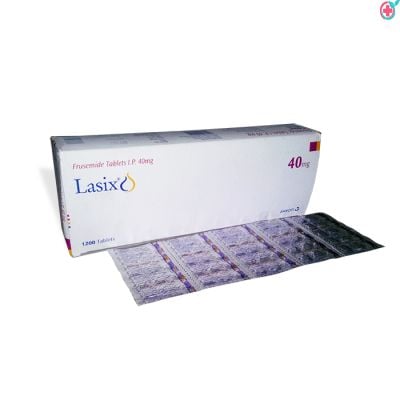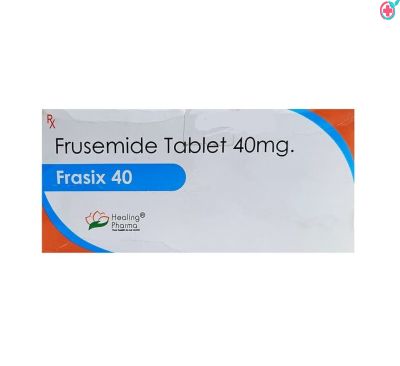
Frusenex Tablet (Furosemide) Used to Treat Fluid Retention (Edema) & Hypertension
Frusenex 100 mg Tablet (Furosemide) is a diuretic (water pill) used to treat fluid retention (edema) associated with conditions such as heart failure, liver disease, and kidney disorders. It is also used to help manage high blood pressure by increasing the elimination of excess salt and water through urine. Frusenex helps reduce swelling, improve breathing caused by fluid buildup, and lower blood pressure.


Product Overview
Frusenex is a furosemide tablet that is used to treat oedema due to heart failure, liver cirrhosis, and kidney disease. It also treats hypertension. Frusenex is a potent loop diuretic, commonly referred to as a "water pill." It works by inhibiting the reabsorption of sodium and chloride in the kidneys, which promotes the excretion of excess water and salt from the body through urine. By reducing the overall fluid volume in the bloodstream, it helps to lower blood pressure and relieve the physical swelling (oedema) associated with fluid retention.
Product Composition
- Active Ingredient: Furosemide.
- Drug Class: Loop Diuretic.
- Formulation: Oral tablets (typically available in 100mg strength).
- Excipients: Lactose monohydrate, starch, talc, and magnesium stearate.
Product Specification
| Feature | Details |
| Therapeutic Class | Diuretic (Antihypertensive/Antioedema) |
| Primary Indication | Oedema (heart, liver, kidney-related) |
| Secondary Indication | Hypertension (high blood pressure) |
| Administration | Oral |
| Storage | Store at room temperature (20°C–25°C); protect from light |
Mechanism of Action
Frusenex 100 mg contains Furosemide, a loop diuretic that works by blocking the reabsorption of sodium, chloride, and water in the thick ascending limb of the loop of Henle in the kidneys. This increases the excretion of excess salt and water through urine, reducing fluid buildup (edema) and lowering blood pressure. By decreasing the volume of fluid in the bloodstream and tissues, Frusenex helps relieve swelling, reduce the workload on the heart, and improve symptoms associated with conditions such as heart failure, liver disease, kidney disorders, and hypertension.
Key Benefits
- Rapid Fluid Removal: Highly effective for quickly mobilizing and removing excess fluid from the body, providing relief from symptoms of heart failure.
- Versatility: Addresses fluid retention caused by various underlying chronic conditions, including hepatic and renal disorders.
- Blood Pressure Management: Acts as a reliable therapy to assist in controlling hypertension by reducing total circulating blood volume.
- Proven Efficacy: Established as a fundamental, first-line medication for the symptomatic treatment of fluid-overloaded states.
- Dose Flexibility: Available in multiple strengths, allowing physicians to carefully titrate the dose to the patient's individual fluid balance needs.
Precautions
Important precautions for Frusenex Tablet (Furosemide)
Fluid and electrolyte precautions
- May cause dehydration if excess fluid is lost
- Regular monitoring of electrolytes (sodium, potassium) is required
- Can lead to low potassium levels (hypokalemia)
- Maintain adequate fluid intake as advised by doctor
Blood pressure precautions
- May cause low blood pressure, especially on standing
- Rise slowly from sitting or lying position to avoid dizziness
- Monitor blood pressure regularly during treatment
- Use caution in patients already on antihypertensive therapy
Kidney and liver precautions
- Use cautiously in kidney impairment; dose adjustment may be needed
- Regular kidney function tests may be required
- Use with caution in liver disease patients
- Report reduced urine output or severe weakness
Hearing and sensitivity precautions
- High doses may rarely affect hearing
- Report ringing in ears or hearing changes immediately
- Avoid self-increasing dose
- Use only as prescribed
General usage precautions
- Take early in the day to avoid nighttime urination
- Do not skip potassium-rich diet if advised
- Avoid alcohol as it may worsen dehydration and dizziness
- Not suitable for self-medication or long-term unsupervised use
Safety overview table
| Area of caution | Precaution guidance |
|---|---|
| Fluid balance | Risk of dehydration and electrolyte loss |
| Blood pressure | May cause hypotension and dizziness |
| Kidney function | Requires regular monitoring |
| Hearing | Rare risk at high doses |
Usage
Frusenex 100 mg (Furosemide) is prescribed to remove excess fluid from the body and manage conditions associated with fluid retention. It is commonly used for:
Treating edema (fluid retention) caused by congestive heart failure, liver cirrhosis, or kidney disease.
Managing high blood pressure (hypertension) to help reduce the risk of heart attack, stroke, and kidney complications.
Reducing pulmonary edema, where fluid accumulates in the lungs, causing difficulty breathing.
Helping control fluid overload in patients with certain chronic kidney conditions when prescribed by a healthcare professional.
Frusenex should be taken only as directed by a healthcare provider, with regular monitoring of kidney function, electrolyte levels, and blood pressure during treatment.
Administration
Timing: Administer in the morning to avoid nighttime urination (nocturia) and sleep disruption. If a second dose is prescribed, take it in the early afternoon.
Consistency: Take the tablet at the same time each day to maintain steady therapeutic effects.
With or Without Food: Can be taken with or without food. Taking it with food or milk may reduce stomach irritation.
Electrolyte Monitoring: Because this medication increases the excretion of potassium, sodium, and magnesium, regular blood monitoring is essential to prevent electrolyte imbalances.
Hydration: While the goal is to remove excess fluid, you should remain normally hydrated. Ask your doctor if you need to restrict your fluid intake or increase your dietary potassium.
Missed Dose: Take it as soon as you remember. If it is nearly time for your next dose, skip the missed one. Never take a double dose.
Standing Up: Because it can cause a drop in blood pressure, stand up slowly from sitting or lying positions to avoid dizziness or lightheadedness (orthostatic hypotension).
Uses
Management of Oedema: Effectively treats fluid accumulation in the body associated with congestive heart failure, hepatic cirrhosis, and renal impairment (including nephrotic syndrome).
Treatment of Hypertension: It is utilized as an antihypertensive agent to help lower blood pressure by reducing total blood volume.
Emergency Treatment of Pulmonary Oedema: Frequently used in clinical settings to rapidly reduce fluid buildup in the lungs, which helps improve breathing in acute heart failure.
Management of Hypercalcemia: It can be used in controlled settings to assist in the excretion of excess calcium from the bloodstream.
Support for Cardiac Function: By reducing preload (the volume of blood returning to the heart), it eases the workload on the heart in patients with chronic heart failure.
Assisting Kidney Function: Helps maintain urine output in patients with compromised renal function, preventing fluid overload.
Side effects
Common side effects
- Increased urination
- Dizziness or lightheadedness
- Headache
- Dehydration
Electrolyte related effects
- Low potassium (muscle weakness, cramps)
- Low sodium (confusion, fatigue)
- Magnesium imbalance
- Thirst or dry mouth
Cardiovascular effects
- Low blood pressure (especially on standing)
- Palpitations
- Weakness or tiredness
- Irregular heartbeat (due to electrolyte imbalance)
Kidney and urinary effects
- Changes in kidney function
- Increased uric acid levels (may trigger gout)
- Reduced urine output in rare cases
- Frequent nighttime urination
Less common side effects
- Nausea or vomiting
- Skin rash or sensitivity to sunlight
- Ringing in ears (tinnitus)
- Blurred vision
Serious side effects (rare)
- Severe dehydration and electrolyte imbalance
- Hearing loss (usually with high doses or rapid IV use)
- Severe allergic reactions
- Kidney failure in high-risk patients
Side effects summary table
| System affected | Possible reaction |
|---|---|
| Fluid balance | Dehydration, frequent urination |
| Electrolytes | Low potassium, sodium imbalance |
| Cardiovascular | Low BP, palpitations |
| Kidney | Uric acid increase, function changes |
| Nervous system | Dizziness, headache |
FAQs
Q: What is the primary use of Frusenex?
A: Frusenex (furosemide) is used to remove excess fluid from the body (oedema) caused by conditions such as heart failure, liver cirrhosis, or kidney disease. It is also prescribed to help lower high blood pressure (hypertension).
Q: How does this medication work?
A: It is a loop diuretic that helps your kidneys get rid of extra water and salt by increasing the amount of urine you produce. This reduces the fluid load in your body and helps your heart pump more efficiently.
Q: When is the best time to take this tablet?
A: It is usually recommended to take it in the morning. Because it increases urine production, taking it late in the day or before bedtime may cause you to wake up frequently during the night to use the restroom.
Q: Can I take it with food?
A: Yes, you can take Frusenex with or without food. Taking it with a meal or a glass of milk may help prevent mild stomach upset.
Q: What should I do if I miss a dose?
A: Take the missed dose as soon as you remember. If it is almost time for your next dose, skip the missed one. Never take two doses at the same time to make up for a missed one.
Q: What are the common side effects?
A: Common side effects include increased frequency of urination, dizziness, or lightheadedness, especially when standing up quickly. You may also experience mild dehydration or changes in electrolyte levels.
Q: Do I need to monitor my health while taking this?
A: Yes. Your doctor will likely want to perform regular blood tests to monitor your potassium, sodium, and magnesium levels, as well as your kidney function, to ensure the medication remains safe for you.
Q: Will it interact with other medications?
A: Furosemide can interact with several other drugs, including certain antibiotics, anti-inflammatory medications (NSAIDs), and other blood pressure medicines. Always inform your doctor or pharmacist of all medications and supplements you are currently taking.
Interactions
Drug interactions of Frusenex Tablet (Furosemide)
Blood pressure medicines
- Other antihypertensive drugs may increase risk of low blood pressure
- Combination therapy requires monitoring for dizziness or fainting
- Dose adjustments may be needed in combined treatment
Electrolyte affecting medicines
- Corticosteroids may increase risk of low potassium levels
- Laxatives may worsen electrolyte imbalance
- Amphotericin B may increase kidney and electrolyte-related risks
- Regular monitoring of potassium and sodium is important
Heart medicines
- Digoxin toxicity risk may increase due to low potassium levels
- Antiarrhythmic drugs may require dose monitoring
- Cardiac function should be closely observed
Kidney affecting medicines
- NSAIDs may reduce diuretic effectiveness and affect kidney function
- Other nephrotoxic drugs may increase kidney risk
- Hydration status should be carefully monitored
Antibiotics and other medicines
- Certain antibiotics (like aminoglycosides) may increase risk of hearing damage
- Lithium levels may increase, leading to toxicity
- Diabetes medicines may require adjustment due to fluid and electrolyte changes
Drug interactions table
| Drug class | Interaction effect |
|---|---|
| Antihypertensives | Increased risk of low blood pressure |
| Corticosteroids/laxatives | Increased potassium loss |
| Digoxin | Increased risk of toxicity |
| NSAIDs | Reduced diuretic effect, kidney risk |
| Lithium | Increased lithium toxicity risk |
| Manufacturer | : | Geno Pharmaceuticals Ltd |
| Trade Name | : | Lasix |
| Generic Search | : | Furosemide |
| Strength | : | 100mg |
Certified Content

Dr. Priya Nair
Clinical Pharmacist & Senior Drug Information Specialist | 9 years
Pharm.D. (Doctor of Pharmacy)
Latest Products