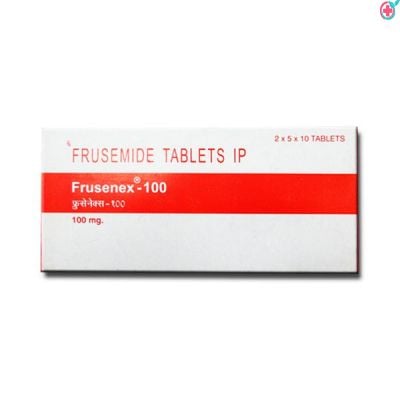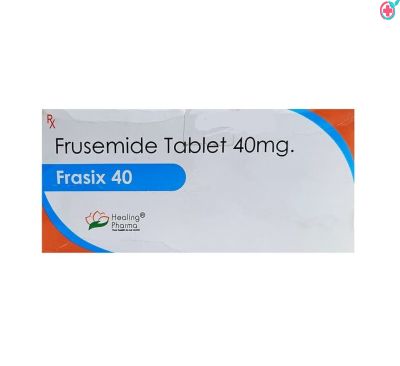
Lasix Tablet (Furosemide)
Lasix (furosemide) is a loop diuretic (water pill) that prevents your body from absorbing too much salt, allowing the salt to instead be passed into your urine. Lasix treats fluid retention (edema) in people with congestive heart failure, liver disease, or a kidney disorder such as nephrotic syndrome. This medication is also used to treat high blood pressure (hypertension).


Lasix (furosemide) is a loop diuretic (water pill) that prevents your body from absorbing too much salt, allowing the salt to pass in your urine. Lasix treats fluid retention (oedema) in people with congestive heart failure, liver disease, or a kidney disorder such as nephrotic syndrome. This medication is also used to treat high blood pressure (hypertension). Lasix may also be used for purposes not listed in this medication guide.
| USA Brand Name | Lasix |
| Strength | 40 mg |
| Generic Name | Furosemide |
| Manufacturer | Sanofi India Ltd |
| Storage | Store Below 30° C |
Precaution of Lasix Tablet (furosemide)
- You should not use Lasix if you are unable to urinate. Before using Lasix, tell your doctor if you have kidney disease, enlarged prostate, urination problems, cirrhosis or another liver disease, an electrolyte imbalance, high cholesterol, gout, lupus, diabetes, or an allergy to sulfa drugs.
- Inform your physician of any recent magnetic resonance imaging (MRI) procedures or other scans that involve injecting a radioactive dye into your veins. Do not take more of this medication than is recommended.
- High doses of Lasix may cause irreversible hearing loss. If you are being treated for high blood pressure, keep using this medication even if you feel fine. High blood pressure often has no symptoms.
Uses of Lasix Tablet (Furosemide)
- Oedema: Lasix is used to treat oedema, a condition in which the body accumulates too much fluid and causes swelling. It is often used to manage oedema associated with congestive heart failure, liver disease, kidney disease, and certain lung conditions.
- Hypertension: Lasix can be prescribed to lower high blood pressure. By increasing urine production, it helps reduce the fluid volume in the body, which in turn lowers blood pressure.
- Congestive heart failure: Lasix is frequently used in the management of congestive heart failure. It helps reduce fluid accumulation in the lungs and other parts of the body, relieving symptoms such as shortness of breath, fatigue, and swelling.
- Kidney disorders: Lasix is beneficial in treating various kidney disorders, including nephrotic syndrome, renal failure, and acute kidney injury. It helps increase urine output and remove excess fluid and waste products from the body.
- Liver disease: In individuals with liver cirrhosis or other liver diseases, Lasix may be prescribed to alleviate fluid retention and reduce the risk of complications associated with ascites, a condition characterised by the accumulation of fluid in the abdominal cavity.
- Hypercalcemia: A disorder marked by abnormally high blood calcium levels, hypercalcemia can be treated with Lasix. It promotes calcium excretion through urine, thus reducing its concentration in the bloodstream.
Side effects of Lasix
- Get emergency medical help if you have any of the mentioned signs of an allergic reaction to Lasix: hives; difficulty breathing; swelling of your face, lips, tongue, or throat.
- Stop using Lasix and call your doctor at once if you have a serious side effect such as: ringing in your ears, hearing loss; itching, loss of appetite, dark urine, clay-colored stools, jaundice (yellowing of the skin or eyes).
- Severe pain in your upper stomach spreading to your back, nausea and vomiting; weight loss, body aches, numbness; swelling, rapid weight ain, urinating less than usual or not at all; chest pain, new or worsening cough with fever, trouble breathing; pale skin, bruising, unusual bleeding, feeling light-headed, rapid heart rate, trouble concentrating; low potassium (confusion, uneven heart rate, leg discomfort, muscle weakness or limp feeling).
- Low calcium (tingly feeling around your mouth, muscle tightness or contraction, overactive reflexes); headache, feeling unsteady, weak or shallow breathing; or severe skin reaction -- fever, sore throat, swelling in your face or tongue, burning in your eyes, skin pain, followed by a red or purple skin rash that spreads (especially in the face or upper body) and causes blistering and peeling.
- Less serious Lasix side effects may include diarrhoea, constipation, stomach pain, dizziness, spinning sensation, or mild itching or rash. This is not a complete list of side effects, and others may occur.
FAQs
Q: What conditions can Furosemide Tablet treat?
A: Congestive heart failure, liver disease, kidney disease, and some lung conditions can all cause oedema, or swelling, which is frequently treated with furosemide tablets. It can also be prescribed to manage high blood pressure.
Q: How is a furosemide tablet typically taken?
A: As prescribed by a healthcare provider, take a furosemide tablet orally, with or without food. The dosage and frequency of administration will depend on the individual's condition and response to treatment.
Q: Can furosemide tablets be given to children?
A: Furosemide tablets can be prescribed to children, but the dosage and administration should be determined by a healthcare professional based on the child's age, weight, and specific condition.
Q: Can the furosemide tablet be stopped abruptly?
A: It is generally not recommended to stop taking Furosemide Tablet abruptly without consulting a healthcare professional. They will provide guidance on the appropriate way to discontinue the medication to avoid any potential withdrawal effects or complications.
| Manufacturer | : | Sanofi India Ltd. |
| Trade Name | : | Lasix |
| Generic Search | : | Furosemide |
| Strength | : | 40 mg |
Certified Content

Dr. Priya Nair
Clinical Pharmacist & Senior Drug Information Specialist | 9 years
Pharm.D. (Doctor of Pharmacy)
Latest Products