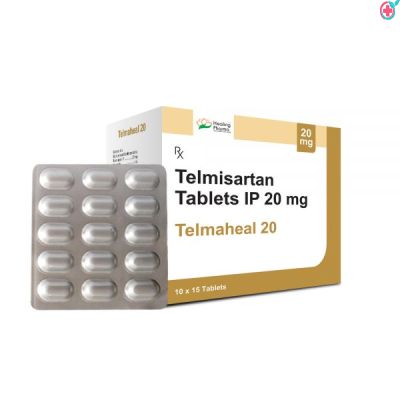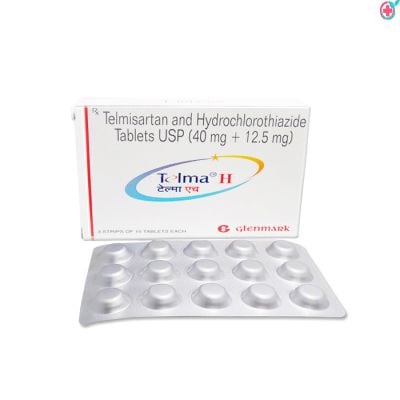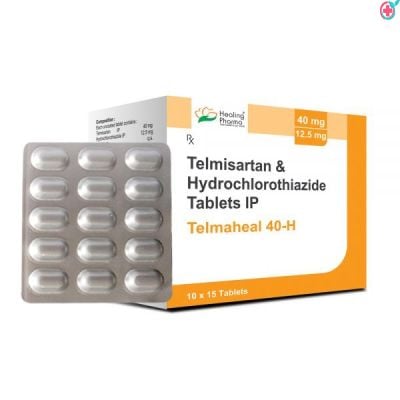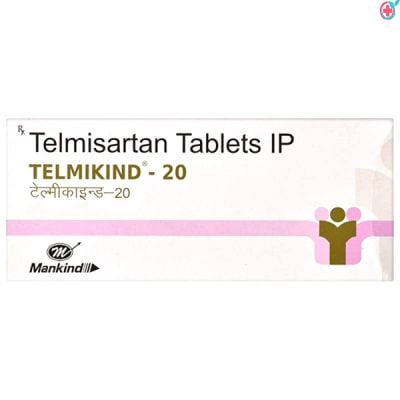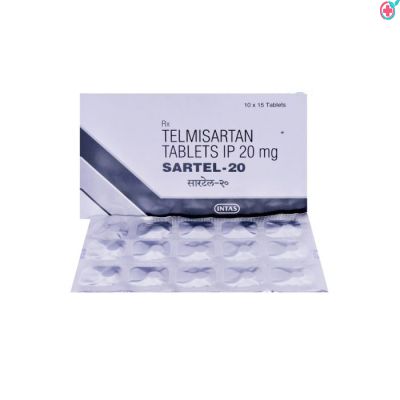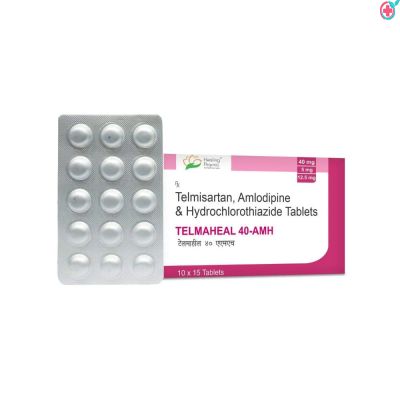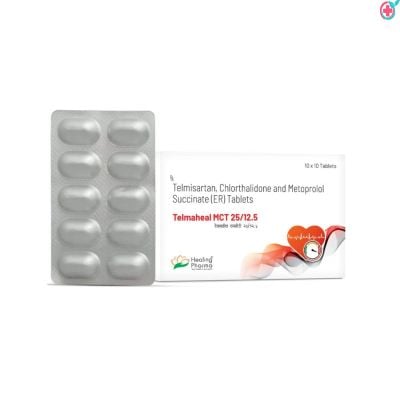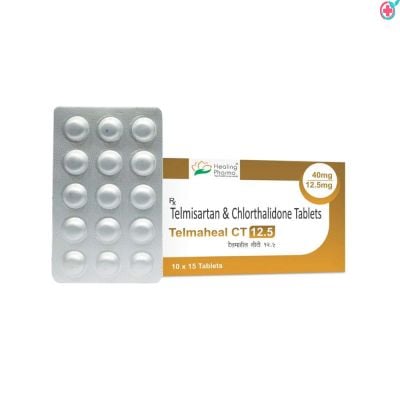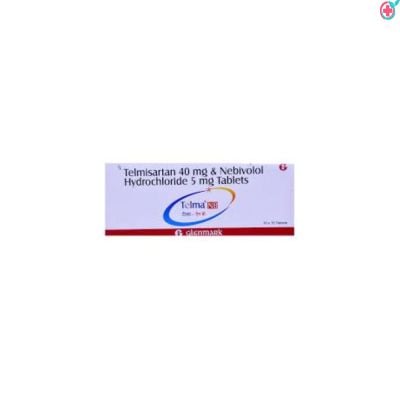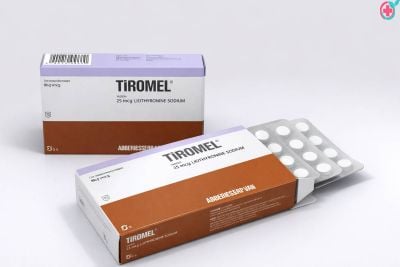
Telma Tablet (Telmisartan) Used to Manage Hypertension and Reduce Heart Attack Or Stroke Risk
Telma, also known by its generic name Telmisartan, antihypertensive medicine used to treat high blood pressure and reduce the risk of heart attack and stroke. It belongs to the angiotensin receptor blocker (ARB) class, which helps relax blood vessels, improve blood flow, and support long-term cardiovascular and kidney health, especially in patients with hypertension or diabetes.


Product Overview
Telma Tablet is a potent Angiotensin II Receptor Blocker (ARB). It is primarily prescribed for the long-term management of hypertension (high blood pressure). By relaxing the blood vessels, this medication facilitates smoother blood flow, which significantly reduces the workload on the heart. Telma drug, also known by its generic name Telmisartan, is used to treat heart problems due to high blood pressure. Low blood pressure can help avoid heart attacks and strokes. It is also used to prevent the deterioration in renal function in diabetic patients.
As a core component of cardiovascular therapy, Telma is recognized for its long duration of action, providing consistent 24-hour blood pressure control with a single daily dose. This makes it an essential treatment for patients at risk of cardiovascular events or those requiring kidney protection due to underlying metabolic conditions.
Product Composition
The therapeutic strength of this medication is derived from its active pharmaceutical ingredient, formulated for optimal bioavailability.
- Active Ingredient: Telmisartan (available in various strengths: Telma 20, Telma 40, and Telma 80).
- Chemical Class: Angiotensin II Receptor Antagonist.
- Inactive Components: Includes Sodium hydroxide, Meglumine, Povidone, and Magnesium stearate to ensure tablet stability.
- Formulation: Designed as a moisture-sensitive tablet to protect the Telmisartan active agent from environmental degradation.
Product Specification
| Feature | Details |
| Brand Name | Telma Tablet |
| Generic Name | Telmisartan |
| Drug Class | Angiotensin II Receptor Blocker (ARB) |
| Dosage Form | Oral Tablet |
| Available Strengths | 20 mg, 40 mg, and 80 mg |
| Primary Indication | Hypertension and Cardiovascular risk reduction |
Mechanism of Action
Telma Tablet works by targeting the hormonal pathways that regulate vascular tension and fluid balance:
- Angiotensin II Blockade: Telmisartan specifically blocks the binding of Angiotensin II—a hormone that causes blood vessels to narrow—to its receptors in the blood vessels.
- Vasodilation: By inhibiting this hormone, the medication promotes vasodilation (widening of the arteries), which results in a significant reduction in systemic blood pressure.
- Aldosterone Inhibition: It helps reduce the release of aldosterone, which assists the kidneys in managing salt and water levels, further supporting heart health.
- Renal Protection: In patients with diabetes, it reduces the pressure within the filtering units of the kidney, helping to slow down diabetic nephropathy.
Key Benefits
- Effective Hypertension Management: Provides reliable and sustained blood pressure lowering effects, even during the early morning hours when the risk of heart attack is highest.
- Stroke and Heart Attack Prevention: By maintaining optimal blood pressure, it significantly lowers the clinical risk of suffering from a stroke or myocardial infarction.
- Organ Protection: Offers vital nephroprotection (kidney protection) for diabetic patients, preventing further damage to renal tissues.
- Excellent Tolerability: Known for having a low incidence of side effects, such as the dry cough often associated with ACE inhibitors, improving patient compliance.
- Once-Daily Dosing: The long half-life of Telmisartan ensures that a single daily dose provides round-the-clock protection and glycemic-neutral metabolic effects.
Precautions
General Safety Guidelines
- Use Telma Tablet (Telmisartan 20mg, 40mg, 80mg) exactly as prescribed for hypertension and cardiovascular protection
- Take the tablet at the same time each day for consistent blood pressure control
- Do not stop the medication suddenly without consulting your doctor
- Regular blood pressure monitoring is important during treatment
- Follow a low-sodium diet and healthy lifestyle for better results
Kidney and Liver Considerations
- Use cautiously in patients with kidney disease as dose adjustment may be required
- Monitor kidney function regularly during long-term therapy
- Use with caution in patients with liver impairment
Pregnancy and Breastfeeding
- Not recommended during pregnancy as it may harm the unborn baby
- Discontinue immediately and consult a doctor if pregnancy is detected
- Breastfeeding use should only be considered under strict medical supervision
Health and Medical Considerations
| Condition | Precaution |
|---|---|
| Kidney disease | Requires regular monitoring of kidney function |
| Liver disease | Use cautiously; may need dose adjustment |
| Diabetes | Monitor potassium and kidney function regularly |
| Heart conditions | Requires careful blood pressure monitoring |
| Dehydration or low salt levels | Increased risk of hypotension |
Allergy and Sensitivity
- Avoid use if allergic to Telmisartan or any component of the tablet
- Seek medical attention if symptoms like swelling, rash, or difficulty breathing occur
Lifestyle and Monitoring
- Avoid excessive potassium-rich supplements unless prescribed
- Limit alcohol intake as it may increase blood pressure-lowering effects
- Monitor for dizziness, especially when standing up quickly
- Maintain regular follow-ups for dose adjustment and BP control
Usage
Proper administration of Telma Tablet is key to achieving consistent blood pressure control and reducing long-term cardiovascular risks. As a long-acting ARB, it provides sustained effects when taken as directed by a healthcare professional.
Dosage and Administration
The Telmisartan dosage is personalized based on the patient's current blood pressure readings and underlying health conditions such as diabetes or heart disease.
| Clinical Need | Typical Starting Dose | Maximum Daily Dose |
| Hypertension | 40 mg once daily | 80 mg once daily |
| Cardiovascular Risk Reduction | 80 mg once daily | 80 mg once daily |
| Renal Protection (Diabetic) | 40 mg once daily | As prescribed by a specialist |
How to Take Telma Tablet:
Consistency: Take your Telma 40 or 80 mg tablet at the same time every day to maintain a steady level of Telmisartan in your bloodstream.
With or Without Food: This medication can be taken with or without meals. If you have a sensitive stomach, taking it with food may help.
Swallow Whole: Swallow the tablet with a full glass of water. Do not crush or chew it, as the tablet is designed for specific absorption rates.
Moisture Protection: Telma tablets are moisture-sensitive. Do not remove the tablet from the blister pack until you are ready to take it.
Missed Dose: If you miss a dose, take it as soon as you remember. If it is almost time for your next dose, skip the missed one. Never double the dose to catch up.
Storage and Handling
Environment: Store in a cool, dry place below 30°C. Protect the medication from direct light and humidity.
Blister Integrity: Keep tablets in their original packaging to ensure shelf-life stability.
Safety: Store in a secure location away from children and pets to prevent accidental antihypertensive ingestion.
Uses
Telma (Telmisartan) is a versatile cardiovascular medication used to manage systemic pressure and protect vital organs from the complications of chronic hypertension.
Primary Indications
Essential Hypertension: The primary use is to lower high blood pressure in adults, which is a major risk factor for heart and kidney disease.
Cardiovascular Prevention: It is indicated to reduce the incidence of stroke, myocardial infarction (heart attack), and death from cardiovascular causes in patients aged 55 and older who are at high risk.
Diabetic Nephropathy: Used to prevent or slow the deterioration of renal function in patients with Type 2 diabetes and hypertension.
Secondary Benefits
Left Ventricular Hypertrophy: Helps in reducing the thickening of the heart muscle walls, which often occurs due to prolonged untreated hypertension.
Metabolic Neutrality: Unlike some other blood pressure drugs, Telmisartan has a neutral or slightly positive effect on insulin sensitivity and glucose metabolism.
ACE-Inhibitor Alternative: A preferred choice for patients who develop a persistent dry cough or other side effects while taking ACE inhibitors.
Vascular Health: Promotes better endothelial function, keeping the blood vessels flexible and healthy over the long term.
Side Effects
Common Side Effects
- Dizziness or lightheadedness
- Low blood pressure (especially when standing up quickly)
- Fatigue or weakness
- Headache
- Nausea
- Back pain
- Cold or flu-like symptoms
- Increased potassium levels in blood (mild cases)
Serious Side Effects
- Severe drop in blood pressure leading to fainting
- High potassium levels (hyperkalemia) causing irregular heartbeat or muscle weakness
- Worsening kidney function or reduced urine output
- Severe allergic reactions such as swelling of face, lips, or throat
- Chest pain or irregular heartbeat in rare cases
Long-Term or Rare Side Effects
| Side Effect | Description |
|---|---|
| Kidney impairment | May occur in high-risk patients or with long-term use |
| Electrolyte imbalance | Especially increased potassium levels in blood |
| Liver enzyme changes | Rare elevation in liver function tests |
| Persistent hypotension | Ongoing low blood pressure in sensitive individuals |
| Dehydration-related effects | Dizziness and weakness due to fluid imbalance |
Monitoring Tips
- Regular blood pressure monitoring to ensure proper control
- Periodic kidney function tests (creatinine, urea levels)
- Monitor potassium levels, especially in diabetic or kidney patients
- Watch for symptoms like dizziness, fainting, or irregular heartbeat
- Stay hydrated and avoid sudden posture changes to reduce dizziness risk
FAQs
Q: How does Telma Tablet work?
A: Telma Tablet works by blocking a hormone that causes blood vessels to tighten. This helps to relax blood vessels and lower blood pressure.
Q: What should I do if I miss a dose of Telma 40 Tablet?
A: If you miss a dose, take it as soon as you remember. If it's almost time for your next dose, skip the missed one. Do not double up on doses.
Q: Can Telma Tablet cause side effects?
A: Yes, some common side effects include dizziness, headache, nausea, and diarrhea. If you notice any side effects, tell your doctor.
Q: Can I take Telma Tablet during pregnancy?
A: Telma Tablet is not recommended during pregnancy. If you are pregnant or planning to become pregnant, talk to your doctor before taking this medicine.
Q: Can Telma Tablet be taken with other medications?
A: Telma Tablet can interact with other medicines like painkillers (NSAIDs) and potassium supplements. Always inform your doctor about any other medications you're taking.
Q: Can Telma Tablet be used to treat heart failure?
A: Yes, Telma Tablet can be used for heart failure in patients who cannot use other medications. Your doctor will monitor your condition closely.
Q: Can I take a potassium supplement with Telma?
A: No, avoid potassium supplements while taking Telma, as it can raise your blood potassium levels.
Q: Can Telma be taken on an empty stomach?
A: Yes, Telma can be taken with or without food. Try to take it at the same time every day.
Interactions
Drug Interactions
- Combining with other antihypertensive medicines may lead to excessive blood pressure lowering (hypotension)
- Use with potassium supplements or potassium-sparing diuretics may increase risk of high potassium levels (hyperkalemia)
- NSAIDs (like ibuprofen or diclofenac) may reduce the blood pressure-lowering effect and affect kidney function
- Lithium levels may increase when used with Telmisartan, leading to toxicity risk
- Diuretics (water pills) may increase risk of dehydration and low blood pressure
Disease and Condition Interactions
| Condition | Interaction Effect |
|---|---|
| Kidney disease | May worsen kidney function in susceptible patients; requires monitoring |
| Liver disease | Slower drug metabolism may require dose adjustment |
| Diabetes | Increased risk of potassium imbalance; regular monitoring needed |
| Heart failure | Can improve symptoms but requires close medical supervision |
| Dehydration or low sodium | Higher risk of severe hypotension and dizziness |
Food and Lifestyle Interactions
- High potassium foods (banana, coconut water, potassium-rich supplements) may increase risk of hyperkalemia
- Alcohol may enhance blood pressure-lowering effect causing dizziness or fainting
- Low-salt diet improves effectiveness of the medicine
- Sudden standing or dehydration may increase risk of low blood pressure episodes
Medication Timing Considerations
- Take at the same time daily for stable blood pressure control
- Can be taken with or without food
- Avoid self-adjusting dose when starting or stopping other BP medicines
- Always inform your doctor before starting new prescription or OTC medicines
Herbal and Supplement Interactions
- Herbal BP-lowering products may cause excessive hypotension when combined
- Potassium-containing supplements should only be taken if prescribed
- Always inform your doctor about herbal or alternative therapies before use
| Manufacturer | : | Glenmark Pharma, India |
| Trade Name | : | Micardis |
| Generic Search | : | Telmisartan |
| Strength | : | 20mg, 40mg, 80mg |
Certified Content

Dr. Priya Nair
Clinical Pharmacist & Senior Drug Information Specialist | 9 years
Pharm.D. (Doctor of Pharmacy)
Latest Products