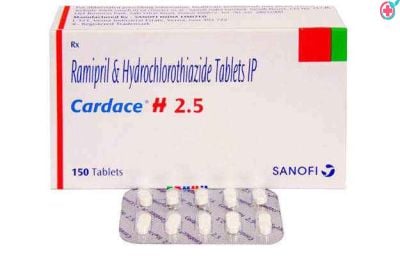
Ramipres Tablet (Ramipril) | Used to Treat High Blood Pressure, Heart Failure
Ramipres Tablet (Ramipril) is an ACE inhibitor used to treat high blood pressure, heart failure, and to reduce the risk of heart attack and stroke. If left untreated for a significant time, hypertension causes arteries to become blocked with plaque. Arteries blockage restricts blood flow to the heart. Ramipres Tablet reduces the risk of heart attacks and stroke. These tablets prevent damage to the blood vessels in the heart and kidneys.


Product Overview
Ramipres Tablet is a highly effective medication primarily prescribed for the management of hypertension (high blood pressure) and the prevention of severe cardiovascular events. It belongs to a class of drugs known as ACE inhibitors, which work by relaxing blood vessels to ensure smoother blood flow throughout the body. By maintaining optimal blood pressure levels, this medication significantly reduces the strain on the heart and helps protect vital organs like the kidneys from long-term damage.
Product Composition
- Active Ingredient: Ramipril (Available in varying strengths such as 1.25 mg, 2.5 mg, 5 mg, or 10 mg)
- Excipients: Includes hypromellose, microcrystalline cellulose, pregelatinized starch, and sodium stearyl fumarate
Product Specification
| Feature | Details |
| Drug Class | Angiotensin-Converting Enzyme (ACE) Inhibitor |
| Therapeutic Use | Hypertension, Heart Failure, and Post-Heart Attack care |
| Dosage Form | Oral Tablet |
| Bioavailability | Approximately 50% to 60% |
| Metabolism | Hepatic (Converted to the active metabolite Ramiprilat) |
| Elimination | Primarily through renal excretion (kidneys) |
Mechanism of Action
- The medication acts as a potent ACE inhibitor by blocking the enzyme responsible for converting Angiotensin I into Angiotensin II.
- By reducing Angiotensin II levels, it prevents the narrowing of blood vessels (vasoconstriction), leading to systemic vasodilation.
- It lowers aldosterone secretion, which assists the kidneys in reducing sodium and water retention, further lowering blood pressure.
- It helps in preserving bradykinin levels, a natural substance that helps dilate blood vessels and improve overall vascular health.
Key Benefits
- Effective Blood Pressure Control: Provides consistent 24-hour regulation of systolic and diastolic blood pressure with once-daily dosing.
- Cardiovascular Protection: Clinically proven to reduce the risk of myocardial infarction (heart attack) and stroke in high-risk patients.
- Kidney Health: Offers significant nephroprotection, slowing the progression of kidney disease in patients with diabetic nephropathy.
- Improved Survival: Enhances survival rates and reduces hospitalizations for patients suffering from congestive heart failure or those recovering from a recent heart attack.
Precautions
| Precaution | Description |
|---|---|
| Kidney Problems | Use carefully if you have kidney disease. |
| Heart Conditions | Inform your doctor about heart problems. |
| Pregnancy | Avoid use during pregnancy. |
| Breastfeeding | Consult a healthcare professional before use. |
| Dizziness | May cause dizziness or lightheadedness. |
| Potassium Intake | Avoid extra potassium supplements. |
| Alcohol | Alcohol may increase dizziness. |
| Hydration | Drink enough fluids to stay hydrated. |
Important Points
- Take the medicine exactly as directed.
- Regular monitoring of blood pressure and kidney function may be helpful during use.
- Inform your healthcare provider about all medicines or supplements you are taking.
- Seek medical attention if you experience swelling of the face, lips, throat, or difficulty breathing.
Usage
Dosage and administration for this medication must be determined by a healthcare professional based on the patient's specific medical condition and response to treatment. It is generally recommended to take the tablet at the same time each day to maintain consistent levels of Ramipril in the bloodstream.
| Aspect | Recommendation |
| Initial Dosage | Typically starts at 1.25 mg or 2.5 mg once daily for hypertension |
| Maintenance Dose | Adjusted gradually up to 5 mg or 10 mg per day based on clinical need |
| Method of Intake | Swallow the tablet whole with a glass of water; do not crush or chew |
| Food Interaction | Can be taken with or without food as absorption is not significantly affected |
| Missed Dose | Take as soon as remembered, unless it is almost time for the next dose |
Uses
Management of Hypertension: Used as a primary treatment to lower high blood pressure and reduce the long-term risk of vascular complications.
Heart Failure Treatment: Prescribed to improve heart function and manage symptoms of congestive heart failure by reducing the workload on the cardiac muscles.
Post-Myocardial Infarction: Administered following a heart attack to improve survival rates and prevent the heart from weakening further.
Reduction of Stroke Risk: Utilized in patients aged 55 and older who are at high risk for cardiovascular disease to prevent stroke.
Diabetic Nephropathy: Indicated for patients with diabetes and kidney involvement to provide renal protection and delay the onset of end-stage renal failure.
Side Effects
Common Side Effects
- Dizziness or lightheadedness
- Dry cough
- Headache
- Fatigue
- Nausea
- Low blood pressure
Less Common Side Effects
- Muscle cramps
- Skin rash
- Loss of taste
- Digestive discomfort
- Increased potassium levels
Serious Side Effects
| Serious Side Effect | Description |
|---|---|
| Angioedema (Swelling) | Swelling of face, lips, tongue, or throat. May affect breathing. |
| Severe Low Blood Pressure | Can cause fainting or severe weakness. |
| Kidney Problems | Reduced urine output or worsening kidney function. |
| Severe Allergic Reaction | Rash, itching, swelling, or breathing difficulty. |
| High Potassium Levels | May cause irregular heartbeat or muscle weakness. |
Important Points
- Most side effects are mild and temporary.
- Consult a healthcare professional if symptoms persist.
- Seek urgent care for swelling or breathing difficulty.
FAQs
Q: What is Ramipres Tablet used for?
A: Ramipres (Ramipril) is used to treat high blood pressure (hypertension), heart failure, and to reduce the risk of heart attack, stroke, and kidney problems in at-risk patients.
Q: How does Ramipril work?
A: Ramipril is an ACE (Angiotensin-Converting Enzyme) inhibitor. It works by relaxing and widening blood vessels, making it easier for the heart to pump blood and lowering blood pressure.
Q: When is the best time to take Ramipres?
A: Ramipres can be taken with or without food, at the same time each day. Taking it at a consistent time helps maintain steady blood levels.
Q: What are the common side effects of Ramipres?
A: Common side effects include a dry persistent cough, dizziness, headache, fatigue, and nausea. Contact your doctor if side effects are severe or persistent.
Q: Can Ramipres cause kidney problems?
A: In some cases, Ramipril can affect kidney function, especially at the start of treatment. Regular monitoring of kidney function and electrolytes is recommended.
Q: Who should not take Ramipres Tablet?
A: Ramipres should not be taken by patients who are pregnant, have a history of angioedema, have severe kidney or liver disease, or are allergic to ACE inhibitors.
Q: Can I take Ramipres during pregnancy?
A: No. Ramipril is contraindicated during pregnancy as it can cause serious harm or death to the unborn baby. Inform your doctor immediately if you become pregnant.
Q: Can Ramipres be taken with other medications?
A: Ramipril may interact with NSAIDs, potassium supplements, diuretics, and other blood pressure medications. Always inform your doctor or pharmacist about all medicines you are taking.
Q: What should I do if I miss a dose?
A: Take the missed dose as soon as you remember. If it is almost time for your next dose, skip the missed dose. Do not double the dose to make up for the missed one.
Interactions
| Interaction | Description |
|---|---|
| Blood Pressure Medicines | May further lower blood pressure when used together. |
| Diuretics | Can increase risk of low blood pressure and dehydration. |
| Potassium Supplements | May raise potassium levels in the blood. |
| NSAIDs | May reduce effect and affect kidney function. |
| Lithium | May increase lithium levels and side effects. |
| Alcohol | Can increase dizziness and blood pressure drop. |
Important Points
- Inform your healthcare provider about all medicines you are using.
- Avoid self-medication with painkillers or supplements.
- Monitor blood pressure regularly during combined therapy.
- Watch for symptoms like dizziness, weakness, or irregular heartbeat.
| Manufacturer | : | Novartis Ltd, India |
| Trade Name | : | Altace |
| Generic Search | : | Ramipril |
| Strength | : | 1.25mg, 2.5mg, 5mg, 10mg |
Certified Content

Dr. Priya Nair
Clinical Pharmacist & Senior Drug Information Specialist | 9 years
Pharm.D. (Doctor of Pharmacy)
Latest Products