Clocip B Cream (Beclomethasone + Clotrimazole Cream) | Lotrisone Alternative | Treat Fungal Skin Infections
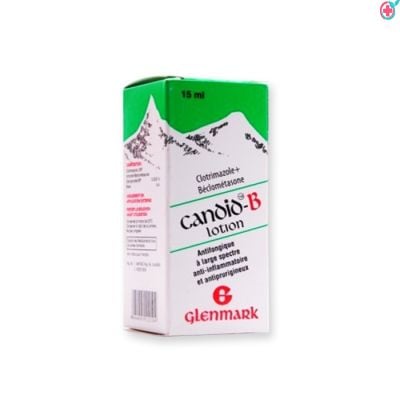
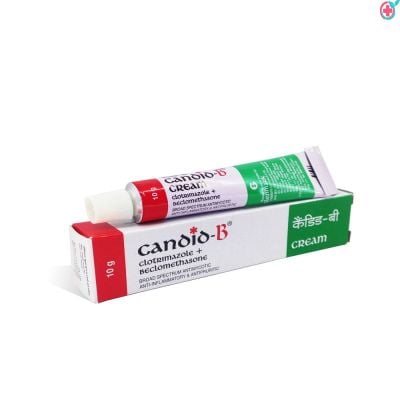
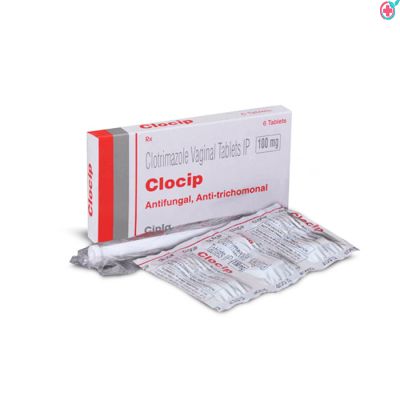
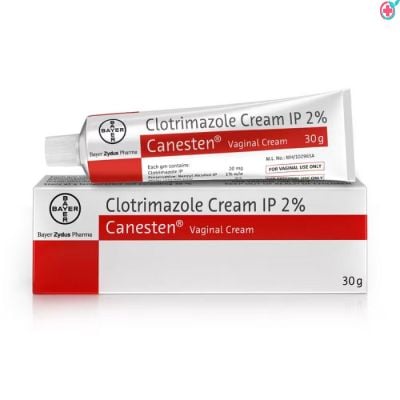
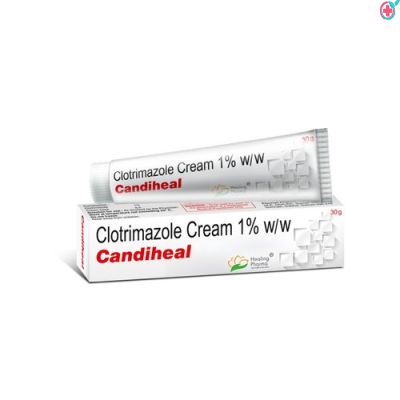
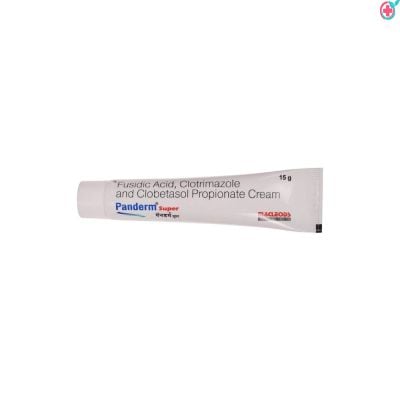
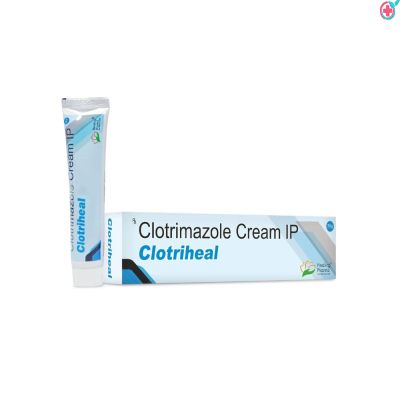
Clocip B Cream (Beclomethasone & Clotrimazole) is primarily used in the treatment of skin infections such as athlete's foot, jock itch, ringworm, and yeast infections. This combination of Beclomethasone and Clotrimazole antifungal medicine, also sold under the trade name Candid B (made by Glenmark) is used against infections caused by fungus. Lotrisone is another brand name for the combination of Clotrimazole and Beclomethasone.


Product Overview
Clocip B Cream is a dual-action used to provide rapid relief from skin conditions caused by fungal infections that are accompanied by inflammation. The cream features a potent combination of Clotrimazole, a broad-spectrum antifungal agent that eradicates the underlying fungal pathogen, and Beclomethasone Dipropionate, a corticosteroid that quickly reduces the redness, swelling, itching, and discomfort associated with these infections.
By targeting both the biological source of the infection and the immune response driving the physical symptoms, Clocip B helps break the "itch-scratch" cycle. This combination is particularly effective for managing stubborn or painful skin irritations that have not responded to singular antifungal treatments, facilitating a faster and more comfortable healing process.
Product Composition
- Active Ingredients:
- Clotrimazole (1% w/w): An imidazole antifungal that inhibits the growth of fungi by disrupting their cell membrane synthesis.
- Beclomethasone Dipropionate (0.025% w/w): A corticosteroid that provides anti-inflammatory, anti-pruritic (anti-itch), and vasoconstrictive effects to calm the skin.
- Formulation: Smooth, easy-to-spread cream base suitable for localized topical application.
- Action Category: Antifungal and anti-inflammatory agent.
Product Specifications
| Feature | Description |
| Therapeutic Class | Dermatological / Antifungal + Corticosteroid |
| Route of Administration | Topical |
| Primary Indication | Inflammatory fungal skin infections |
| Mechanism | Fungal cell membrane disruption + Inflammation suppression |
| Storage | Store in a cool, dry place; keep tightly closed |
Mechanism of Action
- Antifungal (Clotrimazole): Clotrimazole acts by inhibiting the enzyme 14-$\alpha$ demethylase, which is required for the production of ergosterol. Without ergosterol, fungal cell membranes become permeable and leaky, leading to the inhibition of fungal growth and eventual cell death.
- Anti-Inflammatory (Beclomethasone): As a synthetic corticosteroid, it suppresses the localized inflammatory response. It stabilizes cell membranes and inhibits the release of inflammatory chemical mediators, which quickly reduces the itching, heat, and redness that accompany an active infection.
Key Benefits
- Dual-Action Therapy: Addresses both the infection and the painful symptoms in a single application.
- Rapid Symptom Relief: The corticosteroid provides quick relief from intense itching, which helps prevent further trauma to the skin from scratching.
- Broad-Spectrum Coverage: Effective against a wide variety of fungal pathogens, including dermatophytes, yeasts, and molds.
Precautions
Medical supervision
- Use only under prescription due to combination of steroid and antifungal
- Not recommended for long-term or unsupervised use
- Avoid use for minor or undiagnosed skin conditions
Skin conditions
| Condition | Precaution |
|---|---|
| Viral infections | Not effective and may worsen condition |
| Acne | Not recommended as steroid may aggravate acne |
| Open wounds | Use only if specifically advised by doctor |
| Fungal infections alone | Use only as prescribed, avoid overuse |
Application safety
- Apply a thin layer only on affected areas
- Avoid use on face, groin, or large skin areas unless directed
- Do not cover with airtight dressings unless instructed
Steroid related precautions
- Prolonged use may cause skin thinning, stretch marks, or visible blood vessels
- Avoid sudden discontinuation after long-term use without medical advice
- Risk of rebound symptoms if misused
Antifungal precautions
- Do not stop treatment early even if symptoms improve
- Overuse may not increase effectiveness and can cause irritation
Eye and contact safety
- Avoid contact with eyes, mouth, and mucous membranes
- Rinse immediately with water if accidental contact occurs
Monitoring advice
- Watch for worsening rash or spread of infection
- Report severe redness, burning, or allergic reactions
- Seek medical advice if no improvement within prescribed duration
Usage
Application Guidelines
Because this cream combines an antifungal with a corticosteroid, precise application is essential to ensure the infection is cleared without compromising your skin barrier.
| Aspect | Instruction |
| Frequency | Once or twice daily, or as directed by your physician |
| Method | Apply a very thin film to the clean, dry affected area |
| Duration | Strictly short-term (follow your doctor’s specific timeline) |
| Application | Use clean hands; massage in gently until absorbed |
Administration & Best Practices
Complete the Course: Do not stop using the cream just because the itching or redness stops. Fungal spores may remain, and premature cessation can lead to a rapid recurrence of the infection.
Keep it Targeted: Apply strictly to the infected area. Avoid applying to healthy skin, as the corticosteroid component can cause unnecessary thinning or irritation in unaffected areas.
Avoid Occlusion: Do not use airtight bandages or plastic dressings unless specifically instructed by your doctor, as this increases the absorption of the steroid and the risk of side effects.
Wash Hands: Always wash your hands thoroughly after applying to avoid transferring the medication to your eyes, mouth, or other sensitive body parts.
Skin Fold Caution: If using in areas where skin touches skin (like the groin or armpits), ensure the area is kept clean and dry between applications.
Uses
Inflammatory Fungal Dermatoses: Indicated for fungal skin infections that present with significant inflammation, such as intense redness, swelling, and burning.
Eczematoid Fungal Infections: Effective for cases where a fungal infection has triggered an eczema-like response, causing scaly, itchy, and irritated patches.
Relief of Pruritus (Itching): The corticosteroid provides rapid relief from the intense itching that is characteristic of many fungal conditions, helping to prevent the damage caused by scratching.
Management of Ringworm & Jock Itch: Used to clear stubborn cases of Tinea corporis (ringworm) and Tinea cruris (jock itch) where inflammation is a primary concern.
Side effects
Common side effects
- Burning or stinging sensation at application site
- Mild skin redness or irritation
- Itching or dryness
- Temporary discomfort after application
- Slight peeling of the skin
Serious side effects
| Area | Possible Effects |
|---|---|
| Skin | Severe irritation, rash, or allergic dermatitis |
| Skin structure | Skin thinning or stretch marks with prolonged use |
| Infection control | Worsening or spread of infection if misused |
| Immune response | Increased risk of secondary skin infections |
| Allergy | Swelling, hives, or hypersensitivity reactions |
Warning signs requiring medical attention
- Persistent or worsening redness and irritation
- No improvement or worsening of fungal infection
- Skin thinning or unusual changes in skin texture
- Signs of allergic reaction such as swelling or difficulty breathing
- New or spreading skin lesions during treatment
FAQs
Q: What is Clocip B Cream used for?
A: It is used to treat fungal skin infections that are accompanied by inflammation, such as redness, swelling, and intense itching. It is specifically formulated to kill the underlying fungus while simultaneously soothing the painful symptoms.
Q: Can I use this for a simple, non-itchy rash?
A: No. Clocip B contains a corticosteroid. It should only be used for fungal infections that have been diagnosed by a doctor. Using it on other types of rashes can mask the actual cause and potentially lead to skin damage.
Q: Why shouldn't I use this for a long time?
A: The Beclomethasone (steroid) component can cause the skin to become thin, fragile, or discolored if used for too long. Always follow your doctor's instructions regarding the duration of treatment, which is typically short-term.
Q: What should I do if the infection doesn't get better?
A: If you notice no improvement after a few days, or if the condition appears to be spreading, stop using the cream and contact your healthcare provider. The infection may be resistant, or the diagnosis may need to be re-evaluated.
Q: Is it safe to apply to the face or groin area?
A: These areas have thin, sensitive skin that absorbs steroids very quickly. Only apply Clocip B to the face or skin folds if your doctor has explicitly instructed you to do so, and be very careful to keep it away from your eyes.
Q: Should I cover the area with a bandage after applying?
A: Avoid covering the area with airtight bandages, plastic wraps, or tight clothing unless specifically told to by your doctor. Covering the area traps the medication, increasing its absorption and the risk of side effects.
Interactions
Topical product interactions
- Other corticosteroid creams may increase risk of skin thinning and delayed healing
- Additional antifungal creams may cause overlapping effects or increased skin irritation
- Strong acne treatments like retinoids can increase dryness, redness, and peeling
- Exfoliating agents such as AHA or BHA may worsen skin sensitivity and irritation
- Occlusive dressings with medicated creams may increase absorption and side effects
Medicine and treatment interactions
| Product Type | Interaction Effect |
|---|---|
| Corticosteroids | Increased risk of skin thinning and irritation |
| Other antifungals | Overlapping effect or reduced tolerability |
| Retinoids | Increased redness, peeling, and dryness |
| AHA/BHA exfoliants | Heightened skin sensitivity and irritation |
| Occlusive medicated dressings | Increased absorption and side effect risk |
Cosmetic interactions
- Alcohol-based toners and harsh cleansers may worsen irritation
- Fragranced skincare products can trigger sensitivity reactions
- Heavy makeup may reduce effectiveness on affected areas
Usage advice
- Maintain a time gap between different topical treatments
- Avoid combining multiple strong dermatological products without medical guidance
- Discontinue use if irritation increases when used with other skincare or medicines
| Manufacturer | : | Cipla Pharma, India |
| Trade Name | : | lotrisone |
| Generic Search | : | Clotrimazole & Beclomethasone |
| Strength | : | 10gm |
Certified Content

Dr. Priya Nair
Clinical Pharmacist & Senior Drug Information Specialist | 9 years
Pharm.D. (Doctor of Pharmacy)
Latest Products