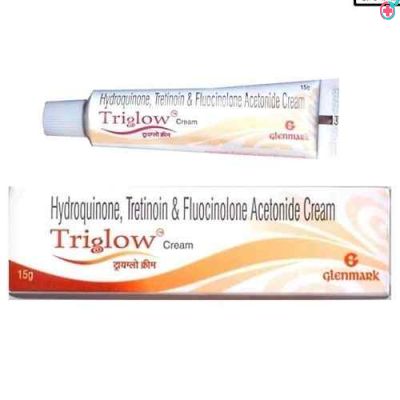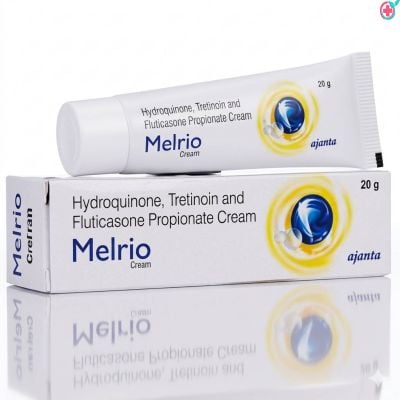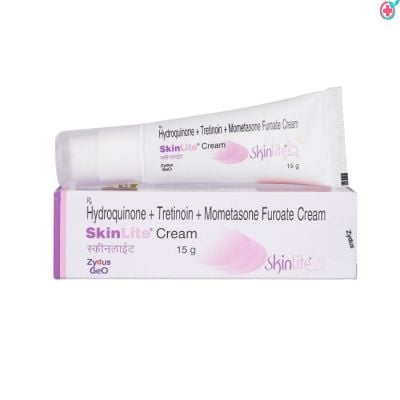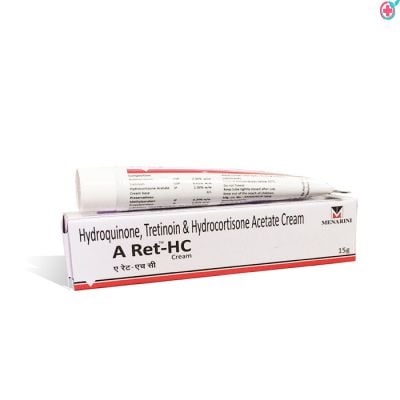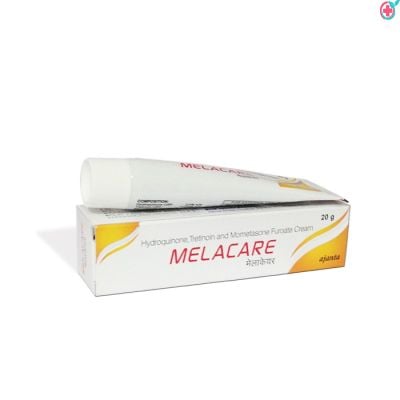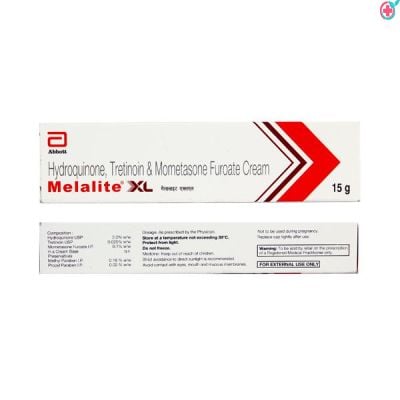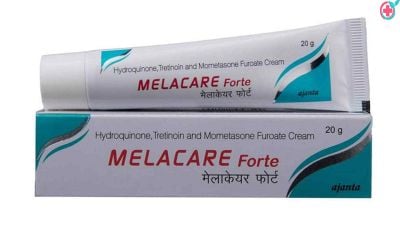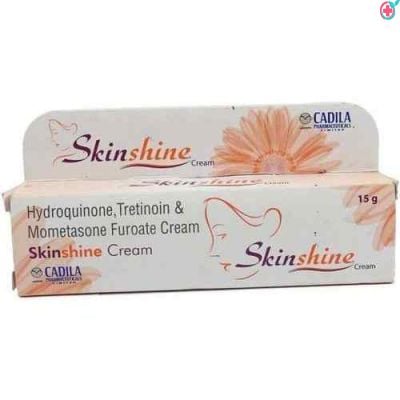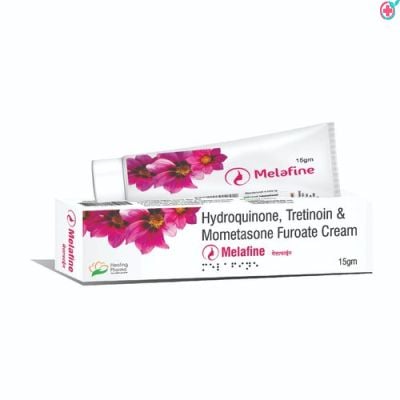
Clearz Max Cream (Hydroquinone + Tretinoin + Fluocinolone acetonide) | Tri-luma Alternative | Treat Melasma
Clearz Max Cream is a medication used to treat a skin condition called melasma, which causes dark brown patches on the face, particularly on the forehead, chin, nose, and cheeks. It is more common in women than men. Tri-Luma Max Cream contains three active ingredients: Fluocinolone acetonide (a steroid), Hydroquinone (a skin-lightening agent), and Tretinoin (a form of Vitamin A).


Product Overview
Clearz Max Cream is a triple-combination dermatological therapy designed for the short-term treatment of moderate to severe melasma. By blending three distinct active ingredients, this formulation provides a comprehensive approach to correcting hyperpigmentation: it actively lightens dark patches, accelerates skin renewal, and minimizes inflammation to ensure a more even skin tone.
This cream is a specialized medical treatment intended for professional use under the supervision of a dermatologist. It requires strict adherence to usage guidelines to effectively clear stubborn pigmentation while managing the natural side effects of its potent components.
Product Composition
- Active Ingredients:
- Hydroquinone (2%): A powerful depigmenting agent that inhibits the enzyme tyrosinase, directly reducing melanin production.
- Tretinoin (0.025%): A retinoid that promotes rapid skin cell turnover and exfoliation, helping to shed pigmented cells and enhance the penetration of other ingredients.
- Fluocinolone Acetonide (0.01%): A mild-to-moderate corticosteroid that helps reduce the inflammation, redness, and irritation that can occur as a result of using Tretinoin and Hydroquinone.
- Action Category: Triple-combination depigmenting/anti-hyperpigmentation agent.
Product Specifications
| Feature | Description |
| Therapeutic Class | Dermatological / Depigmenting Agent |
| Route of Administration | Topical |
| Primary Indication | Moderate to severe melasma (facial hyperpigmentation) |
| Mechanism | Multi-pathway: Inhibition of melanin, cellular exfoliation, and anti-inflammatory action |
| Storage | Store in a cool, dark place; keep tube tightly closed |
Mechanism of Action
- Inhibition of Melanin: Hydroquinone works by blocking the conversion of tyrosine to melanin within the melanocytes, progressively fading existing dark spots.
- Accelerated Cell Turnover: Tretinoin thins the outer layer of skin and stimulates the replacement of old, pigmented cells with new, evenly pigmented ones.
- Inflammatory Modulation: Fluocinolone Acetonide suppresses the inflammatory response, preventing the "rebound" inflammation that can often stimulate further pigment production, while also keeping the skin comfortable during treatment.
Key Benefits
- Synergistic Efficacy: The triple-combination formula addresses pigment production from multiple angles, offering superior results compared to using any of the ingredients in isolation.
- Corrective Tone Management: Highly effective for persistent brown or gray-brown patches, assisting in the restoration of a uniform complexion.
- Controlled Irritation: The inclusion of Fluocinolone Acetonide helps mitigate the dryness and redness typically associated with Tretinoin, allowing for better patient compliance.
Precautions
Medical supervision
- Use only under strict dermatologist prescription due to triple active combination (Hydroquinone + Tretinoin + Fluocinolone acetonide)
- Not recommended for long-term or cosmetic skin lightening use
- Avoid self-medication or unsupervised prolonged application
Skin conditions
| Condition | Precaution |
|---|---|
| Sensitive skin | High risk of irritation, use with extreme caution |
| Broken or inflamed skin | Do not apply on cuts, wounds, or infections |
| Acne-prone skin | May initially worsen irritation or dryness |
| Allergic history | Avoid if allergic to any of the ingredients |
Application safety
- Apply a very thin layer only on affected areas
- Avoid contact with eyes, lips, and mucous membranes
- Wash hands thoroughly after application
Sun exposure care
- Skin becomes highly sensitive to sunlight during use
- Always use broad-spectrum sunscreen during daytime
- Avoid direct sun exposure and tanning
Steroid-related precautions
- Prolonged use may cause skin thinning, stretch marks, or visible blood vessels
- Do not abruptly stop long-term use without medical advice
- Risk of rebound pigmentation or irritation if misused
Usage precautions
- Start gradually if prescribed to reduce irritation
- Do not combine with other strong exfoliating or depigmenting products unless advised
- Discontinue use if severe burning, redness, or irritation occurs
Monitoring advice
- Mild redness, dryness, and peeling are common initially
- Seek medical advice if no improvement or worsening occurs
- Stop use if signs of allergic reaction or unusual skin changes develop
Usage
Application Guidelines
Because Clearz Max Cream contains a potent steroid, a retinoid, and a depigmenting agent, strict adherence to application protocols is necessary to achieve results while safeguarding skin health.
| Aspect | Instruction |
| Frequency | Once daily, specifically in the evening |
| Quantity | Use a very thin layer; a pea-sized amount is sufficient for the target area |
| Method | Apply locally to the pigmented patches; avoid healthy surrounding skin |
| Duration | Short-term use only; follow your dermatologist's timeline precisely |
Administration & Best Practices
Spot Treatment: Apply the cream only to the hyperpigmented areas (melasma patches). Avoid applying it to non-affected skin to prevent the unnecessary thinning of healthy tissue.
Evening Protocol: Apply at night to avoid UV exposure. Before application, cleanse your face with a mild, non-soap cleanser and allow the skin to dry completely (wait 20–30 minutes) to minimize potential stinging.
Sun Protection: Daily use of a broad-spectrum, high-SPF (SPF 30+) sunscreen is non-negotiable. Any unprotected sun exposure can trigger "rebound" pigmentation, which can be even more resistant to treatment than the original melasma.
Steroid Precautions: Never extend the use of this cream beyond the duration prescribed by your doctor. Prolonged use of Fluocinolone (a steroid) can result in skin atrophy, visible dilated capillaries, and an increased risk of secondary infections.
Hand Hygiene: Wash your hands thoroughly immediately after application to avoid accidental transfer of the cream to your eyes, lips, or nose.
Uses
Moderate to Severe Melasma: The primary indication; helps fade persistent, patchy brown or gray-brown facial discoloration, often associated with hormonal fluctuations.
Hyperpigmentation Management: Used as an intensive, short-term corrective therapy for stubborn dark spots that have not responded to milder, single-ingredient treatments.
Depigmentation Therapy: Provides a synergistic approach to skin tone correction, where the combined actions of hydroquinone, tretinoin, and a corticosteroid deliver faster and more visible results than individual treatments.
Side effects
Common side effects
- Redness and irritation at the application site
- Dryness and peeling of the skin
- Burning or stinging sensation
- Increased sensitivity to sunlight
- Mild itching or tightness
Serious side effects
| Area | Possible Effects |
|---|---|
| Skin | Severe irritation, blistering, or rash |
| Pigmentation | Uneven lightening or rebound pigmentation in rare cases |
| Steroid-related | Skin thinning, stretch marks, or visible blood vessels |
| Allergy | Swelling, hives, or contact dermatitis |
| Sensitivity | Persistent burning or discomfort |
Warning signs requiring medical attention
- Severe or persistent redness, burning, or swelling
- Excessive peeling or skin damage
- Signs of allergic reaction such as rash or difficulty breathing
- Worsening pigmentation or new discoloration
- Persistent irritation despite stopping use
FAQs
Q: What is Clearz Max Cream used for?
A: It is a triple-combination prescription cream used for the short-term treatment of moderate to severe melasma (darkened skin patches, typically on the face).
Q: How do the three ingredients work together?
A: Hydroquinone lightens the skin by inhibiting pigment production; Tretinoin speeds up cell renewal to clear out pigmented skin cells; and Fluocinolone acetonide reduces the inflammation and irritation that can be caused by the other two active ingredients.
Q: Is this a skin-whitening cream?
A: No. It is a potent medical treatment for hyperpigmentation conditions like melasma. It is not designed for cosmetic skin whitening or long-term use.
Q: Why is daily sunscreen so important?
A: This treatment makes your skin extremely sensitive to ultraviolet (UV) light. Even brief sun exposure can trigger melanocytes to produce more pigment, quickly reversing the lightening progress you’ve made. A broad-spectrum SPF 30+ is mandatory.
Q: What side effects might I experience?
A: Mild redness, dryness, and peeling are common as the skin adjusts to Tretinoin. If you experience severe burning, intense irritation, or notice your skin turning a dark gray/blue color, stop using the cream immediately and contact your dermatologist.
Q: How long can I safely use this product?
A: It is for short-term use only. Your dermatologist will prescribe a specific duration. Long-term use, particularly of the steroid component (Fluocinolone), can lead to skin thinning, increased blood vessels, and permanent skin damage.
Interactions
Skincare product interactions
- Other retinoids may increase irritation, peeling, and redness when used together
- AHA/BHA exfoliants can significantly increase skin sensitivity and risk of barrier damage
- Benzoyl peroxide may reduce tretinoin effectiveness and increase dryness
- Additional depigmenting agents may cause uneven skin lightening or over-irritation
- Harsh scrubs or alcohol-based products may worsen skin dryness and inflammation
Medicine and topical treatment interactions
| Product Type | Interaction Effect |
|---|---|
| Retinoids | Increased peeling, redness, and irritation |
| AHA/BHA exfoliants | Skin barrier damage and sensitivity |
| Benzoyl peroxide | Reduced tretinoin activity and increased dryness |
| Other depigmenting agents | Uneven pigmentation or over-lightening |
| Steroid-containing products | Increased risk of skin thinning and side effects |
Cosmetic interactions
- Fragranced skincare products may trigger irritation or allergic reactions
- Heavy makeup may reduce absorption and worsen clogged pores
- Alcohol-based toners may increase dryness and skin sensitivity
Usage advice
- Apply on clean, dry skin and allow proper absorption before layering products
- Maintain a gap between other active skincare treatments
- Avoid combining multiple strong dermatology products without medical advice
- Discontinue use if irritation increases when used with other skincare or medicines
| Manufacturer | : | Eris Lifesciences Ltd |
| Trade Name | : | Tri-Luma |
| Generic Search | : | Hydroquinone + Tretinoin + Fluocinolone acetonide |
| Strength | : | (2% w/w +0.025% w/w + 0.01% w/w) 15gm |
Certified Content

Dr. Priya Nair
Clinical Pharmacist & Senior Drug Information Specialist | 9 years
Pharm.D. (Doctor of Pharmacy)
Latest Products