
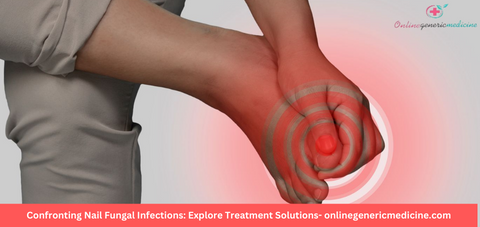
Nail Fungus Medications
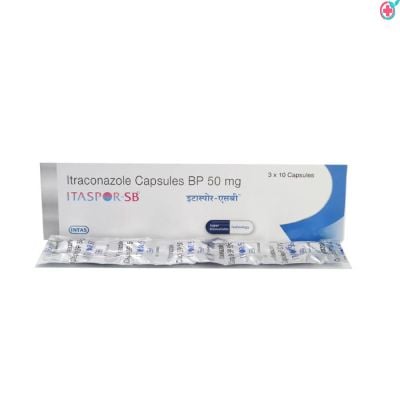
- Generic: ItraconazoleTrade Name: Sporanox30 Capsule/s$12.00
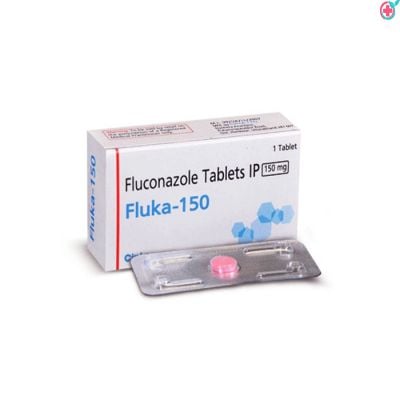
- Generic: FluconazoleTrade Name: Diflucan15 Tablet/s$23.50
- Generic: ItraconazoleTrade Name: Sporanox30 Capsule/s$15.00
- Generic: ItraconazoleTrade Name: Sporanox30 Capsule/s$15.00
- Generic: ItraconazoleTrade Name: Sporanox28 Capsule/s$15.40
- Generic: ItraconazoleTrade Name: Sporanox1 Battle$6.17
- Generic: Terbinafine + KetoconazoleTrade Name:30 Tablet/s$10.45

Nail fungus, medically known as onychomycosis, is a common condition that affects both fingernails and toenails. Characterized by discoloration, thickening, and brittleness, it can lead to discomfort and self-consciousness if left untreated. Our curated selection of antifungal treatments offers effective solutions to combat nail fungus and restore nail health.
Causes and Risk Factors
Nail fungus is primarily caused by dermatophytes, yeasts, and molds that thrive in warm, moist environments. Common risk factors include:
- Poor foot hygiene
- Frequent exposure to damp environments
- Wearing tight or non-breathable footwear
- Walking barefoot in communal areas like gyms or pools
- Underlying health conditions such as diabetes or compromised immunity
Treatment Options
Effective treatment of nail fungus involves a combination of approaches, depending on the severity of the infection:
- Topical Antifungal Treatments
Ideal for mild to moderate infections, topical treatments are applied directly to the affected nails. They work by penetrating the nail to eliminate the fungus at its source. - Oral Antifungal Medications
For more severe or persistent infections, oral medications may be prescribed. These systemic treatments work from within the body to eradicate fungal infections. - Laser Therapy
An emerging treatment, laser therapy targets fungal infections with focused light energy, offering a non-invasive alternative with promising results.
How to use:
Topical Treatments (Creams, Gels, Lacquers):
- Wash and dry the affected area thoroughly.
- Apply a thin layer to the affected nail(s) and surrounding skin once or twice daily as directed.
- Let the product dry completely before putting on socks or shoes.
- Continue using the treatment for several weeks to months, even if the nail looks better—fungal infections can take time to fully clear.
Oral Treatments (e.g., Terbinafine, Itraconazole):
- Take exactly as prescribed by your doctor—usually once daily for 6–12 weeks.
- May be taken with or without food, but always follow label instructions.
- Do not stop the medicine early, even if symptoms improve, unless advised by your doctor.
Precautions:
- Medical Conditions: Inform your doctor if you have liver disease, kidney disease, diabetes, or a weakened immune system.
- Pregnancy & Breastfeeding: Use only if prescribed by a healthcare provider. Some antifungals may pose risks during pregnancy.
- Children & Elderly: Use with caution and under medical advice.
- Avoid eye contact when applying topicals. Do not apply to open wounds or broken skin.
- Hygiene: Keep feet/nails clean and dry. Avoid sharing nail clippers or walking barefoot in public areas.
Possibe Side Effects
Topical Treatments:
- Skin irritation, redness, or burning sensation
- Itching or dryness at the site
- Peeling or flaking skin
- Discoloration of the treated nail (rare)
Oral Treatments:
- Nausea or stomach upset
- Headache or dizziness
- Skin rash or itching
- Liver damage (rare but serious) – regular liver function monitoring may be required
- Changes in taste or appetite
Stop using the product and seek medical attention if you notice severe allergic reactions like swelling, difficulty breathing, or severe rash.
Drug Interactions
Topical treatments generally have minimal interactions with other drugs.
Oral antifungals (like terbinafine or itraconazole) may interact with:
- Warfarin (blood thinner)
- Certain antibiotics (e.g., erythromycin)
- Heart medications (e.g., digoxin)
- Antacids or acid reducers (may lower absorption)
- Other antifungals or antivirals
Frequently Asked Questions (FAQs)
Q1: How long does it take to see results from nail fungus treatments?
A: Treatment duration varies based on the severity of the infection and the chosen method. Topical treatments may take several months, while oral medications can show results in 6 to 12 weeks. Laser therapies may require multiple sessions for optimal outcomes.
Q2: Can I use over-the-counter treatments for severe nail fungus?
A: Over-the-counter treatments are typically best suited for mild to moderate infections. Severe cases often require prescription medications or professional interventions.
Q3: Are natural remedies effective against nail fungus?
A: Natural remedies like tea tree oil may offer relief for minor infections but are generally less effective than medical treatments for more severe cases.
Q4: Is laser therapy safe for treating nail fungus?
A: Yes, laser therapy is considered a safe and non-invasive treatment option. However, it's essential to consult with a healthcare professional to determine if it's suitable for your specific condition.
Q5: How can I prevent nail fungus from recurring?
A: Maintain good foot hygiene, keep nails trimmed and dry, wear breathable footwear, and avoid walking barefoot in communal areas to reduce the risk of reinfection.

