
Pain Relief Medication
- Generic: MethylcobalaminTrade Name: Methycobal Inj1 Vial/s$3.30
- Generic: MethylcobalaminTrade Name: Methycobal Inj1 Vial$1.06
- Generic: MethylcobalaminTrade Name: Methycobal Inj30 Tablet/s$58.00
- Generic: IbuprofenTrade Name: Advil30 Tablet/s$4.00
- Generic: Diclofenac SodiumTrade Name: Voltaren30 Tablet/s$58.00
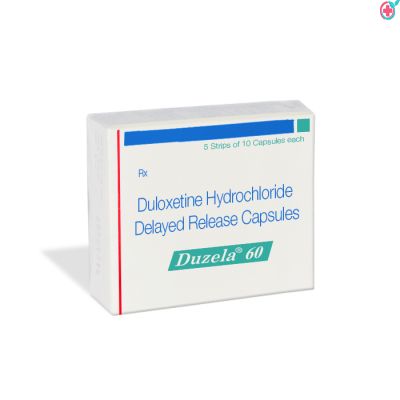
- Generic: DuloxetineTrade Name: Cymbalta30 Tablet/s$8.00
- Generic: Duloxetine + MethylcobalaminTrade Name:30 Tablet/s$8.13
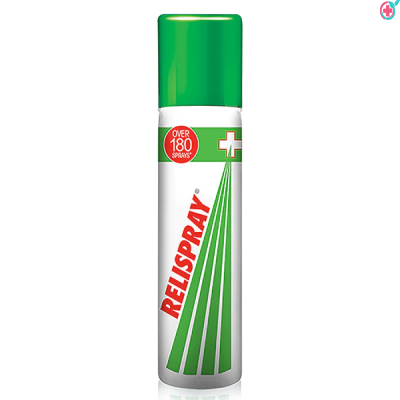

Pain relief refers to the alleviation or reduction of discomfort or pain, often through various medical, therapeutic, or self-care approaches. Effective pain relief is essential for improving quality of life and facilitating the recovery process. Here's an overview of pain relief methods and strategies:
1. Over-the-Counter (OTC) Medications:
-Nonsteroidal Anti-Inflammatory Drugs (NSAIDs):
- OTC NSAIDs like ibuprofen and naproxen can help reduce pain and inflammation.
-Acetaminophen:
- An analgesic that helps relieve pain and reduce fever.
2. Prescription Medications:
-Opioids:
- Strong pain relievers prescribed for moderate to severe pain. Their use requires careful monitoring due to the risk of dependence and side effects.
-Muscle Relaxants:
- Prescribed to alleviate muscle spasms and associated pain.
-Antidepressants and Anticonvulsants:
- These medications may be prescribed for certain types of chronic pain, such as neuropathic pain.
3. Topical Analgesics:
- Creams, Gels, or Patches:Applied directly to the skin, containing ingredients like menthol or NSAIDs for localized pain relief.
4. Physical Therapy:
-Exercise and Stretching:
- Tailored exercises to improve flexibility, strength, and reduce pain.
-Manual Therapy:
- Hands-on techniques like massage or manipulation to relieve pain and improve mobility.
5. Heat and Cold Therapy:
-Heat Packs:
- Applied to the affected area to increase blood flow and relax muscles.
-Cold Packs:
- Used to reduce inflammation and numb the area.
6. Lifestyle Modifications:
-Maintaining Healthy Weight:
- Reducing excess weight can alleviate joint pain and strain on the body.
-Ergonomic Adjustments:
- Ensuring proper posture and ergonomics to prevent or reduce chronic pain.
7. Mind-Body Techniques:
-Relaxation Techniques:
- Practices such as deep breathing, meditation, or guided imagery to manage stress and pain.
-Biofeedback:
- Learning to control physiological responses to reduce pain.
8. Injection Therapies:
-Corticosteroid Injections:
- Used to reduce inflammation and pain in specific areas, such as joints.
-Nerve Block Injections:
- Targeting specific nerves to interrupt pain signals.
9. Alternative Therapies:
-Acupuncture:
- Traditional Chinese medicine involving the insertion of thin needles to stimulate specific points.
-Chiropractic Care:
- Manipulation of the spine and joints to alleviate pain.
10. Cognitive-Behavioral Therapy (CBT):
- Addressing Psychological Aspects:CBT helps individuals manage pain by addressing negative thought patterns and developing coping strategies.
11. Surgical Interventions:
- For Severe Cases:In some cases, surgery may be recommended to address the underlying cause of chronic pain.
Conclusion:
Pain relief approaches vary depending on the type and severity of pain. A multidisciplinary approach, involving healthcare professionals, lifestyle modifications, and various therapies, is often effective in managing and reducing pain for improved overall well-being. Always consult with a healthcare provider for personalized advice based on individual health conditions.

