
Nutritional Medicines
- Generic: MethylcobalaminTrade Name: Methycobal Inj1 Vial$1.06
- Generic: Folic acid + LactobacillusTrade Name: Restora30 Tablet/s$3.33
- Generic: Methylcobalamin, Pyridoxine, and Folic Acid.Trade Name:30 Tablet/s$14.01
- Generic: L-methyl folate calcium + methylcobalamin+ pyridoxal-5 phosphate + DHA.Trade Name:30 Capsule/s$21.95
- Generic: Vitamins, Minerals, Melatonin, Biotin and Millet Seed Extract TabletsTrade Name:30 tablet/S$22.54
- Generic: Eicosapentaenoic Acid+ Docosahexaenoic Acid+ Alpha Lipoic Acid+ Vitamin C+ Vitamin E Acetate+ Betacarotene ( Dispersion)+ Vitamin B+ Vitamin B Folic Acid-+ Vitamin B + Zinc (as zinc sulfate Monohydrate)+ Selenium (as Sodium Selenate )+ Chromium (as ChromiTrade Name:30 Capsule/s$8.34
- Generic: Eicosapentaenoic Acid+ Docosahexaenoic Acid+ Alpha Lipoic Acid+ Vitamin C+ Vitamin E Acetate+ Betacarotene ( Dispersion)+ Vitamin B+ Vitamin B Folic Acid-+ Vitamin B + Zinc (as zinc sulfate Monohydrate)+ Selenium (as Sodium Selenate )+ Chromium (as ChromiTrade Name:30 Tablet/s$8.25
- Generic: Pyridoxine HCI, Niacinamide, Cyanocobalamin, Folic Acid With Chromium, Zinc & SeleniumTrade Name:30 Tablet/s$3.60
- Generic: Glucosamine HCl , Chondroitin Sulphate (100mg), Collagen Peptide Type-II and Rosehip ExtractTrade Name: NutraHarmony30 Tablet/s$14.90
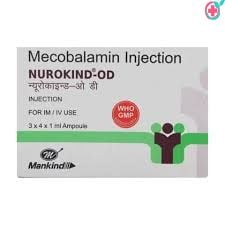


Nutrition care is a comprehensive approach to promoting and maintaining health through a balanced and well-rounded diet. It involves making informed dietary choices to meet individual nutritional needs, support overall well-being, and prevent or manage health conditions. Here's an overview of key aspects of nutrition care:
Components of Nutrition Care:
1. Balanced Diet:
- Emphasizes a variety of foods from different food groups, including fruits, vegetables, whole grains, lean proteins, and dairy or dairy alternatives.
2. Portion Control:
- Moderation in portion sizes to ensure a balanced intake of nutrients without overconsumption of calories.
3. Nutrient Adequacy:
- Ensuring the intake of essential nutrients, including vitamins, minerals, protein, carbohydrates, and fats, to meet individual needs.
4. Hydration:
- Maintaining adequate fluid intake to support bodily functions, including digestion, circulation, and temperature regulation.
5. Individualized Plans:
- Tailoring dietary recommendations based on individual factors such as age, gender, activity level, health status, and specific dietary requirements.
Goals of Nutrition Care:
1. Optimal Health:
- Promoting overall health and well-being by providing the body with the necessary nutrients for proper functioning.
2. Disease Prevention:
- Addressing dietary factors to reduce the risk of chronic diseases such as heart disease, diabetes, and certain cancers.
3. Weight Management:
- Supporting healthy weight through a combination of balanced nutrition and regular physical activity.
4. Management of Health Conditions:
- Developing dietary strategies to manage and control existing health conditions, such as diabetes, hypertension, and gastrointestinal disorders.
5. Performance Enhancement:
- Providing nutritional support for athletes and individuals with specific performance goals to optimize energy levels and recovery.
Nutrition Care Process:
1. Assessment:
- Evaluation of dietary habits, health history, and individual needs to identify areas for improvement.
2. Diagnosis:
- Identification of nutritional issues or concerns that require attention.
3. Intervention:
- Implementation of personalized nutrition plans, including dietary recommendations, meal planning, and education.
4. Monitoring and Evaluation:
- Regular assessment of progress, adjustments to the nutrition plan as needed, and tracking outcomes.
Common Nutrition Principles:
1. Variety:
- Including a diverse range of foods to ensure a broad spectrum of nutrients.
2. Moderation:
- Consuming foods in appropriate portions to maintain balance.
3. Whole Foods:
- Prioritizing whole, minimally processed foods over highly processed and refined options.
4. Mindful Eating:
- Being aware of hunger and fullness cues, eating with intention, and savoring the flavors of food.
Seeking Professional Guidance:
1. Registered Dietitian Nutritionists (RDNs):
- Certified professionals who can provide personalized nutrition advice based on individual needs and health goals.
2. Healthcare Providers:
- Collaborating with healthcare professionals for specialized dietary recommendations, especially for managing specific health conditions.
Conclusion:
Nutrition care is a fundamental aspect of overall health and well-being, encompassing a holistic approach to dietary choices. Adopting a balanced and mindful approach to nutrition, along with seeking professional guidance when needed, contributes to a healthy lifestyle and the prevention or management of health conditions.

