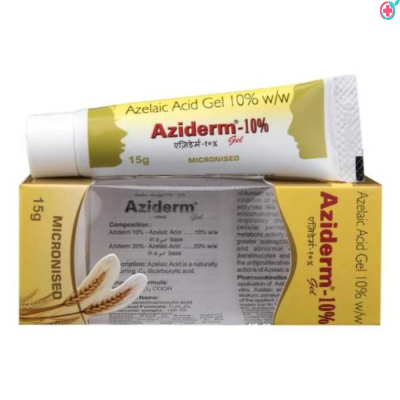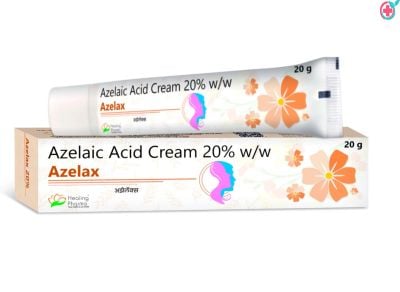
Aziderm Cream (Azelaic Acid): Finacea Cream – Used to Treat Mild-To-Moderate Inflamed Acne (Pimples)
Buy Aziderm Cream 10% online,Aziderm Cream is a gel that is applied topically on the skin. It contains azelaic acid, which is a naturally occurring acid. Aziderm Cream helps the skin to renew itself faster and thus reduces the formation of pimples and blackheads. It also has antibacterial properties that can help to eliminate the bacteria responsible for acne and rosacea. Aziderm Gel is primarily used to treat mild to moderate rosacea, a skin condition characterized by red eruptions, typically on the cheeks and nose. However, it may also have other uses not mentioned in this medication guide.


Product Overview
Aziderm Cream contains Azelaic Acid, a naturally occurring dicarboxylic acid found in grains like wheat, barley, and rye. Aziderm Cream is a topical medication widely used for the treatment of mild-to-moderate acne vulgaris and inflammatory rosacea. Unlike many other acne treatments, Azelaic Acid is known for its ability to clear acne while also addressing post-inflammatory hyperpigmentation, making it a dual-benefit agent for problematic skin.
Product Composition
- Active Ingredient: Azelaic Acid (typically available in 10%, 15%, or 20% concentrations).
- Base: A specialized cream formulation designed for optimal absorption and skin compatibility.
- Key Characteristic: Non-comedogenic and generally well-tolerated by individuals with sensitive skin.
Product Specifications
| Feature | Details |
| Brand Name | Aziderm Cream |
| Generic Name | Azelaic Acid |
| Therapeutic Category | Topical Dicarboxylic Acid (Anti-acne/Anti-rosacea) |
| Primary Use | Acne vulgaris and inflammatory rosacea |
Mechanism of Action
- Antimicrobial Action: It inhibits the growth of Cutibacterium acnes, the bacteria primarily responsible for the development of acne, directly within the hair follicles.
- Keratinization Normalization: It reduces the production of keratin, a protein that can block pores and contribute to the formation of comedones (blackheads and whiteheads).
- Anti-Inflammatory Effect: It significantly reduces the inflammation associated with rosacea and acne by neutralizing free radicals, thereby soothing redness and swelling.
- Depigmenting Property: It specifically inhibits the activity of tyrosinase, an enzyme involved in melanin production, which helps fade dark spots and acne-related hyperpigmentation over time.
Key Benefits
- Dual Action: Effectively treats active acne breakouts while simultaneously fading post-acne dark spots.
- High Tolerability: Often causes less irritation and dryness compared to retinoids or benzoyl peroxide, making it suitable for long-term use.
- Sun Sensitivity: Unlike many other acne medications, it does not typically increase the skin's sensitivity to sunlight.
- Safe for Maintenance: Ideal for long-term maintenance therapy to prevent the recurrence of acne and rosacea symptoms.
Precautions
Medical Supervision
- Use Aziderm Cream (Azelaic Acid) as prescribed by a healthcare professional
- Do not exceed recommended frequency or duration
- Inform your doctor if there is no improvement or worsening of symptoms
Application Guidelines
- Apply a thin layer on clean, dry skin
- Usually used once or twice daily as directed
- Wash hands before and after application
- Avoid contact with eyes, mouth, and mucous membranes
Skin Sensitivity
- Mild burning, tingling, or irritation may occur initially
- Avoid using harsh scrubs, exfoliants, or alcohol-based products
- Reduce frequency if irritation becomes severe
Sun Exposure
- Skin may become more sensitive to sunlight
- Use sunscreen daily and limit sun exposure
- Avoid tanning during treatment
Combination Use
- Avoid combining with strong acne treatments or chemical peels unless prescribed
- Use caution with other topical medications to prevent irritation
Special Populations
- Generally safe but pregnant and breastfeeding women should consult a doctor before use
- Use in children only under medical supervision
- Suitable for most skin types, but patch testing is recommended
| Precaution Type | Recommendation |
|---|---|
| Application area | External use only |
| Frequency | Use as prescribed |
| Skin sensitivity | Mild irritation may occur initially |
| Sun protection | Use sunscreen daily |
| Combination therapy | Avoid strong actives unless advised |
| Monitoring | Stop if severe irritation develops |
Usage
Aziderm Cream (Azelaic Acid) is well-tolerated and suitable for long-term use. Following a consistent routine is the most effective way to manage acne and hyperpigmentation while minimizing potential irritation.
Dosage
Frequency: Apply a thin layer to the affected area twice daily, once in the morning and once in the evening, or as directed by your physician.
Treatment Duration: Results are cumulative. Plan for a consistent course of 8 to 12 weeks to achieve therapeutic goals for acne or hyperpigmentation.
Maintenance: Azelaic Acid is suitable for long-term use as a maintenance therapy to prevent the return of acne and manage skin tone.
Administration
Preparation: Cleanse the affected area with a gentle, non-irritating cleanser. Pat the skin dry completely.
Technique: Apply a thin, uniform layer of the cream to the entire area of skin affected by acne or rosacea. Gently massage it until fully absorbed.
Hygiene: Wash your hands thoroughly after applying the medication to ensure it does not transfer to unintended areas.
Skincare Integration: If using other skincare products, apply the Aziderm Cream after cleansing and before heavier moisturizers or sunscreen.
Administration Guidelines
| Instruction | Recommended Action |
| Timing | Apply twice daily (morning and evening) |
| Preparation | Apply to clean, dry skin |
| Technique | Massage a thin layer until absorbed |
| Consistency | Use daily for at least 8-12 weeks |
Uses
Acne Vulgaris Management: Effectively treats mild-to-moderate acne by reducing bacterial growth and preventing pore blockage.
Inflammatory Rosacea: Calms the redness, swelling, and sensitivity associated with rosacea flare-ups.
Hyperpigmentation Reduction: Specifically targets and fades dark spots and acne-related discoloration by regulating pigment production.
Gentle Exfoliation: Encourages normal skin cell turnover, which helps maintain a clear and refined skin texture.
Side effects
Common Side Effects
- Mild burning or stinging sensation
- Skin redness
- Itching or irritation
- Dryness or peeling
- Tingling at application site
Less Common Side Effects
- Skin discoloration (lightening or darkening in rare cases)
- Increased sensitivity to sunlight
- Mild swelling or discomfort
- Acne flare-up in early stages
Serious Side Effects
| Serious Side Effect | Symptoms | What to Do |
|---|---|---|
| Severe allergic reaction | Rash, swelling, difficulty breathing | Stop use immediately and seek medical help |
| Severe irritation | Intense redness, burning, or pain | Discontinue and consult doctor |
| Persistent skin discoloration | Noticeable uneven skin tone changes | Seek medical advice |
| Contact dermatitis | Severe itching, rash, inflammation | Stop use and consult doctor |
| Worsening skin condition | Increased acne, redness, or irritation | Consult dermatologist |
Monitoring
Skin Response Monitoring
- Mild irritation may occur initially and usually improves with time
- Monitor improvement in acne, pigmentation, or skin texture
- Adjust frequency if irritation becomes excessive
Sensitivity Monitoring
- Watch for increased sensitivity to sunlight
- Use sunscreen regularly and avoid prolonged sun exposure
Allergy Monitoring
- Discontinue if rash, swelling, or severe itching develops
- Avoid re-use if allergic reaction is suspected
Effectiveness Monitoring
- Track reduction in acne, dark spots, or redness over time
- Consult a doctor if no improvement is seen within expected duration
FAQs
Q: What is Aziderm Cream primarily used for?
A: Aziderm Cream is primarily used to treat mild-to-moderate acne vulgaris and inflammatory rosacea. It is also effective in reducing hyperpigmentation, such as dark spots left behind after acne heals.
Q: How does Azelaic Acid work differently from other acne treatments?
A: Azelaic Acid is a multifunctional agent that kills acne-causing bacteria, prevents pores from becoming clogged, reduces inflammation, and inhibits the pigment-producing cells that cause dark spots, all while being generally gentler than many other acne medications.
Q: Can I use this for acne-related dark spots?
A: Yes, one of the key benefits of Aziderm is its ability to inhibit tyrosinase, which helps to lighten and fade post-inflammatory hyperpigmentation over time.
Q: How long does it take to see results?
A: As with most topical treatments, consistency is key. While some improvement may be visible sooner, it typically takes 4 to 8 weeks of regular use to see significant clearing of acne or reduction in hyperpigmentation.
Q: Can I use Aziderm during the day?
A: Yes, unlike many retinoids, Azelaic Acid is generally not light-sensitive, meaning it can be applied in the morning and evening. However, always follow with a sunscreen during the day for overall skin health.
Q: What are the common side effects?
A: Some users may experience mild, temporary side effects when starting treatment, such as itching, burning, tingling, or dryness. These symptoms usually subside as the skin adjusts to the medication.
Q: Can I use it alongside other skincare products?
A: Azelaic Acid is generally well-tolerated. It can often be combined with other treatments, but it is best to introduce it gradually and consult your dermatologist to ensure your specific routine is balanced and non-irritating.
Q: Does it cause a "purge" like retinoids?
A: While some individuals may notice a temporary increase in breakouts during the initial phase as pores are cleared, many people find that Azelaic Acid causes less significant "purging" and irritation compared to traditional retinoids.
Interactions
Other Acne Treatments
- Use caution when combining Aziderm Cream (Azelaic Acid) with retinoids, benzoyl peroxide, or strong acne medications
- May increase dryness, redness, and skin irritation
- If prescribed together, apply at different times
Exfoliating Agents (AHAs/BHAs)
- Avoid glycolic acid, salicylic acid, lactic acid, and chemical peels on the same area
- These combinations can increase sensitivity and cause excessive irritation
- Use only under dermatological guidance
Alcohol-Based Skincare Products
- Toners or cleansers with alcohol may worsen dryness and irritation
- Can reduce skin tolerance to treatment
- Prefer gentle, hydrating skincare products
Skin Lightening or Depigmenting Agents
- May be used with other pigmentation treatments only if advised
- Unsupervised combination may cause irritation or uneven skin response
Cosmetic Products
- Heavy or comedogenic makeup may clog pores and reduce effectiveness
- Allow cream to fully absorb before applying cosmetics
- Use non-comedogenic products for better results
Medicated Topicals
- Avoid using multiple medicated creams on the same area without guidance
- Overlapping treatments may increase irritation or reduce effectiveness
| Interacting Product Type | Possible Effect | Recommendation |
|---|---|---|
| Retinoids / acne treatments | Dryness, redness, irritation | Use with caution |
| AHAs/BHAs exfoliants | Increased sensitivity and irritation | Avoid combination |
| Alcohol-based products | Skin dryness and irritation | Avoid during treatment |
| Depigmenting agents | Irritation or uneven effect | Use only if prescribed |
| Cosmetics | Reduced effectiveness | Use non-comedogenic products |
| Multiple medicated creams | Increased irritation | Follow doctor advice |
| Manufacturer | : | A. Menarini India Pvt Ltdine HCL) |
| Trade Name | : | Finacea Cream |
| Generic Search | : | Azelaic Acid |
| Strength | : | 10 % (15gm), 20% (15gm) |
Certified Content

Dr. Priya Nair
Clinical Pharmacist & Senior Drug Information Specialist | 9 years
Pharm.D. (Doctor of Pharmacy)
Latest Products