
Nasal Congestion Medicines
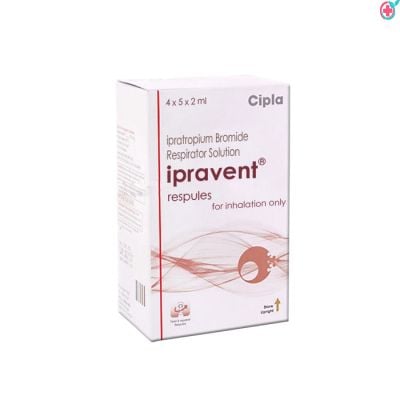
- Generic: Ipratropium BromideTrade Name: Atrovent respules30 Respule/s$11.00
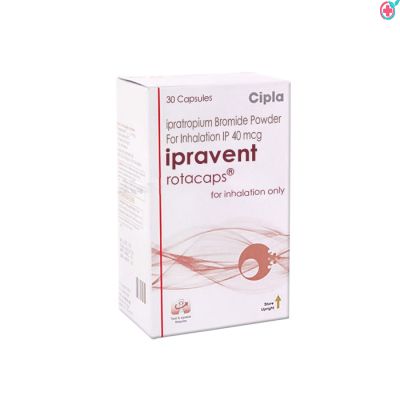
- Generic: Ipratropium BromideTrade Name: Atrovent30 Rotacaps$2.50
- Generic: Mometasone FuroateTrade Name: Nasonex1 Bottle$15.94
- Generic: LevocetirizineTrade Name: Xyzal50 Tablet/s$11.20
- Generic: Montelukast SodiumTrade Name: Singulair30 Tablet/s$11.24
- Generic: Montelukast & LevocetrizineTrade Name: Montair LC Kid30 Tablet/s$13.00
- Generic: Mometasone FuroateTrade Name: Nasonex1 Nasal Spray$19.06
- Generic: MontelukastTrade Name: Singulair28 Tablet/s$16.00
- Generic: LevocetirizineTrade Name: Xyzal30 Tablet/s$7.20
- Generic: Vasaka+Tulsi+HaldiTrade Name:1 Cream/s$2.23
- Generic: Nitric oxideTrade Name:1 Bottle's$28.33
- Generic: GuaifenesinTrade Name: Mucinex30 Tablet/s$12.57

Nasal congestion, commonly referred to as a blocked nose, occurs when the nasal passages become swollen or inflamed, hindering the normal flow of air. This condition can be caused by various factors, and it often leads to discomfort, difficulty breathing, and disrupted sleep. Here's an overview of nasal congestion, its causes, symptoms, and potential remedies:
Causes:
1. Common Cold or Flu:
- Viral infections, such as the common cold or influenza, can cause nasal congestion.
2. Sinus Infections:
- Inflammation of the sinuses, often due to bacterial infections, can lead to a blocked nose.
3. Allergies:
- Allergic reactions to pollen, dust, pet dander, or other allergens can result in nasal congestion.
4. Environmental Irritants:
- Exposure to smoke, pollution, or strong odors can irritate the nasal passages and cause congestion.
5. Deviated Septum:
- A deviated septum, where the cartilage separating the nostrils is off-center, can contribute to nasal blockage.
6. Nasal Polyps:
- Soft, noncancerous growths on the lining of the nasal passages can lead to congestion.
7. Pregnancy:
- Hormonal changes during pregnancy can cause nasal congestion.
Symptoms:
1. Difficulty Breathing:
- Reduced airflow through the nasal passages can make breathing challenging.
2. Runny Nose:
- Nasal congestion is often accompanied by a runny or stuffy nose.
3. Sneezing:
- Irritation in the nasal passages can trigger sneezing.
4. Sinus Pressure:
- Some individuals may experience pressure or pain in the sinuses.
5. Sleep Disruption:
- Nasal congestion can interfere with sleep, leading to snoring or difficulty breathing while lying down.
Home Remedies:
1. Humidification:
- Using a humidifier to add moisture to the air can help alleviate nasal congestion.
2. Nasal Saline Rinse:
- Rinsing the nasal passages with a saline solution can reduce congestion and promote drainage.
3. Warm Compress:
- Applying a warm compress over the nose can provide relief.
4. Hydration:
- Staying hydrated helps thin mucus and makes it easier to clear.
5. Elevating the Head:
- Sleeping with the head elevated can minimize nasal congestion during sleep.
6. Over-the-Counter Decongestants:
- Short-term use of decongestant nasal sprays or oral medications can provide relief, but extended use should be avoided.
When to Seek Medical Attention:
1. Persistent Symptoms:
- If nasal congestion persists for more than 10 days or worsens over time.
2. Severe Pain:
- If there is severe facial pain or pressure.
3. Fever:
- If fever accompanies nasal congestion.
4. Green or Yellow Discharge:
- If nasal discharge is green or yellow, indicating a possible bacterial infection.
5. Breathing Difficulties:
- If nasal congestion significantly interferes with breathing, especially in infants.
Conclusion:
Nasal congestion is a common and usually temporary condition. Home remedies can often provide relief, but persistent or severe symptoms may require medical attention. Identifying and addressing the underlying cause, whether it's an infection, allergy, or structural issue, is essential for effective management.

