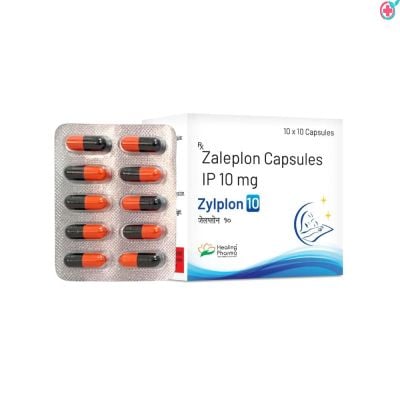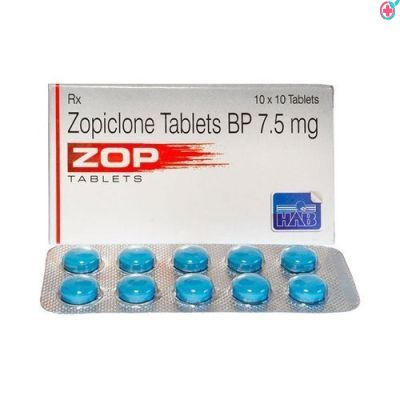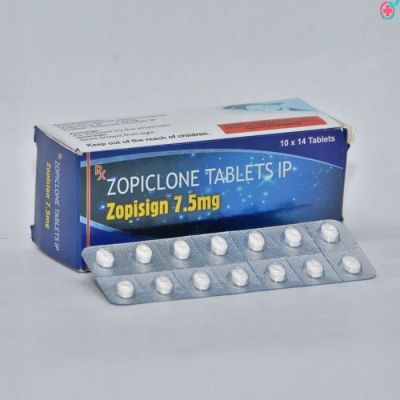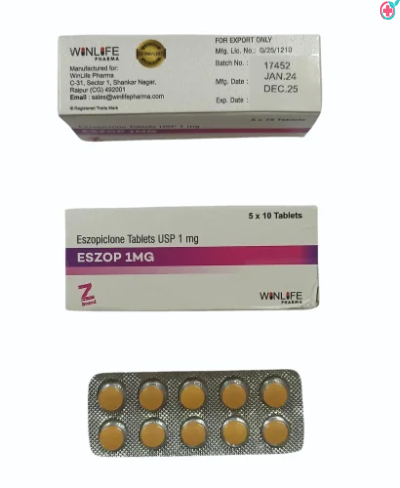
Zapsign Capsule (Zaleplon) | Sonata Alternative | Used to Treat Insomnia (Trouble Sleeping)
Zapsign Capsule contains Zaleplon, a short-acting sedative-hypnotic medicine used for the treatment of insomnia, especially difficulty in falling asleep. Zaleplon doesn't assist you with staying unconscious longer or decline the times that you stir during the evening.


Product Overview
Zapsign Capsule is a sedative-hypnotic medication containing Zaleplon. Zapsign capsules are primarily used to treat insomnia. However, they can also be used to treat other sleep disorders such as jet lag and sleep apnea. It belongs to the non-benzodiazepine class of drugs, often referred to as "Z-drugs." Zaleplon is unique due to its ultra-short half-life, which allows it to help patients fall asleep quickly without causing significant "hangover" effects or daytime grogginess the following morning, provided the patient has at least 4 hours of dedicated sleep time.
Product Composition
- Active Ingredient: Zaleplon.
- Drug Class: Non-benzodiazepine hypnotic (Pyrazolopyrimidine).
- Formulation: Oral capsules (typically available in 5mg and 10mg strengths).
- Key Characteristic: Rapid onset of action with a very short duration, specifically formulated for middle-of-the-night use or immediate sleep induction.
Product Specification
| Feature | Details |
| Therapeutic Class | Sedative-Hypnotic |
| Primary Indication | Insomnia (difficulty falling asleep) |
| Mechanism | GABA-A receptor modulation |
| Administration | Oral |
| Storage | Store at controlled room temperature (20°C–25°C); protect from light and moisture |
Mechanism of Action
- Selective GABA Modulation: Zaleplon interacts selectively with the GABA-A receptor complex, specifically the omega-1 receptor subtype. This enhances the inhibitory effects of the neurotransmitter GABA in the central nervous system.
- Rapid Onset: Due to its rapid absorption and metabolism, it induces sleep very quickly, making it ideal for those who struggle specifically with sleep onset.
- Short Half-Life: Its rapid clearance means it does not linger in the system, significantly reducing the risk of next-day sedation compared to other sleep medications.
Key Benefits
- Ultra-Short Duration: Perfect for patients who need to fall asleep but must wake up early, as it clears the body faster than most other hypnotics.
- Middle-of-the-Night Flexibility: Can be taken even after the patient has gone to bed and discovered they cannot fall asleep, provided they have at least 4 hours remaining before their planned wake-up time.
- Low "Hangover" Potential: Minimal risk of morning impairment, helping patients wake up feeling refreshed and alert.
- Minimal Tolerance: Less likely to cause the "rebound" insomnia or dependence often associated with long-acting benzodiazepines when used as directed for short-term therapy.
Precautions
Important precautions for Zapsign Capsule (Zaleplon)
Drowsiness and CNS effects
- May cause drowsiness, dizziness, and reduced alertness
- Avoid driving or operating heavy machinery after taking the dose
- Do not perform activities requiring full mental focus
- Take only when you are ready for a full night’s sleep
Dependence and usage precautions
- Risk of dependence with prolonged use
- Use only for short-term treatment as prescribed
- Do not increase dose without medical advice
- Avoid abrupt discontinuation if used regularly
Alcohol and sedative precautions
- Avoid alcohol as it increases sedation and side effects
- Do not combine with other sleeping pills or sedatives
- CNS depressants may enhance drowsiness and breathing risk
- Inform doctor about all medications being taken
Mental health precautions
- Use cautiously in patients with depression or anxiety disorders
- May cause mood changes or unusual behavior in some individuals
- Report confusion, agitation, or hallucinations immediately
- Close monitoring may be required in psychiatric conditions
General usage precautions
- Take only right before bedtime
- Ensure 7–8 hours of sleep time available after dose
- Not intended for long-term daily use
- Store safely away from children
Safety overview table
| Area of caution | Precaution guidance |
|---|---|
| CNS effects | Causes drowsiness, avoid driving |
| Dependence risk | Use only short term as prescribed |
| Alcohol use | Strictly avoid with medication |
| Mental health | Monitor for mood or behavior changes |
Usage
Dosage
The dose must be individualized. The lowest effective dose should be used to minimize the risk of morning impairment.
| Patient Category | Typical Dose |
| Standard Adult Dose | 10 mg |
| Elderly / Hepatic Impairment | 5 mg |
Administration
Timing: Take immediately before retiring to bed or after you have gone to bed and are unable to fall asleep.
Sleep Window: Ensure you have at least 4 hours of dedicated time to sleep. Do not take it if you must be active within the next 4 hours.
Method: Swallow the capsule whole with water. Do not crush or chew.
Environment: Ensure you are in a quiet, dark environment ready for sleep before taking the dose.
Storage: Keep at controlled room temperature, away from light, moisture, and reach of children.
Uses
Insomnia (Sleep-Onset): Indicated specifically for the management of insomnia characterized by difficulty falling asleep.
Sleep Maintenance (Limited): While primary focus is on sleep onset, its rapid action allows for supplemental use in cases of middle-of-the-night awakening when at least 4 hours of sleep time remain.
Short-Term Sedation: Used for patients requiring temporary assistance to reset a disrupted sleep-wake cycle under physician supervision.
Low Residual Effect Management: Serves as a clinical alternative for patients who have previously experienced excessive next-day daytime somnolence with longer-acting hypnotics.
Side effects
Common side effects
- Drowsiness or sleepiness
- Dizziness or lightheadedness
- Headache
- Fatigue or weakness
Nervous system effects
- Confusion or poor concentration
- Memory impairment (especially short-term)
- Coordination problems
- Slurred speech (rare)
Gastrointestinal effects
- Nausea
- Dry mouth
- Abdominal discomfort
- Changes in appetite
Behavioral and sleep-related effects
- Unusual dreams or nightmares
- Restlessness or agitation
- Sleepwalking or complex sleep behaviors (rare)
- Next-day grogginess
Less common side effects
- Mood changes or irritability
- Depression or anxiety worsening in some individuals
- Blurred vision
- Tingling sensation
Serious side effects (rare)
- Severe allergic reactions (rash, swelling, breathing difficulty)
- Severe confusion or hallucinations
- Dangerous sleep behaviors (e.g., eating/driving while not fully awake)
- Severe respiratory depression when combined with other sedatives
Side effects summary table
| System affected | Possible reaction |
|---|---|
| Nervous system | Drowsiness, dizziness, confusion |
| Cognitive | Memory issues, poor concentration |
| Behavioral | Sleepwalking, unusual sleep activities |
| Gastrointestinal | Nausea, dry mouth |
| General | Fatigue, headache |
FAQs
Q: What is Zapsign (Zaleplon) used for?
A: Zapsign is indicated for the short-term treatment of insomnia. It is specifically designed to help patients who have difficulty falling asleep.
Q: Can I take this if I wake up in the middle of the night?
A: Yes, Zaleplon is unique because it has a very short duration of action. If you have trouble falling back asleep after waking in the middle of the night, you may take it, provided you have at least 4 hours of planned sleep time remaining before you need to wake up.
Q: How quickly does it work?
A: Zaleplon is known for its very rapid onset of action. It should be taken immediately before getting into bed or after you have gone to bed and are having difficulty falling asleep.
Q: Is it safe to drive the next morning?
A: Because it has an ultra-short half-life, Zaleplon is cleared from the body quickly. Most patients do not experience next-day grogginess. However, as with any sedative, you should ensure you are fully alert before driving or operating machinery the next morning.
Q: Can I take Zapsign with alcohol?
A: No. You should strictly avoid alcohol while taking Zapsign, as alcohol significantly increases the sedative effects and can lead to dangerous levels of respiratory depression or impaired coordination.
Q: What are the common side effects?
A: Common side effects include dizziness, headache, and drowsiness. Some individuals may experience mild memory disturbances or "sleep-eating/sleep-walking" behaviors, though these are rare.
Q: Is Zapsign habit-forming?
A: Like other sedative-hypnotics, there is a potential for dependence if used for long periods or in higher-than-recommended doses. It is intended for short-term use (usually 7–10 days). Consult your doctor if your insomnia persists beyond this time.
Q: Can I eat a large meal before taking it?
A: Taking Zapsign with a high-fat meal can delay its absorption and slow down how quickly it helps you fall asleep. It is best taken on an empty stomach or after a light meal.
Interactions
Drug interactions of Zapsign Capsule (Zaleplon)
Central nervous system (CNS) depressants
- Alcohol can significantly increase drowsiness, sedation, and breathing risk
- Opioid pain medicines may enhance sedation and respiratory depression
- Other sleeping pills or sedatives can cause excessive drowsiness
- Antihistamines may increase sleepiness and impaired alertness
Anxiolytics and psychiatric medicines
- Benzodiazepines may intensify sedative effects
- Antidepressants may increase CNS depression in some cases
- Antipsychotic medicines can enhance drowsiness and dizziness
- Combination requires careful medical supervision
Enzyme (CYP3A4) related interactions
- CYP3A4 inhibitors (certain antifungals, antibiotics) may increase Zaleplon levels
- CYP3A4 inducers may reduce effectiveness and shorten sleep duration
- Herbal supplements like St. John’s Wort may alter drug response
Pain and muscle relaxant medicines
- Muscle relaxants may increase sedation and coordination problems
- Strong painkillers may enhance CNS depression
- Combination use should be monitored carefully
General medication considerations
- Avoid combining with any medication that causes drowsiness unless prescribed
- Always inform doctor about all prescription and OTC medicines
- Use lowest effective dose when combined therapies are required
Drug interactions table
| Drug class | Interaction effect |
|---|---|
| Alcohol | Severe sedation and respiratory depression risk |
| Opioids | Increased CNS depression and drowsiness |
| Benzodiazepines/sedatives | Excessive sedation and impaired function |
| CYP3A4 inhibitors | Increased Zaleplon levels and side effects |
| CYP3A4 inducers | Reduced effectiveness of Zapsign |
| Manufacturer | : | A. Menarini India Pvt Ltdine HCL) |
| Trade Name | : | Sonata |
| Generic Search | : | Zaleplon |
| Strength | : | 10mg |
Certified Content

Dr. Priya Nair
Clinical Pharmacist & Senior Drug Information Specialist | 9 years
Pharm.D. (Doctor of Pharmacy)
Latest Products