
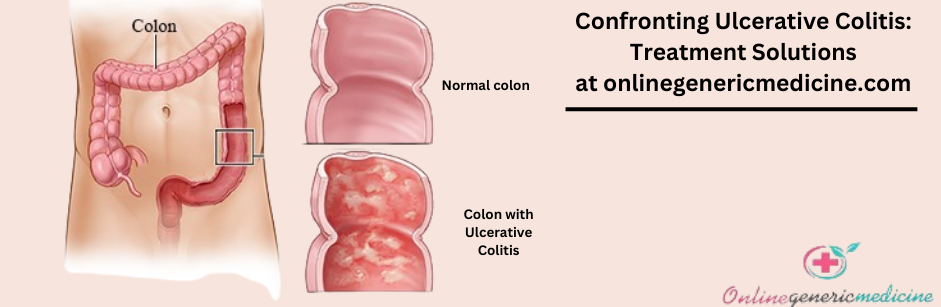
Ulcerative Colitis Medication
- Generic: HydrocortisoneTrade Name: Cortef50 Tablet/s$9.80
- Generic: HydrocortisoneTrade Name: Cortef10 Vial/s$13.60
- Generic: MesalamineTrade Name: Asacol30 Tablet/s$25.00
- Generic: MesalamineTrade Name: Asacol60 Tablet/s$38.53
- Generic: MesalamineTrade Name: Asacol30 Tablet/s$26.00
- Generic: MesalamineTrade Name: Asacol30 Sachet/s$40.00
- Generic: MesalamineTrade Name: Asacol28 Unit/s$75.00
- Generic: MesalazineTrade Name: Apriso30 Tablets$26.00
- Generic: MesalazineTrade Name: Apriso30 Tablets$30.00


Top Searches: | Generic Mesalamine | Apriso | Crohn’s Disease Medications |
Ulcerative Colitis Medication – Effective Treatment Options for Bowel Disease Management
Ulcerative Colitis (UC) is a chronic inflammatory bowel disease (IBD) that causes long-lasting inflammation and ulcers (sores) in the innermost lining of the large intestine (colon) and rectum. It is a condition that typically develops over time and may fluctuate between periods of active symptoms (flares) and periods of remission.
Common symptoms include:
- abdominal pain
- frequent diarrhea
- rectal bleeding
- urgency to defecate
- fatigue
- unintended weight loss.
The exact cause of Ulcerative Colitis is not fully understood, but it is believed to involve an abnormal immune response in which the body's immune system mistakenly attacks the cells of the digestive tract. Genetic predisposition, environmental triggers, and disruption of the gut microbiome may all play a role in its development.
Ulcerative Colitis medications are among the primary treatment options used to manage the condition. These medications aim to reduce inflammation, control symptoms, induce remission, and prevent relapse over time.
Common Sub-Categories of Ulcerative Colitis Medications
Ulcerative Colitis medications are available in several classes, each with distinct mechanisms of action, routes of administration, and suitability based on disease severity and individual patient response.
1. Aminosalicylates (5-ASA) Medication
Aminosalicylates (5-ASA) are among the most commonly used medications for treating mild to moderate ulcerative colitis. They work by reducing inflammation in the lining of the colon, which helps relieve symptoms such as diarrhea, abdominal pain, and rectal bleeding. These medications are often considered a first-line treatment because they are effective for many patients and are generally well tolerated. Doctors may prescribe aminosalicylates both to treat active flare-ups and to maintain remission once symptoms are under control. Aminosalicylates are commonly used for both inducing and maintaining remission in UC patients.
They are available in depending on the location and extent of inflammation:
- oral tablet
- capsule
- suppository
- enema forms
2. Corticosteroids Medication
Corticosteroids are used for moderate to severe flare-ups when inflammation needs to be controlled quickly. They work by quickly reducing inflammation in the colon and helping control symptoms such as severe diarrhea, abdominal pain, and rectal bleeding. Because they act faster than many other medications, corticosteroids are often used when quick symptom relief is needed. Corticosteroids are generally intended for short-term use during active flares and are not recommended as long-term maintenance therapy due to the risk of significant side effects with prolonged use.
3. Immunomodulator Medications
Immunomodulators work by modifying the activity of the immune system to reduce the inflammatory response in the colon. These medications are often prescribed when patients do not respond adequately to aminosalicylates or corticosteroids, or when long-term disease control is needed. Immunomodulators typically take several weeks to months to reach their full therapeutic effect. These medications usually take several weeks or months to start working and are often used when other treatments are not effective.
4. Biologic Medications
Biologic medications are advanced therapies derived from biological sources that target specific proteins involved in the inflammatory process. They are generally prescribed for moderate to severe Ulcerative Colitis, particularly in patients who have not responded to conventional treatments. Biologics are administered via injection or intravenous infusion and are associated with more targeted action compared to broader immunosuppressants. They target specific parts of the immune system rather than suppressing it broadly.
5. JAK Inhibitor Medications
Janus kinase (JAK) inhibitors are a newer class of oral medications used for the treatment of moderate to severe Ulcerative Colitis. They work by blocking specific enzymes involved in the immune signaling pathway that drives intestinal inflammation. JAK inhibitors offer an oral alternative to biologic therapies for patients who require advanced treatment options.
6. Rectal and Topical Formulations
These are particularly useful for patients with inflammation limited to the lower portion of the colon (left-sided colitis or proctitis), allowing medication to be delivered directly to the affected area for more localized effect.
In addition to oral and injectable medications, Ulcerative Colitis treatments are available in rectal formulations such as:
- enemas
- foams
- suppositories.
How Ulcerative Colitis Medications Are Used
Ulcerative Colitis medications are used according to the phase of the disease — either to treat an active flare (induction therapy) or to prevent recurrence during periods of remission (maintenance therapy). The choice of medication depends on the severity of the disease, the extent of colon involvement, prior treatment history, and patient tolerance.
Oral medications are typically taken with water, and certain formulations are designed to release the active ingredient at specific points in the gastrointestinal tract for targeted action. Rectal formulations are administered directly into the rectum and are best used at bedtime to maximize contact time with the colon lining.
Adherence to the prescribed treatment schedule is important, as discontinuing medication during remission can increase the risk of relapse.
Safety and Medical Considerations
Ulcerative colitis medications can be highly effective in managing symptoms and maintaining remission, but they should always be taken under medical supervision. Each medication works differently, and the right treatment depends on the severity of the disease, medical history, and how the body responds to therapy. Self-medicating or changing the dosage without consulting a doctor can increase the risk of complications or worsen symptoms.
While Ulcerative Colitis medications are generally effective and well-tolerated, their suitability varies depending on individual health status and concurrent medical conditions. Long-term use of certain medications, particularly corticosteroids and immunomodulators, requires regular monitoring of blood counts, liver function, and kidney function.
Common side effects vary by medication class and may include
- nausea,
- headache,
- abdominal discomfort,
- increased susceptibility to infections, or
- fatigue.
Biologic and JAK inhibitor therapies carry specific considerations related to immune suppression and require screening for infections such as tuberculosis prior to initiation.
Role of UC Medications in Bowel Disease Management
Ulcerative Colitis is a lifelong condition that requires consistent management to prevent disease progression and associated complications. In addition to medication, lifestyle factors such as diet, stress management, hydration, and avoidance of known dietary triggers may support overall bowel health and complement pharmacological treatment.
UC medications are one component of a broader disease management approach. Regular follow-up with a healthcare provider, monitoring for disease activity, and timely adjustment of therapy are all important aspects of living well with Ulcerative Colitis.
Summary
Ulcerative colitis is a chronic condition that requires long-term management, and medication plays an important role in controlling inflammation and reducing symptoms. Ulcerative Colitis medications are a diverse and essential group of treatments designed to reduce bowel inflammation, manage flare-ups, and sustain remission in individuals with this chronic condition. Available in multiple sub-categories — including aminosalicylates, corticosteroids, immunomodulators, biologics, JAK inhibitors, and rectal formulations — these treatments allow individualized approaches based on disease severity and patient response.
Working closely with a healthcare provider and following the prescribed treatment plan can help manage the condition effectively and reduce the risk of complications.
FAQ's:
Q: What is the first-line medication for Ulcerative Colitis?
A: Aminosalicylates (5-ASA medications) are generally the first-line treatment for mild to moderate Ulcerative Colitis and are used for both inducing and maintaining remission.
Q: What are the common side effects of UC medications?
A: Side effects vary by medication type and may include nausea, headache, fatigue, abdominal discomfort, or increased infection risk. Report any unusual or persistent symptoms to your doctor.
Q: Can Ulcerative Colitis be cured with medication?
A: No, current medications do not cure UC. They are used to control inflammation, manage symptoms, and maintain remission. Surgery is the only option that can cure UC by removing the colon.
Q: What is the difference between induction and maintenance therapy?
A: Induction therapy is used during an active flare to bring the disease under control. Maintenance therapy is used during remission to prevent symptoms from returning.
Q: Is it safe to stop UC medication once symptoms improve?
A: No. Stopping medication without medical advice can trigger a relapse. Always consult your gastroenterologist before making changes to your treatment plan.
Q: When should I consider biologic therapy for UC?
A: Biologic medications are typically considered when the disease is moderate to severe or when conventional therapies such as aminosalicylates and immunomodulators have not provided adequate control.
Q: Can diet replace medication in managing Ulcerative Colitis?
A: Diet can help manage symptoms and support gut health but cannot replace medication in treating active UC. A balanced, trigger-free diet is best used alongside prescribed medical therapy.

