
Overactive Bladder (OAB) Medicines
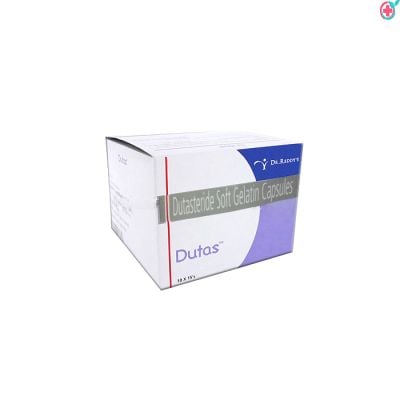
- Generic: DutasterideTrade Name: Avodart30 Tablet/s$18.00
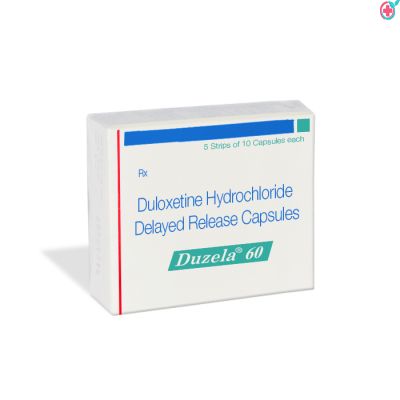
- Generic: DuloxetineTrade Name: Cymbalta30 Tablet/s$8.00
- Generic: DuloxetineTrade Name: Cymbalta30 Capsule/s$6.99
- Generic: Fesoterodine FumarateTrade Name:30 Tablet/s$18.69

Overactive bladder (OAB) is a medical condition characterized by a sudden and involuntary contraction of the muscles in the bladder wall. This results in a frequent and urgent need to urinate, often disrupting daily activities. Here's an overview of overactive bladder, its symptoms, causes, and potential treatments:
Symptoms:
1. Urge Incontinence:
- Sudden, intense urge to urinate, often leading to involuntary leakage.
2. Frequency:
- Increased frequency of urination, sometimes needing to urinate more than eight times a day.
3. Nocturia:
- Waking up two or more times during the night to urinate.
4. Urgency:
- Strong and immediate need to urinate.
Causes:
1. Muscle Dysfunction:
- Overactivity or spasms of the detrusor muscle in the bladder.
2. Neurological Conditions:
- Conditions such as multiple sclerosis or Parkinson's disease can affect nerve signals to the bladder.
3. Bladder Irritation:
- Inflammation or irritation of the bladder lining.
4. Hormonal Changes:
- Changes in hormonal levels, particularly in postmenopausal women.
5. Bladder Outlet Obstruction:
- Conditions like enlarged prostate in men can obstruct urine flow.
Risk Factors:
1. Age:
- OAB is more common in older adults.
2. Gender:
- Women are more prone to OAB, especially after menopause.
3. Obesity:
- Excess weight can increase the risk of OAB.
4. Neurological Conditions:
- Conditions affecting the nervous system can contribute to OAB.
Treatment Options:
1. Behavioral Therapies:
- Bladder Training: Gradually increasing the time between bathroom visits.
- Scheduled Toilet Trips: Going to the bathroom at scheduled times to prevent urgency.
2. Pelvic Floor Exercises:
- Strengthening the pelvic floor muscles through exercises, known as Kegel exercises.
3. Medications:
- Anticholinergic Medications: Reduce bladder muscle spasms.
- Beta-3 Adrenergic Agonists: Relax the bladder muscle.
4. Botox Injections:
- Botulinum toxin injected into the bladder muscle to reduce spasms.
5. Nerve Stimulation:
- Sacral Nerve Stimulation (SNS): Modulating nerve signals to the bladder through electrical stimulation.
6. Lifestyle Modifications:
- Fluid Management: Adjusting fluid intake, especially before bedtime.
- Avoiding Irritants: Limiting caffeine and alcohol, which can irritate the bladder.
Conclusion:
Overactive bladder can significantly impact an individual's quality of life, but various treatment options are available to manage and alleviate symptoms. Seeking medical advice for a proper diagnosis and tailored treatment plan is crucial for effectively addressing overactive bladder and improving overall well-being.

