
Benign Prostatic Hyperplasia Medications
- Generic: FinasterideTrade Name: Proscar30 Tablet/s$23.67
- Generic: FinasterideTrade Name: Propecia100 Tablet/s$20.00
- Generic: FinasterideTrade Name: Proscar30 Tablet/s$30.00
- Generic: FinasterideTrade Name: Proscar30 Tablet/s$18.00
- Generic: FinasterideTrade Name: Proscar30 Tablet/s$8.00
- Generic: FinasterideTrade Name: Propecia30 Tablet/s$7.00
- Generic: Tamsulosin + FinasterideTrade Name: Veltam F30 Tablet/s$15.90
- Generic: AlfuzosinTrade Name: Uroxatral30 Tablet/s$14.70

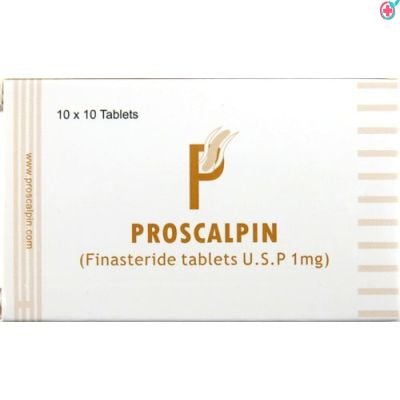

Benign prostatic hyperplasia (BPH) medications: diagnosis, treatment benefits, and potential side effects
Benign Prostatic Hyperplasia (BPH) is a common condition in aging men characterized by the enlargement of the prostate gland. As the prostate grows, it can press against the urethra and interfere with the normal flow of urine. This may lead to various urinary symptoms that affect daily activities and quality of life.
Medications are often used as the first line of treatment for managing BPH symptoms. These treatments aim to improve urinary flow, reduce discomfort, and prevent complications related to prostate enlargement. Several types of medications are available, each working through different mechanisms to address the condition.
Understanding how BPH is diagnosed and how medications help manage the symptoms can assist patients in making informed healthcare decisions.
What Is Benign Prostatic Hyperplasia?
The prostate is a small gland located below the bladder and surrounding the urethra. Its primary function is to produce fluid that forms part of semen. With age, the prostate can gradually enlarge, leading to benign prostatic hyperplasia.
BPH is not cancerous, but the enlargement of the gland may partially block the urethra and cause urinary problems.
Common symptoms associated with BPH include:
- Frequent urination
- Difficulty starting urination
- Weak or slow urine stream
- Interrupted urine flow
- Urgency to urinate
- Feeling that the bladder is not completely empty
- Increased nighttime urination (nocturia)
The severity of symptoms varies among individuals, and medical treatment may be recommended if symptoms interfere with normal activities.
Diagnosis of Benign Prostatic Hyperplasia
Diagnosing BPH typically involves a combination of medical history evaluation, physical examination, and diagnostic tests. Healthcare providers assess symptoms and rule out other conditions that may cause similar urinary issues.
Common diagnostic methods include:
Medical History and Symptom Assessment
Patients are often asked about urinary symptoms, their duration, and how they affect daily life. Symptom scoring systems may be used to evaluate severity.
Digital Rectal Examination (DRE)
A digital rectal exam allows a healthcare provider to check the size and condition of the prostate gland by inserting a gloved finger into the rectum.
Urine Tests
Urinalysis may be performed to detect infection, blood, or other abnormalities in the urine.
Prostate-Specific Antigen (PSA) Test
A blood test measuring PSA levels can help assess prostate health and rule out other prostate conditions.
Imaging or Additional Tests
In some cases, ultrasound, uroflowmetry, or bladder tests may be used to measure urine flow and evaluate bladder function.
Types of Medications Used for BPH
Several classes of medications are commonly prescribed to help manage benign prostatic hyperplasia symptoms.
Alpha-Blockers
Alpha-blockers help relax the muscles of the prostate and bladder neck. This relaxation improves urine flow and reduces obstruction caused by prostate enlargement.
Common medications in this category include:
- Tamsulosin
- Alfuzosin
- Doxazosin
- Terazosin
- Silodosin
Alpha-blockers often provide relatively fast symptom relief and are frequently used for moderate urinary symptoms.
5-Alpha Reductase Inhibitors
These medications work by blocking the conversion of testosterone into dihydrotestosterone (DHT), a hormone responsible for prostate growth. By reducing DHT levels, the prostate may gradually shrink.
Examples include:
These medications typically take several months to produce noticeable improvements.
Phosphodiesterase-5 (PDE5) Inhibitors
Certain PDE5 inhibitors may help relieve BPH symptoms by relaxing smooth muscle in the urinary tract.
One commonly used medication is:
This treatment may be considered in patients who experience both urinary symptoms and erectile dysfunction.
Combination Therapy
In some cases, healthcare providers prescribe a combination of medications to manage symptoms more effectively. For example, an alpha-blocker may be used together with a 5-alpha reductase inhibitor to address both urinary obstruction and prostate enlargement.
Ex. Tamsulosin Dutasteride (Generic for Jalyn)
Benefits of BPH Medications
Medications used for benign prostatic hyperplasia can provide several clinical benefits when prescribed appropriately.
These benefits may include:
- Improved urinary flow
- Reduced urinary frequency and urgency
- Decreased nighttime urination
- Lower risk of urinary retention
- Reduced prostate size with certain medications
- Improvement in overall urinary function
Treatment effectiveness depends on factors such as prostate size, symptom severity, and individual response to medication.
Potential Side Effects of BPH Medications
Like many medications, treatments for benign prostatic hyperplasia may cause side effects in some individuals. The type and frequency of side effects vary depending on the medication used.
Possible side effects may include:
Alpha-blockers
- Dizziness or lightheadedness
- Low blood pressure
- Fatigue
- Ejaculatory changes
5-Alpha Reductase Inhibitors
- Reduced libido
- Erectile dysfunction
- Decreased semen volume
- Breast tenderness in rare cases
PDE5 Inhibitors
- Headache
- Flushing
- Indigestion
- Nasal congestion
Patients experiencing persistent or severe side effects should consult a healthcare provider.
Frequently Asked Questions (FAQs)
- What causes benign prostatic hyperplasia?
BPH is primarily associated with age-related hormonal changes. As men age, changes in testosterone and other hormones can contribute to prostate enlargement. - What medications are commonly used for BPH?
Common medications include alpha-blockers such as tamsulosin, 5-alpha reductase inhibitors such as finasteride or dutasteride, and PDE5 inhibitors like tadalafil. - How long does it take for BPH medications to work?
Alpha-blockers may provide symptom relief within days or weeks, while medications that reduce prostate size may take several months to show full effects. - Can BPH medications shrink the prostate?
Yes, medications such as finasteride and dutasteride can gradually shrink the prostate by lowering hormone levels that promote prostate growth. - Are BPH medications safe for long-term use?
Many BPH medications are prescribed for long-term management. However, regular medical monitoring is recommended to evaluate effectiveness and side effects. - Can lifestyle changes help with BPH symptoms?
Lifestyle changes such as reducing caffeine and alcohol intake, maintaining a healthy weight, and managing fluid intake may help improve urinary symptoms in some individuals. - When should someone seek medical care for BPH symptoms?
Medical evaluation is recommended if urinary symptoms become severe, interfere with daily life, or include blood in the urine, painful urination, or inability to urinate.

