
High Triglycerides Medications
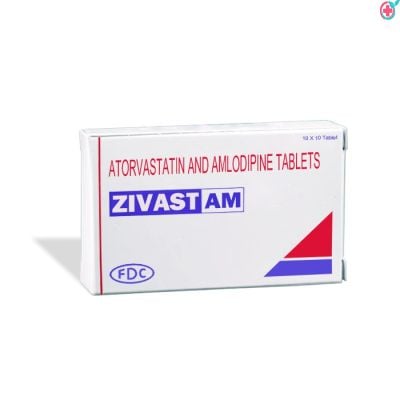
- Generic: Amlodipine Besilate +AtorvastatinTrade Name: Caduet30 Tablet/s$20.50
- Generic: Rosuvastatin + FenofibrateTrade Name:30 Tablet/s$7.60
- Generic: FluvastatinTrade Name: Lescol XL21 Tablet/s$61.00
- Generic: AtorvastatinTrade Name: Lipitor30 Tablet/s$9.00
- Generic: SimvastatinTrade Name: Zocor30 Tablet/s$15.00


High triglycerides refer to elevated levels of triglycerides (a type of fat) in the bloodstream. Triglycerides are produced from unused calories and are stored in fat cells. When levels become too high, they increase the risk of heart disease, stroke, and pancreatitis.
Causes of High Triglycerides
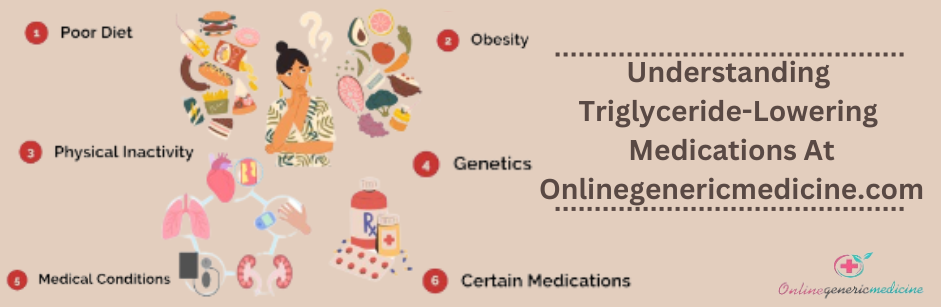
- Overeating or high-calorie intake
- Excess consumption of sugar or refined carbs
- Excessive alcohol use
- Obesity or being overweight
- Poorly controlled diabetes
- Kidney or liver disease
- Hypothyroidism
- Genetic factors (familial hypertriglyceridemia)
- Certain medications (like steroids, beta-blockers)
Uses of High Triglyceride Medications
These medications help:
- Lower triglyceride levels in the blood
- Reduce the risk of cardiovascular complications
- Prevent acute pancreatitis
- Improve overall lipid profile (cholesterol, HDL, LDL)
Direction of Use
- Take the medicine exactly as prescribed by your doctor.
- Oral tablets/capsules are usually taken once daily, preferably with food.
- If using omega-3 capsules, swallow whole with water (do not chew).
- Subcutaneous injections (if prescribed) must be administered under guidance.
- Do not double the dose to make up for a missed one.
Dosage (General Guidance)
Always follow your doctor's instructions—dosages vary per drug and patient profile.
- Fibrates (e.g., Fenofibrate): 145 mg once daily
- Statins (e.g., Atorvastatin): 10–80 mg once daily
- Niacin: 500–2000 mg per day (start low and increase gradually)
- Omega-3 (EPA/DHA): 2–4 grams per day
- Antisense therapies: As directed, typically once weekly (injectable)
Precautions
- Inform your doctor about liver, kidney, or thyroid conditions
- Avoid alcohol and limit high-sugar/high-fat foods
- Monitor blood sugar if you’re diabetic
- Pregnant or breastfeeding? Use only under medical supervision
- If taking statins or fibrates, monitor liver enzymes and muscle pain
- Avoid grapefruit (can interfere with statin metabolism)
Side Effects
Here are the common side effects:
- Stomach upset, nausea, diarrhea
- Muscle aches or weakness (especially with statins)
- Headache or dizziness
- Skin flushing (especially with niacin)
- Fishy burps or taste (with omega-3s)
The serious side effects are as follows:
- Severe muscle pain or weakness
- Yellowing of skin/eyes (liver issues)
- Unusual bleeding or bruising
- Allergic reactions (rash, swelling, breathing difficulty)
Frequently Asked Questions (FAQs):
Q1: Can high triglycerides be reversed with medication?
Yes, when combined with a healthy diet and lifestyle changes, medications can effectively lower triglyceride levels.
Q2: How long do triglyceride medications take to work?
Some people see improvements within 4–6 weeks, but full effects may take a few months.
Q3: Can I stop taking the medication once levels are normal?
No, stopping without medical advice can cause levels to rise again. Always consult your doctor.
Q4: Do these medications affect cholesterol too?
Yes. Many triglyceride-lowering meds also improve HDL and lower LDL cholesterol.
Q5: Is it safe to take these medicines long-term?
Yes, under medical supervision. Regular monitoring ensures safety and effectiveness.
Q6: What foods should I avoid while on these meds?
Avoid alcohol, sugary foods, fried items, and saturated fats. Follow a low-fat, high-fiber diet.
Q7: Can I take supplements like fish oil instead of medication?
Fish oil can help, but high doses are often needed. Prescription omega-3s are more potent and regulated.

