
Myasthenia Gravis Medications
- Generic: Neostigmine BromideTrade Name: Prostigmin30 Tablet/s$58.00
- Generic: PyridostigmineTrade Name: Mestinon30 Tablet/s$14.10
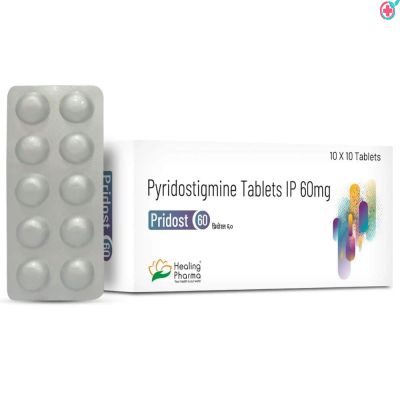


Myasthenia Gravis Medications – Understanding Treatment Options, How They Work & Safety
Myasthenia Gravis (MG) is a chronic autoimmune neuromuscular disorder characterized by weakness and rapid fatigue of voluntary muscles. It occurs when communication between nerves and muscles is disrupted by antibodies that block or destroy receptors for the neurotransmitter acetylcholine at the neuromuscular junction.
Medications play a central role in the management of Myasthenia Gravis by improving muscle strength, modulating the immune system, and controlling symptoms. This page provides clear, evidence‑based information on the types of medications used in MG, how they work, and important considerations for safe use.
What Is Myasthenia Gravis?
Myasthenia Gravis is an autoimmune condition in which the immune system mistakenly targets parts of the neuromuscular junction—the point where nerve cells connect with muscles. The most common target is the acetylcholine receptor, which is essential for muscle contraction.
Myasthenia gravis symptoms include:
- Muscle weakness that worsens with activity and improves with rest
- Drooping eyelids (ptosis) and double vision (diplopia)
- Difficulty speaking, chewing, or swallowing
- Weakness in arms, legs, or respiratory muscles in severe cases
Because symptoms vary widely among individuals, treatment is tailored to each person’s specific presentation and needs.
How Medications Help in Myasthenia Gravis
Treatment of Myasthenia Gravis typically aims to:
- Improve Neuromuscular Transmission
Medications can enhance communication between nerve and muscle cells to help restore strength. - Suppress or Modulate the Immune Response
Since MG is autoimmune, immunosuppressive and immunomodulating drugs help reduce the production of antibodies that interfere with neuromuscular signaling. - Manage Symptoms Safely
Supportive therapies may address specific symptoms such as fatigue or muscle weakness while minimizing side effects.
Common Classes of MG Medications
1. Acetylcholinesterase Inhibitors
These medications increase levels of acetylcholine at the neuromuscular junction by slowing its breakdown, which can improve muscle contraction temporarily.
- Pyridostigmine is the most commonly used acetylcholinesterase inhibitor in MG.
- It is particularly helpful for ocular (eye‑related) symptoms and generalized muscle weakness.
These agents act relatively quickly after dosing and are often used as first‑line symptomatic treatment.
2. Corticosteroids
Corticosteroids such as prednisone help suppress the abnormal immune response that contributes to MG.
- They can be effective in reducing antibody production and inflammation.
- Long‑term use requires careful monitoring due to potential side effects such as weight gain, bone thinning (osteoporosis), and blood sugar changes.
3. Immunosuppressants
Medications that suppress immune activity are used when corticosteroids alone are insufficient or to reduce steroid dosage.
Common immunosuppressants include:
- Azathioprine
- Mycophenolate mofetil
- Cyclosporine
- Tacrolimus
These drugs require regular monitoring because of their effects on immune function and potential impacts on liver, kidney, or bone marrow health.
4. Rapid‑Acting Therapies
For more severe symptoms or crisis episodes, rapid‑acting treatments may be used:
- Plasmapheresis (Plasma Exchange) – Removes harmful antibodies from the bloodstream.
- Intravenous Immunoglobulin (IVIG) – Provides pooled antibodies that may temporarily modulate immune activity.
These are typically administered under medical supervision in specialized settings and are often used for acute exacerbations.
Monitoring and Individualized Care
Managing Myasthenia Gravis requires regular follow‑up with healthcare professionals. Because MG and its treatments affect immune function and neuromuscular activity, clinicians often monitor:
- Muscle strength and symptom progression
- Blood counts, liver and kidney function
- Response to therapy and medication side effects
Adjustments to treatment regimens are common depending on disease severity and individual response.
Safety Considerations and Side Effects
All medications used in Myasthenia Gravis carry potential side effects:
Acetylcholinesterase Inhibitors
- Increased saliva or gastrointestinal cramping
- Nausea, diarrhea
- Muscle twitching in some cases
Corticosteroids
- Weight gain, increased appetite
- Mood changes
- Bone density loss with long‑term use
Immunosuppressants
- Increased susceptibility to infections
- Possible effects on liver or kidney function
- Bone marrow suppression
Regular evaluation and laboratory testing help minimize risk and ensure safe therapy.
How Medications Fit Into Overall MG Management
Medication is one component of a comprehensive MG care plan. Others may include:
- Lifestyle adaptations to manage energy and reduce fatigue
- Physical therapy to support muscle function
- Thymectomy (surgical removal of thymus) for select patients
- Education on recognizing and responding to exacerbations
A multidisciplinary approach often yields the best outcomes.
Summary
- Myasthenia Gravis medications support muscle strength and help control the underlying autoimmune response.
- Treatment includes acetylcholinesterase inhibitors, corticosteroids, immunosuppressants, and rapid‑acting therapies for severe episodes.
- Management is individualized, and safety monitoring is essential due to potential side effects.
- Regular follow‑up with a healthcare professional ensures optimal outcomes.
Frequently Asked Questions (FAQs)
1. Can medications cure Myasthenia Gravis?
No; medications help manage symptoms and modulate the immune response, but they are not considered a cure. Some individuals may achieve remission, but lifelong monitoring is common.
2. How soon do MG medications start to work?
Response time varies: acetylcholinesterase inhibitors may act within hours, while immunosuppressants often take weeks to months for full effect.
3. Are rapid‑acting treatments used long term?
Plasmapheresis and IVIG are typically used for acute exacerbations or short‑term support, not daily long‑term management.
4. Do MG medications suppress the immune system?
Yes, many therapies (e.g., corticosteroids, immunosuppressants) affect immune function and require monitoring for infections and other risks.
5. Can medication needs change over time?
Yes. MG symptom patterns and treatment responses can change, so dose adjustments and regimen updates are common.
6. How do thymus problems cause myasthenia gravis?
Problems with the thymus can cause myasthenia gravis because the gland may produce abnormal immune cells that create antibodies against acetylcholine receptors at the neuromuscular junction. These antibodies disrupt nerve-to-muscle communication, leading to muscle weakness and fatigue.

