
Edema Medication
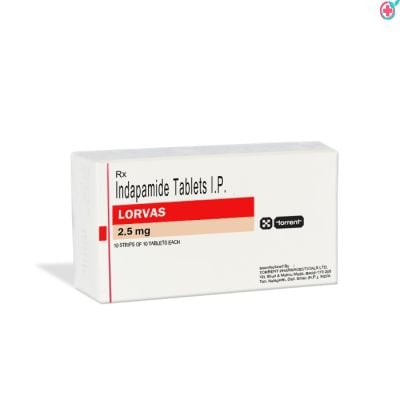
- Generic: IndapamideTrade Name: Lozol60 Tablet/s$25.86
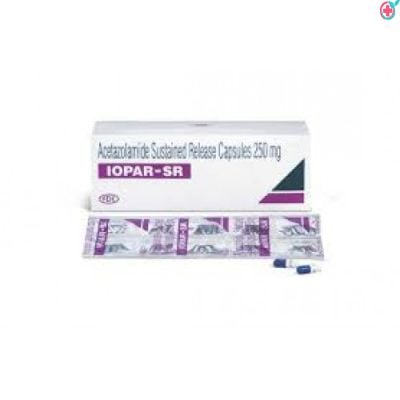
- Generic: AcetazolamideTrade Name: Diamox30 Capsule/s$6.00
- Generic: FurosemideTrade Name: Lasix30 Tablet/s$6.00
- Generic: Furosemide + SpironolactoneTrade Name: Aldactone30 Tablet/s$6.00
- Generic: HydrochlorothiazideTrade Name: Hydrodiuril30 Tablets$0.72Out of stock
- Generic: IndapamideTrade Name: Lozol30 Tablet/s$9.33
- Generic: Furosemide + AmilorideTrade Name:30 Tablet/s$1.14
- Generic: Spironolactone + TorasemideTrade Name: Aldactone30 Tablet/s$7.56
- Generic: Frusemide+ SpironolactoneTrade Name:30 Tablet/s$6.00
- Generic: EplerenoneTrade Name: Inspra30 Tablet/s$38.60

Edema, also spelled as oedema, is the medical term for the swelling caused by the accumulation of excess fluid in body tissues. Here's an overview of edema care:
1. Identification of Underlying Cause:
- Medical Evaluation: It's important to identify and address the underlying cause of edema, as it can be a symptom of various medical conditions, including heart failure, kidney disease, liver disorders, or certain medications.
2. Lifestyle Modifications:
- Dietary Changes: Limiting sodium intake can help reduce fluid retention. Fresh fruits, vegetables, and lean proteins are recommended.
- Hydration: Adequate hydration is essential. Paradoxically, dehydration can contribute to fluid retention, so it's important to maintain a proper fluid balance.
- Elevating Legs: Elevating the affected limbs can assist in reducing swelling, especially in cases of peripheral edema.
3. Compression Therapy:
- Compression Stockings: These can be beneficial for edema in the legs by promoting better blood circulation and reducing swelling.
4. Medications:
- Diuretics: In some cases, healthcare professionals may prescribe diuretics to increase urine production and help eliminate excess fluid from the body.
- Underlying Condition Treatment: Treating the underlying medical condition contributing to edema may involve specific medications.
5. Regular Exercise:
- Physical Activity: Engaging in regular, moderate exercise helps improve circulation and can prevent or reduce edema. Consult with healthcare providers before starting a new exercise regimen.
6. Monitoring Weight:
- Regular Weighing: Monitoring weight regularly can help detect changes related to fluid retention.
7. Avoiding Prolonged Sitting or Standing:
- Movement: Changing positions regularly, especially if sitting or standing for extended periods, can prevent fluid accumulation.
8. Medical Follow-Up:
- Regular Check-Ups: Individuals with chronic edema should have regular follow-up appointments with healthcare providers to monitor their condition and adjust treatment as needed.
9. Reducing Alcohol Consumption:
- Alcohol Moderation: Excessive alcohol intake can contribute to fluid retention. Moderation or avoidance may be recommended.
10. Management of Lymphedema:
- Manual Lymphatic Drainage: In cases of lymphedema, a specialized form of massage therapy called manual lymphatic drainage may be employed.
11. Elevation of Affected Area:
- Elevating Affected Limbs: Raising the legs or affected area above heart level can assist in reducing swelling.
12. Consultation with Healthcare Providers:
- Timely Consultation: Any sudden or severe edema, especially if accompanied by other concerning symptoms, warrants prompt consultation with healthcare providers.
Conclusion:
Edema care involves addressing the underlying cause, making lifestyle modifications, and, in some cases, using medical interventions. A personalized approach, guided by healthcare professionals, is essential for effective edema management.

