
Hypothyroidism Medications
- Generic: Thyroxine sodiumTrade Name: Synthroid1 Bottle$8.00
- Generic: ThyroxineTrade Name: Synthroid120 Tablets$2.73
- Generic: Levothyroxine Sodium (T4), Liothyronine Sodium (T3)Trade Name:100 Tablet/s$16.40
- Generic: CinacalcetTrade Name: Sensipar30 Tablet/s$60.00
- Generic: LevothyroxineTrade Name: Synthroid1 Bottle$3.85
- Generic: Liothyronine SodiumTrade Name: Cytomel T3100 Tablet/s$126.00
- Generic: Liothyronine SodiumTrade Name: Cytomel T330 Tablet/s$16.60
- Generic: Liothyronine SodiumTrade Name: Cytomel T330 Tablet/s$4.80
- Generic: Liothyronine SodiumTrade Name: Cytomel T3100 tablet/s$12.60
- Generic: LiothyronineTrade Name: Cytomel T31 bottle$21.86
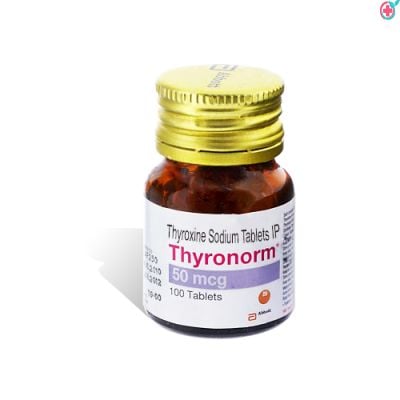

Low thyroid hormone levels, a condition known as hypothyroidism, occur when the thyroid gland doesn't produce enough thyroid hormones to meet the body's needs. These hormones, primarily thyroxine (T4) and triiodothyronine (T3), play a crucial role in regulating metabolism, energy production, and overall bodily functions. Let's explore the causes, symptoms, and management of low thyroid hormone levels:
Causes of Low Thyroid Hormone Levels:
1. Autoimmune Thyroiditis (Hashimoto's Disease):
- The immune system mistakenly attacks the thyroid gland, leading to inflammation and reduced hormone production.
2. Iodine Deficiency:
- Inadequate intake of iodine, an essential component for thyroid hormone synthesis.
3. Thyroid Surgery or Radiation Treatment:
- Removal of the thyroid gland or radiation therapy for thyroid cancer can result in low thyroid hormone levels.
4. Certain Medications:
- Some medications, such as lithium or amiodarone, may interfere with thyroid function.
5. Congenital Hypothyroidism:
- Some individuals are born with an underactive thyroid gland.
6. Pituitary Gland Dysfunction:
- Impaired function of the pituitary gland, which signals the thyroid to produce hormones.
Symptoms of Low Thyroid Hormone Levels (Hypothyroidism):
- Fatigue: Persistent tiredness and lack of energy.
- Weight Gain: Unexplained weight gain or difficulty losing weight.
- Cold Sensitivity: Increased sensitivity to cold temperatures.
- Dry Skin and Hair: Dry and coarse skin, as well as brittle hair and nails.
- Constipation: Slowed digestive processes leading to constipation.
- Muscle Weakness: Weakness and aches in muscles.
- Joint Pain: Pain and stiffness in the joints.
- Depression: Feelings of sadness or depression.
- Memory Issues: Difficulty concentrating and memory problems.
- Menstrual Irregularities: Irregular or heavy menstrual periods.
Management of Low Thyroid Hormone Levels:
1. Thyroid Hormone Replacement Therapy:
- The most common and effective treatment involves taking synthetic thyroid hormones (levothyroxine) to supplement the deficiency.
2. Regular Monitoring:
- Regular blood tests to measure thyroid hormone levels and adjust medication dosage as needed.
3. Lifestyle Modifications:
- Adopting a healthy lifestyle with a balanced diet, regular exercise, and stress management.
4. Iodine Supplements:
- In cases of iodine deficiency, supplements or dietary changes may be recommended.
5. Avoid Goitrogenic Foods:
- Some foods, like cruciferous vegetables, may interfere with thyroid function. Moderation in consumption is advised.
6. Addressing Underlying Causes:
- If hypothyroidism is due to an underlying condition, addressing the root cause is crucial for effective management.
Prevention and Outlook:
1. Early Detection:
- Regular check-ups and thyroid function tests can help detect low thyroid hormone levels early, allowing for timely intervention.
2. Medication Adherence:
- Consistent use of prescribed thyroid medication is essential for managing symptoms and maintaining optimal thyroid function.
3. Lifelong Management:
- { "body": { "requireCookie": {"noCookieUrl":"https:\/\/www.onlinegenericmedicine.com\/cookie\/index\/noCookies\/","triggers":[".action.towishlist"],"isRedirectCmsPage":true} } }

