

Blood Clot Medications
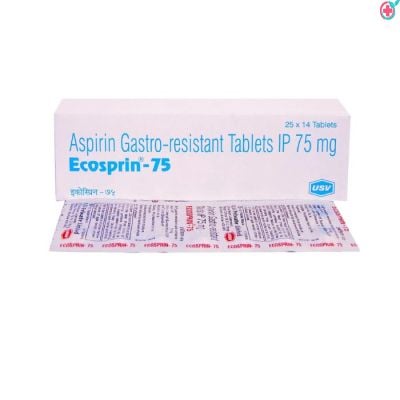
- Generic: AspirinTrade Name: Ecotrin56 Tablet/s$0.76
- Generic: HydrocortisoneTrade Name: Cortef50 Tablet/s$9.80
- Generic: HydrocortisoneTrade Name: Cortef10 Vial/s$13.60
- Generic: EnoxaparinTrade Name: Lovenox1 Injection/s$12.00
- Generic: DipyridamoleTrade Name: Coumadin30 Tablet/s$0.78Out of stock
- Generic: Aminocaproic AcidTrade Name: Amicar1 Vial$6.02


Decoding Blood Clots: Understanding Causes, Symptoms, and Preventive Measures
Introduction:
Blood clots, or thrombosis, are a natural part of the body's response to injury, preventing excessive bleeding. However, when blood clots form within blood vessels without a clear injury, they can pose serious health risks. In this comprehensive guide, we explore the intricacies of blood clots, examining their causes, symptoms, and preventive measures.
Understanding Blood Clots:
Blood clots are gel-like masses that form when blood thickens and clumps together. There are two main types of blood clots:
- Arterial Clots: These form in arteries and can impede blood flow to vital organs, potentially leading to heart attacks or strokes.
- Venous Clots: Venous clots typically occur in veins and can lead to conditions such as deep vein thrombosis (DVT) or pulmonary embolism (PE).
Causes of Blood Clots:
- Inactivity or Immobility: Prolonged periods of inactivity, such as long flights or bed rest, can contribute to blood clot formation.
- Injury or Surgery: Trauma, surgery, or injury to blood vessels can trigger clot formation.
- Certain Medical Conditions: Conditions like atrial fibrillation, cancer, or autoimmune disorders can increase the risk of blood clots.
- Genetic Factors: Inherited conditions, such as Factor V Leiden mutation, can make individuals more prone to blood clot formation.
- Hormonal Changes: Pregnancy, birth control pills, and hormone replacement therapy can influence blood clot risk.
Symptoms of Blood Clots:
- Swelling: Localized swelling, often in the legs or arms, may occur with clot formation.
- Pain or Tenderness: Clots can cause pain or tenderness in the affected area.
- Red or Discolored Skin: Skin discoloration or redness may be observed over the clot site.
- Warmth to the Touch: The affected area might feel warmer than surrounding tissues.
- Shortness of Breath: Blood clots in the lungs (PE) can lead to shortness of breath, chest pain, or coughing.
Preventive Measures:
- Stay Active: Regular physical activity promotes healthy blood circulation and reduces clot risk.
- Hydration: Maintaining adequate hydration helps prevent blood from thickening.
- Avoid Prolonged Immobility: Take breaks during long flights or extended periods of sitting.
- Healthy Diet: Adopt a balanced diet rich in fruits, vegetables, and whole grains to support overall cardiovascular health.
- Quit Smoking: Smoking contributes to blood vessel damage and increases clot risk.
- When to Seek Medical Attention: If you suspect a blood clot or experience symptoms such as severe pain, swelling, or difficulty breathing, seek immediate medical attention.
Conclusion:
Understanding the causes, symptoms, and preventive measures related to blood clots is crucial for maintaining cardiovascular health. [Your E-commerce Website] is dedicated to supporting your well-being, offering resources and products designed to promote a heart-healthy lifestyle. Explore our range today and prioritize the health of your circulatory system.

