
Anxiety Medications
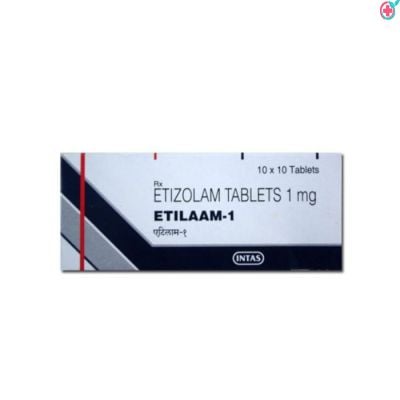
- Generic: EtizolamTrade Name: N/A30 Tablet/s + 30 Tablet/s$40.00Out of stock
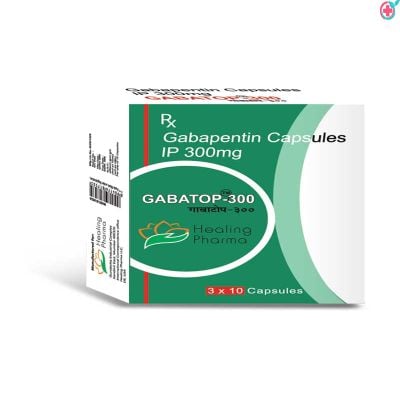
- Generic: GabapentinTrade Name: Neurontin30 Capsule/s$15.40
- Generic: DuloxetineTrade Name: Cymbalta30 Capsule/s$6.99
- Generic: SertralineTrade Name: Zoloft30 Tablet/s$5.52Out of stock
- Generic: TranylcypromineTrade Name: Parnate30 Tablet/s$21.65
- Generic: DoxepinTrade Name: Silenor30 Tablet/s$3.69Out of stock
- Generic: Hydroxyzine HClTrade Name: Vistaril1 Injection$0.90
- Generic: TranylcypromineTrade Name: Parnate30 Tablet/s$7.50

Anxiety is a natural and adaptive response to stress or danger, but when it becomes excessive or persistent, it can interfere with daily life and well-being. Anxiety disorders are a group of mental health conditions characterized by excessive worry, fear, and apprehension. Here's an overview of anxiety, its symptoms, and common treatment approaches:
Symptoms of Anxiety:
1. Excessive Worry:
- Persistent and uncontrollable worry about various aspects of life, often with irrational fears.
2. Physical Symptoms:
- Restlessness, muscle tension, trembling, sweating, and increased heart rate.
3. Irritability:
- Feeling on edge, easily agitated, or experiencing irritability.
4. Sleep Disturbances:
- Difficulty falling asleep, staying asleep, or experiencing restless sleep.
5. Fatigue:
- Feeling tired or exhausted, even with minimal physical or mental exertion.
6. Difficulty Concentrating:
- Trouble focusing on tasks or making decisions.
7. Avoidance Behavior:
- Avoiding situations or places that trigger anxiety.
8. Panic Attacks:
- Intense episodes of fear or discomfort, often accompanied by physical symptoms like shortness of breath and chest pain.
Types of Anxiety Disorders:
1. Generalized Anxiety Disorder (GAD):
- Excessive worry and anxiety about various life events and situations.
2. Panic Disorder:
- Recurrent panic attacks characterized by intense fear and physical symptoms.
3. Social Anxiety Disorder:
- Fear of social situations and being negatively judged or evaluated by others.
4. Specific Phobias:
- Intense fear of specific objects or situations.
5. Obsessive-Compulsive Disorder (OCD):
- Intrusive, unwanted thoughts (obsessions) and repetitive behaviors or mental acts (compulsions).
6. Post-Traumatic Stress Disorder (PTSD):
- Developed after exposure to a traumatic event, leading to flashbacks, nightmares, and severe anxiety.
Treatment Approaches:
1. Psychotherapy (Counseling):
- Cognitive-behavioral therapy (CBT) and other therapeutic approaches help individuals identify and manage anxiety triggers and develop coping strategies.
2. Medications:
- Antidepressants, benzodiazepines, and beta-blockers may be prescribed to manage symptoms.
3. Lifestyle Changes:
- Regular exercise, a balanced diet, and adequate sleep contribute to overall mental well-being.
4. Mindfulness and Relaxation Techniques:
- Practices such as meditation, deep breathing, and yoga can help reduce anxiety.
5. Support Groups:
- Connecting with others who experience similar challenges provides understanding and a sense of community.
6. Stress Management:
- Identifying and managing stressors through problem-solving and relaxation techniques.
Seeking Professional Help:
If you or someone you know is experiencing persistent anxiety symptoms that interfere with daily life, seeking professional help from a mental health provider is crucial. A mental health professional can conduct an assessment, provide a diagnosis, and tailor a treatment plan to address specific needs.
Conclusion:
Anxiety is a common mental health concern, and effective treatment options are available. It's important to reach out for support, whether from friends, family, or mental health professionals, to better understand and manage anxiety symptoms.

