Tretin Cream (Tretinoin Cream): Retin A Cream | Used to Treat Acne and Sun-Damaged Skin
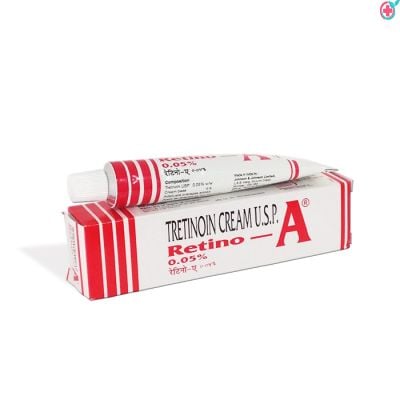
Tretin Cream contains Tretinoin, a powerful retinoid widely used for the treatment of acne, pimples, dark spots, and skin texture improvement. It works by speeding up skin cell renewal, helping to unclog pores and reduce breakouts effectively. This Medicine Is Prescribed For Peeling Off The Affected Skin Areas And Also For Unclogging The Pores. Tretinoin Is Available In Many Other Forms Apart From Capsules, Like Gel And Cream Form.


Product Overview
Tretin Cream is a dermatologist-recommended topical treatment used to effectively combat acne, reduce the appearance of fine lines, and improve overall skin tone and texture. Containing Tretinoin (all-trans retinoic acid), it is a cornerstone treatment for managing acne vulgaris and improving the structural integrity of the skin. By optimizing the rate of cellular turnover and preventing the formation of microcomedones, Tretin helps clear active breakouts and refines skin texture. It is also widely recognized for its clinical efficacy in reducing the appearance of fine lines and superficial hyperpigmentation by stimulating collagen synthesis.
Product Composition
- Active Ingredient: Tretinoin USP (Available in strengths: 0.025%, 0.05% w/w)
- Emulsifying Agents: Stearic Acid, Isopropyl Myristate
- Preservatives: Butylated Hydroxytoluene (BHT)
- Consistency Agents: Polyoxyl 40 Stearate, Stearyl Alcohol
- Solvent Base: Purified Water
Product Specifications
| Feature | Details |
| Brand Name | Tretin Cream |
| Generic Name | Tretinoin |
| Therapeutic Category | Retinoid (Vitamin A derivative) |
| Dosage Form | Topical Cream |
| Common Strengths | 0.025%, 0.05% |
| Storage | Store in a cool, dry place away from direct sunlight |
Mechanism of Action
- Accelerated Cell Turnover: Normalizes the shedding of dead skin cells within the hair follicles to prevent the formation of comedones (blackheads and whiteheads).
- Anti-Inflammatory Properties: Reduces the inflammatory response associated with active acne lesions.
- Collagen Stimulation: Stimulates fibroblasts in the dermis to increase collagen and elastin production, which aids in smoothing fine lines.
- Pigmentation Regulation: Promotes the shedding of melanin-heavy cells, helping to even out skin tone and reduce the appearance of post-inflammatory hyperpigmentation.
Key Benefits
- Effectively clears existing acne lesions and prevents the formation of new breakouts.
- Dramatically improves skin texture by smoothing rough patches and reducing pore appearance.
- Stimulates deeper dermal layers to promote a more youthful, resilient skin appearance over time.
- Fades post-acne marks and minor sun-induced skin discoloration with consistent long-term use.
- Scientifically proven to be a gold-standard treatment for chronic acne management.
Precautions
Medical Supervision
- Use Tretin Cream (Tretinoin) only under a dermatologist’s prescription
- Do not increase frequency or strength without medical advice
- Initial irritation is common, but continue only as directed by your doctor
Application Guidelines
- Apply a pea-sized amount only on clean, dry skin at night
- Avoid applying more than prescribed as it can increase irritation
- Wash hands before and after application
- Do not apply on wet skin to reduce irritation risk
Sun Exposure
- Tretinoin increases skin sensitivity to sunlight
- Avoid direct sun exposure and tanning beds during treatment
- Always use broad-spectrum sunscreen during the day
Skin Sensitivity
- Expect mild redness, peeling, or dryness in early use
- Avoid using harsh scrubs, exfoliants, or alcohol-based products
- Do not apply on broken or severely irritated skin
Combination Use
- Avoid using with strong acne treatments like benzoyl peroxide unless advised
- Do not combine with other retinoids or peeling agents without supervision
Special Populations
- Not recommended during pregnancy or breastfeeding unless prescribed
- Use in children only under strict medical guidance
- Elderly patients should use cautiously due to increased skin sensitivity
| Precaution Type | Recommendation |
|---|---|
| Application timing | Use only at night |
| Sun protection | Daily sunscreen is mandatory |
| Skin care routine | Avoid harsh exfoliants and irritants |
| Dosage control | Use minimal amount (pea-sized) |
| Combination therapy | Avoid mixing with strong actives unless prescribed |
| Monitoring | Stop use if severe irritation occurs |
Usage
This section provides the essential guidelines for the safe and effective application of Tretin Cream to ensure optimal skin renewal and acne management while minimizing potential irritation.
Dosage
Daily Frequency: Apply once daily, strictly in the evening or just before bedtime, to avoid sunlight-induced degradation of the active ingredient.
Application Quantity: Use a small, pea-sized amount for the entire facial area. Over-application does not improve results and can lead to severe peeling.
Frequency Adjustment: If excessive dryness or redness occurs, you may start by applying every second or third night and gradually increase frequency as your skin builds tolerance.
Administration
Preparation: Cleanse your skin with a mild, soap-free cleanser. Ensure your face is completely dry (wait 20–30 minutes after washing) before applying the cream to reduce the risk of irritation.
Application Method: Dab the pea-sized amount onto the forehead, chin, and cheeks, then spread it thinly and evenly over the affected areas, avoiding the eyes, nostrils, and lips.
Moisturization: You may apply a non-comedogenic moisturizer after the cream has absorbed to help manage dryness and flaking.
Sun Protection: Apply a broad-spectrum sunscreen of at least SPF 30 every morning, as Tretinoin significantly increases the skin's sensitivity to UV radiation.
Administration Guidelines
| Instruction | Recommended Action |
| Timing | Apply only at night |
| Skin State | Apply to bone-dry skin only |
| Quantity | Use no more than a pea-sized amount |
| Daily Routine | Mandatory morning sunscreen use |
| Avoidance | Keep away from corners of eyes and mouth |
Uses
Acne Vulgaris Treatment: Effectively targets and clears blackheads, whiteheads, and inflammatory acne lesions by preventing follicle clogging.
Skin Texture Refinement: Promotes a smoother and more even skin surface by accelerating the natural exfoliation process.
Fine Line Management: Stimulates collagen production to reduce the appearance of superficial fine lines and early signs of aging.
Hyperpigmentation Correction: Fades dark spots and post-inflammatory hyperpigmentation (acne marks) through rapid cellular turnover.
Pore Management: Helps keep pores clear of dead skin cells and sebum, reducing the likelihood of future breakouts and microcomedones.
Side effects
Common Side Effects
- Skin dryness and peeling
- Redness or mild irritation
- Burning or stinging sensation after application
- Increased sensitivity to sunlight
- Temporary worsening of acne during early use
Less Common Side Effects
- Itching or skin discomfort
- Mild swelling or inflammation
- Skin tightness
- Light flaking of treated areas
Serious Side Effects
| Serious Side Effect | Symptoms | What to Do |
|---|---|---|
| Severe skin irritation | Intense redness, burning, swelling | Stop use and consult doctor |
| Excessive peeling | Painful skin shedding or raw skin | Discontinue and seek medical advice |
| Allergic reaction | Rash, hives, facial swelling | Stop immediately and get medical help |
| Severe sun damage | Blistering or extreme sunburn | Stop use and seek treatment |
| Persistent acne worsening | Severe breakouts beyond initial phase | Consult dermatologist |
Monitoring
Skin Response Monitoring
- Expect mild peeling and redness in early weeks
- Monitor for gradual improvement in acne and skin texture
- Watch for signs of excessive irritation or discomfort
Sun Sensitivity Monitoring
- Observe skin reaction to sunlight exposure
- Use sunscreen daily and check for any sunburn signs
Acne Progress Monitoring
- Track initial purge phase (temporary acne flare-up)
- Ensure condition improves after continued use
Safety Monitoring
- Stop use if severe irritation or allergic reaction occurs
- Report persistent dryness or worsening skin condition to a dermatologist
FAQs
Q: What is Tretin Cream primarily used for?
A: Tretin Cream is mainly used to treat acne vulgaris by clearing existing breakouts and preventing new ones from forming, as well as for improving skin texture and reducing fine lines.
Q: Why does my skin peel or become red when I start using it?
A: This is a common effect called "retinization." As your skin adjusts to the increased cell turnover rate, it may become dry, red, or peel for the first few weeks.
Q: Can I use Tretin Cream during the day?
A: Tretinoin is unstable when exposed to sunlight and can make your skin more sensitive to UV damage. It should only be applied at night.
Q: Is it normal for my acne to get worse before it gets better?
A: Yes, many users experience a "purging" phase during the first 2–6 weeks as the medication brings microcomedones to the surface of the skin. This is a sign that the treatment is working.
Q: How much cream should I apply?
A: Use a pea-sized amount for the entire face. Applying more than this will not speed up results but will significantly increase the likelihood of skin irritation.
Q: Can I use this product if I am pregnant or breastfeeding?
A: No, Tretin Cream is not recommended for use during pregnancy or while breastfeeding due to the risk of absorption and potential effects on fetal development.
Q: What products should I avoid while using Tretin?
A: Avoid harsh exfoliating scrubs, products containing high concentrations of alcohol, salicylic acid, or benzoyl peroxide (unless directed otherwise), as these can cause severe irritation.
Q: How long until I see results?
A: Consistent use is key. While some see improvement in 4–6 weeks, it often takes 3–6 months to see significant results for acne or anti-aging concerns.
Interactions
Other Acne and Skin Treatments
- Avoid using Tretin Cream with other retinoids or vitamin A derivatives
- Combining with benzoyl peroxide may increase dryness and irritation unless advised by a doctor
- Use caution when combining with salicylic acid or glycolic acid products
Harsh Skin Care Products
- Avoid alcohol-based toners, scrubs, exfoliants, and astringents
- These products can increase skin peeling, redness, and sensitivity
- Use only mild, non-irritating cleansers during treatment
Topical Steroids
- Do not use with steroid creams unless prescribed
- Steroids may reduce effectiveness of tretinoin or mask irritation
Cosmetic Products
- Heavy makeup or comedogenic products may clog pores and reduce treatment effectiveness
- Allow skin to absorb cream fully before applying other products
- Prefer non-comedogenic skincare products
Photosensitizing Agents
- Increases sensitivity when used with other photosensitizing drugs
- Sun exposure risk may be higher, requiring strict sunscreen use
| Interacting Product Type | Possible Effect | Recommendation |
|---|---|---|
| Other retinoids | Excessive irritation and peeling | Avoid combination |
| Benzoyl peroxide | Increased dryness and redness | Use only if prescribed |
| Exfoliating acids (AHA/BHA) | Skin irritation and sensitivity | Use cautiously or avoid |
| Alcohol-based products | Excess dryness and inflammation | Avoid during treatment |
| Steroid creams | Reduced effectiveness | Use only under medical advice |
| Cosmetic makeup | Pore blockage and reduced effect | Use non-comedogenic products |
| Manufacturer | : | Hegde & Hegde, India |
| Trade Name | : | Retin A Cream |
| Generic Search | : | Tretinoin |
| Strength | : | 0.025% (30gm), 0.05% (30gm) |
Certified Content

Dr. Priya Nair
Clinical Pharmacist & Senior Drug Information Specialist | 9 years
Pharm.D. (Doctor of Pharmacy)
Latest Products