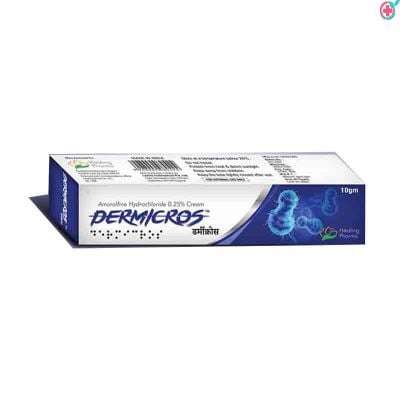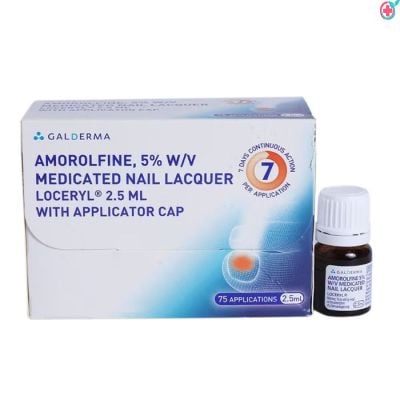
Loceryl Cream (Amorolfine) | Used to Treat Nail and Skin Fungal Infections
Buy Loceryl Cream (Amorolfine), Loceryl Cream (Amorolfine) is used to treat fungal skin infections such as ringworm, athlete foot, and jock itch. It is a topical antimycotic, sometimes known as an antifungal. It kills a wide variety of fungi that can cause nail infections.


Product Overview
Loceryl Cream is a specialized antifungal treatment primarily used to manage a broad range of fungal skin infections. Unlike simple barrier creams, Loceryl utilizes Amorolfine, a potent morpholine-derivative antifungal agent. This ingredient is unique because it interferes with fungal cell membrane synthesis at two different stages, effectively stopping the growth of the fungi and eventually causing the fungal cells to die.
Designed for targeted topical use, Loceryl is highly effective against a variety of pathogens, including dermatophytes, yeasts, and molds. By creating an environment where these organisms cannot thrive, it allows the skin to repair its natural defenses. Loceryl is well-regarded in clinical practice for its ability to clear stubborn surface fungal infections, providing relief from the scaling, itching, and redness that typically accompany conditions like ringworm, athlete’s foot, and various yeast infections of the skin.
Product Composition
- Active Ingredient:
- Amorolfine Hydrochloride (0.25%): A powerful antifungal agent that inhibits the biosynthesis of ergosterol, a critical component of the fungal cell wall.
- Formulation: A smooth, easily absorbed cream base optimized for consistent delivery of the active agent into the skin layers.
- Action Category: Antifungal agent.
Product Specifications
| Feature | Description |
| Therapeutic Class | Dermatological / Antifungal Agent |
| Route of Administration | Topical |
| Primary Indication | Fungal skin infections (dermatophytosis, candidiasis, pityriasis versicolor) |
| Mechanism | Ergosterol biosynthesis inhibition |
| Storage | Store at room temperature; keep tightly closed and away from heat |
Mechanism of Action
- Dual-Action Inhibition: This dual-point disruption prevents the fungus from producing ergosterol, leading to an accumulation of abnormal sterols and a depletion of necessary membrane components, which ultimately kills the fungal cell.
- Broad-Spectrum Efficacy: Because it interrupts the membrane synthesis at two critical points, it is highly effective against a wide variety of fungi that cause common skin infections, making it a reliable choice for mixed or persistent fungal cases.
Key Benefits
- High Mycological Cure Rates: Known for its strong ability to not just soothe symptoms, but to eliminate the fungal pathogen itself.
- Versatility: Effective against a wide spectrum of skin fungi, including Trichophyton, Candida, and Malassezia species.
- Patient Compliance: Typically requires less frequent application compared to some older antifungal treatments, which can help in maintaining a consistent treatment schedule.
Precautions
Medical supervision
- Use as directed by a healthcare professional for confirmed fungal infections
- Complete the full course even if symptoms improve early
- Avoid self use for undiagnosed skin conditions
Skin conditions
| Condition | Precaution |
|---|---|
| Open wounds | Do not apply on cuts or broken skin |
| Sensitive skin | May cause mild irritation, patch test recommended |
| Allergic history | Avoid if allergic to Amorolfine or formulation components |
| Severe infections | Use under medical supervision for extensive infections |
Application safety
- Apply a thin layer only on affected area
- Avoid contact with eyes, mouth, and mucous membranes
- Wash hands before and after application
Usage precautions
- Do not use more than prescribed frequency
- Avoid covering treated area with airtight dressings unless advised
- Do not share medication to prevent spread of infection
Lifestyle precautions
- Keep affected area clean and dry
- Avoid tight clothing that may trap moisture
- Maintain good hygiene to prevent reinfection
Monitoring advice
- Mild irritation or redness may occur initially
- Seek medical advice if no improvement is seen within recommended duration
- Stop use if severe irritation or allergic reaction develops
Usage
Application Guidelines
Consistent and correct application is the most important factor in ensuring the complete eradication of a fungal infection.
| Aspect | Instruction |
| Frequency | Once or twice daily, as specified by the product label or your doctor |
| Method | Apply to the affected area and a small margin of healthy skin surrounding it |
| Technique | Gently massage into the skin until completely absorbed |
| Preparation | Thoroughly clean and dry the affected area before every application |
Administration & Best Practices
Extend the Margin: Always apply the cream about 1 cm beyond the edge of the visible rash. Fungi often spread beyond what is visible to the naked eye, and this margin prevents the infection from "creeping" outward.
Hygiene First: Fungal infections thrive in warm, moist environments. After washing the infected area, pat it completely dry with a clean towel. Avoid rubbing, as this can irritate the skin.
Do Not Stop Too Soon: Even if the skin looks normal, do not stop treatment early. Fungal spores can remain dormant and cause a relapse. Continue applying for the full duration recommended (often up to 1-2 weeks after symptoms vanish).
Personal Care: Use a separate towel for the infected area to avoid spreading the fungus to other parts of your body or to other people. Wash your hands thoroughly after every application.
Keep Areas Dry: Wear loose-fitting, breathable clothing if the infection is in skin folds (like the groin or underarms) to keep the area as dry as possible.
Uses
Athlete's Foot (Tinea Pedis): Targets fungal infections between the toes or on the soles of the feet.
Ringworm (Tinea Corporis): Effectively treats the characteristic ring-shaped, itchy, red patches found on the trunk, arms, or legs.
Jock Itch (Tinea Cruris): Manages fungal infections in the groin area, where warmth and moisture make it difficult for infections to clear on their own.
Candidiasis (Yeast Infections): Provides relief for superficial skin yeast infections that cause redness, irritation, and sometimes a white, scaly appearance.
Pityriasis Versicolor: Used to treat this common fungal condition characterized by discolored (light or dark) patches on the skin, often on the chest or back.
FAQs
Q: What is this product used for?
A: Loceryl Cream is used to treat a wide variety of fungal skin infections. This includes conditions like athlete's foot (tinea pedis), ringworm (tinea corporis), jock itch (tinea cruris), and various yeast infections of the skin (candidiasis). It works by killing the fungus and stopping it from spreading.
Q: How does Loceryl work?
A: It contains Amorolfine, which is a powerful antifungal. It works by interfering with the fungus's ability to build its cell wall. By disrupting this process at two critical stages, it kills the fungus and prevents the infection from growing.
Q: How long do I need to use the cream?
A: Treatment duration varies depending on the type and severity of the infection. Generally, you should continue applying the cream for at least one week after all symptoms have disappeared to ensure the fungus is completely eliminated and to prevent a recurrence.
Q: Can I apply it to my face or near my eyes?
A: Loceryl is intended for external skin use only. You should be very careful when applying it near the eyes, mouth, or mucous membranes. If the cream accidentally gets into your eyes, rinse them thoroughly with plenty of water.
Q: Is it safe to use while pregnant or breastfeeding?
A: If you are pregnant, planning to become pregnant, or breastfeeding, consult your doctor or pharmacist before using this product. They will determine if it is safe for your specific situation.
Q: What should I do if I miss a dose?
: If you miss an application, apply it as soon as you remember. However, if it is almost time for your next dose, skip the missed one and continue with your regular schedule. Do not apply extra cream to make up for a forgotten dose.
Interactions
Topical product interactions
- Other antifungal creams may cause overlapping effects and increased irritation
- Corticosteroid creams may reduce effectiveness against fungal infections if used together
- Exfoliating agents such as AHA or BHA can increase skin sensitivity and irritation
- Antibacterial creams may alter local skin balance and affect treatment response
- Occlusive dressings with medicated creams may increase absorption and side effects
Medicine and treatment interactions
| Product Type | Interaction Effect |
|---|---|
| Other antifungals | Increased irritation or no added benefit |
| Corticosteroids | Reduced antifungal effectiveness |
| AHA/BHA exfoliants | Increased irritation and sensitivity |
| Antibacterial creams | Altered treatment response |
| Occlusive medicated dressings | Increased absorption and irritation risk |
Cosmetic interactions
- Alcohol-based products may cause dryness and irritation
- Heavy creams or ointments may reduce absorption of the antifungal
- Fragranced skincare products may trigger sensitivity
Usage advice
- Apply on clean, dry skin and allow proper absorption before using other products
- Maintain a gap between different topical treatments
- Avoid combining multiple strong dermatological products without medical advice
- Discontinue use if irritation increases when used with other skincare products or medicines
| Manufacturer | : | Galderma Labs, India |
| Trade Name | : | Loceryl |
| Generic Search | : | Amorolfine |
| Strength | : | 10gm , 30gm |
Certified Content

Dr. Priya Nair
Clinical Pharmacist & Senior Drug Information Specialist | 9 years
Pharm.D. (Doctor of Pharmacy)
Latest Products