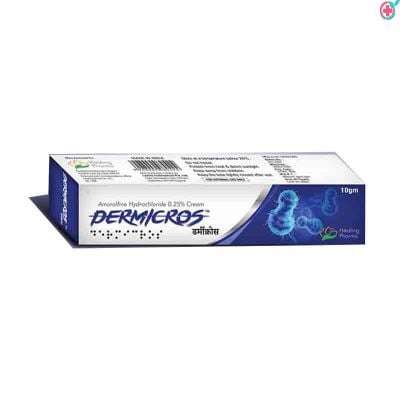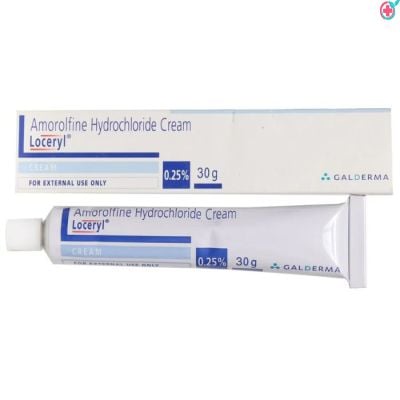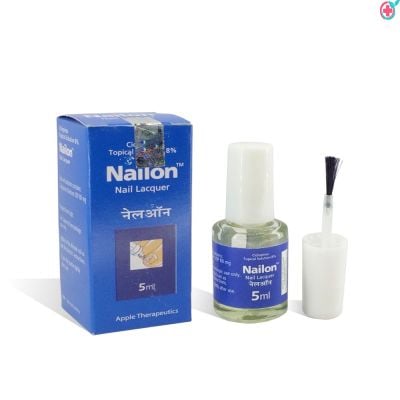
Loceryl Nail Lacquer (Amorolfine) Used to Treat Nail and Skin Fungal Infections
Loceryl Nail Lacquer (Amorolfine) is a topical antifungal treatment used for fungal infections of the nails, such as onychomycosis. It is an effective antimycotic, at times known as an antifungal. It kills a wide assortment of organisms that can cause nail contamination.


Product Overview
Loceryl Nail Lacquer is a medicated topical treatment designed specifically to combat fungal nail infections (onychomycosis). Unlike standard creams that remain on the skin surface, this lacquer is formulated to penetrate the hard, dense structure of the nail plate, delivering the potent antifungal agent Amorolfine directly to the source of the infection.
By forming a durable, medicated film on the nail surface, the lacquer provides a sustained release of the active ingredient, ensuring consistent treatment over the course of several days between applications. It is a highly effective, clinical-grade solution for clearing nail infections, restoring the appearance of the nail, and preventing the spread of the fungus to adjacent nails or surrounding skin.
Product Composition
- Active Ingredient:
- Amorolfine Hydrochloride (5% w/v): A high-concentration antifungal agent capable of penetrating the nail plate to reach deep-seated fungal infections.
- Formulation: A specialized, quick-drying lacquer (nail polish) base that hardens to create a medicated, protective film.
- Action Category: Topical antifungal nail treatment.
Product Specifications
| Feature | Description |
| Therapeutic Class | Dermatological / Antifungal Nail Agent |
| Route of Administration | Topical (Nail Application) |
| Primary Indication | Fungal nail infections (onychomycosis) |
| Mechanism | Ergosterol biosynthesis inhibition |
| Storage | Store at room temperature; keep tightly closed and away from heat |
Mechanism of Action
- Deep Penetration: The lacquer is engineered with solvents that allow the Amorolfine to bypass the tough keratin barrier of the nail.
- Fungicidal Action: Once absorbed, Amorolfine acts by inhibiting two key enzymes—$\Delta^{14}$-reductase and $\Delta^{7-8}$-isomerase—which are essential for the synthesis of ergosterol in fungal cell membranes. Depleting ergosterol leads to structural collapse and cell death of the infecting fungi.
- Sustained Release: The hardened film created by the lacquer acts as a reservoir, providing continuous antifungal activity over several days, even as the nail grows.
Key Benefits
- Highly Targeted: Delivers medication exactly where it is needed—deep into the nail bed—without the need for oral medication.
- Convenient Dosing: Typically requires application only once or twice a week, making it significantly easier to maintain compliance compared to daily treatments.
- Cosmetically Discreet: Once dry, the lacquer is essentially clear and unobtrusive on the nail surface.
Precautions
Medical supervision
- Use only under medical advice for confirmed fungal nail infections
- Complete the full course of treatment even if improvement is seen early
- Not intended for cosmetic nail discoloration without diagnosis
Nail and skin conditions
| Condition | Precaution |
|---|---|
| Open wounds | Do not apply on broken skin around nails |
| Severe infections | May require additional oral antifungal therapy |
| Allergic history | Avoid if allergic to Amorolfine or formulation ingredients |
| Nail trauma | Use only after proper medical evaluation |
Application safety
- Apply only on affected nails as directed
- Remove old nail polish before application
- Avoid contact with eyes, mouth, and mucous membranes
Usage precautions
- Do not share nail lacquer to prevent infection spread
- Use separate nail tools for infected nails to avoid cross-contamination
- Avoid overuse or increasing frequency beyond prescription
Hygiene and lifestyle
- Keep nails clean, dry, and trimmed
- Disinfect nail tools regularly
- Avoid nail cosmetics on infected nails unless advised
Monitoring advice
- Improvement may take several weeks to months due to slow nail growth
- Seek medical advice if no improvement is seen after recommended duration
- Stop use if severe irritation or allergic reaction occurs
Usage
Application Guidelines
Because this treatment is designed to penetrate the hard nail plate, preparation is key to ensuring the medication reaches the fungus effectively.
| Aspect | Instruction |
| Frequency | Once or twice weekly (as directed) |
| Preparation | File down the infected nail surface (using the provided file) before every application |
| Cleaning | Wipe the nail surface thoroughly with an alcohol pad (or provided swab) |
| Method | Apply the lacquer to the entire surface of the infected nail |
Administration & Best Practices
Preparation is Essential: Always use a fresh file to thin the infected nail surface before applying. This "roughening" allows the lacquer to penetrate the dense keratin of the nail. Never reuse the file on healthy nails to avoid spreading the fungus.
Cleaning: Use the provided cleaning swab or an alcohol wipe to remove any debris or oils from the nail after filing. The nail must be clean and dry for the lacquer to adhere properly.
Coating: Apply the lacquer uniformly over the entire infected nail surface. Allow it to dry completely (usually 3–5 minutes).
Maintenance: Between applications, you may clean the nail surface with an alcohol swab, but you do not need to remove the entire layer unless directed. If the layer is damaged, simply reapply.
Duration: Patience is required. You must continue the treatment until the infected portion of the nail has grown out completely and is replaced by healthy nail tissue.
Uses
Onychomycosis (Fungal Nail Infection): Specifically indicated for the treatment of fungal infections affecting the nail plate.
Prevents Fungal Spread: By creating a medicated barrier on the nail, it prevents the infection from spreading to the nail bed, surrounding skin, or adjacent healthy nails.
Restores Nail Integrity: Helps clear the discoloration, thickening, and brittleness caused by fungal infections, eventually allowing for the growth of a healthy, normal-looking nail.
Side effects
Common side effects
- Mild burning or stinging sensation around the nail
- Redness of the surrounding skin
- Itching or irritation at the application site
- Dry or brittle nails in some cases
- Slight discoloration of the treated nail
Serious side effects
| Area | Possible Effects |
|---|---|
| Skin | Severe irritation, rash, or contact dermatitis |
| Nail area | Swelling or inflammation around the nail fold |
| Allergy | Hives or hypersensitivity reactions |
| Nail structure | Temporary worsening of nail appearance in rare cases |
| Infection control | Lack of improvement or spread of infection if not used properly |
Warning signs requiring medical attention
- Severe redness, pain, or swelling around nails
- Signs of allergic reaction such as rash, itching, or hives
- Worsening nail infection or no improvement after prolonged use
- Severe burning or persistent irritation
- Any unusual skin reaction around treated nails
FAQs
Q: What is the primary use of Loceryl Nail Lacquer?
A: It is specifically designed to treat fungal infections of the nails (onychomycosis). It penetrates the nail plate to kill the fungus and prevent it from spreading further into the nail bed.
Q: How long does it take to see results?
A: You must be patient. Nails grow slowly, so treatment takes time. Generally, you will need to continue the treatment for about 6 months for fingernails and 9 to 12 months for toenails, until the healthy, uninfected nail has completely grown back.
Q: Can I apply regular nail polish over the lacquer?
A: It is generally recommended to avoid using cosmetic nail polish, artificial nails, or nail hardeners while undergoing treatment with Loceryl, as these can interfere with the medication’s ability to penetrate the nail and reach the infection.
Q: How often do I need to apply it?
A: Typically, it is applied once or twice a week. Always check the specific instructions provided in the package insert or follow your doctor's exact recommendation.
Q: What should I do if the nail continues to look the same?
A: Because nail growth is slow, the appearance of the nail may not change significantly for several months. However, if the infection appears to be spreading or if there is no improvement after several months of consistent use, consult your dermatologist to rule out other issues or discuss alternative treatments.
Q: Is it safe for everyone to use?
A: It is generally safe, but individuals with certain medical conditions—such as diabetes, poor circulation, or immune system issues—should consult their doctor before starting treatment, as these conditions can make fungal nail infections more complicated to manage.
Interactions
Topical product interactions
- Other antifungal nail treatments may not provide added benefit and can increase local irritation
- Nail cosmetic products like nail polish or gel polish can reduce drug effectiveness if applied over the lacquer
- Corticosteroid creams applied near nails may alter local skin response and delay healing
- Strong chemical nail removers or solvents can interfere with the lacquer film and reduce efficacy
- Exfoliating or keratolytic nail products may increase sensitivity around the nail area
Medicine and treatment interactions
| Product Type | Interaction Effect |
|---|---|
| Other antifungals | Redundant action or increased irritation |
| Nail cosmetics (polish/gel) | Reduced effectiveness of Amorolfine lacquer |
| Corticosteroids | Altered local response and delayed improvement |
| Nail solvents/removers | Breakdown of lacquer layer and reduced activity |
| Keratolytic agents | Increased irritation around nail area |
Cosmetic interactions
- Frequent use of nail polish removers may reduce treatment adherence and effectiveness
- Artificial nails or extensions should be avoided during treatment as they trap moisture and worsen infection
- Fragranced nail products may irritate surrounding skin
Usage advice
- Apply only on clean, dry nails and allow proper drying time before other products
- Avoid overlapping cosmetic nail treatments during therapy
- Maintain hygiene of nail tools to prevent reinfection
- Discontinue use if irritation or worsening occurs when combined with other products
| Manufacturer | : | Galderma Labs, India |
| Trade Name | : | Loceryl |
| Generic Search | : | Amorolfine |
| Strength | : | 0.05 (2.5ml) |
Certified Content

Dr. Priya Nair
Clinical Pharmacist & Senior Drug Information Specialist | 9 years
Pharm.D. (Doctor of Pharmacy)
Latest Products