Dermicros Cream (Amorolfine) | Treating Nail Fungus and Persistent Skin Fungal Infections
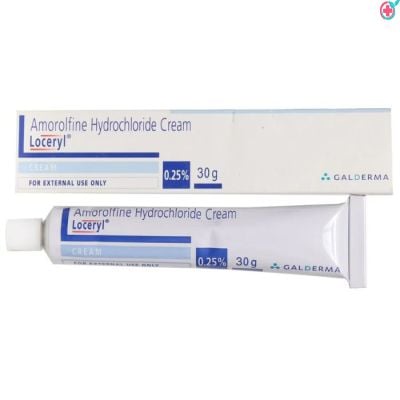
Dermicros Cream (Amorolfine) is used to treat various fungal infections of the skin and nails, including ringworm, athlete's foot, jock itch, and onychomycosis. Amorolfine is an active ingredient that belongs to the antifungal medication.


Product Overview
Dermicros Cream (Amorolfine) is a potent, long-acting topical antifungal medication formulated to treat a variety of skin infections like athlete’s foot, jock itch, and ringworm, along with certain fungal nail infections by inhibiting fungal growth. It contains Amorolfine, a morpholine derivative that provides a unique mechanism of action compared to traditional antifungal treatments. This cream is specifically designed to penetrate the skin layers effectively, targeting the fungal pathogens responsible for conditions such as tinea pedis (athlete's foot), tinea cruris (jock itch), and tinea corporis (ringworm). Its specialized formulation ensures that the active ingredient remains at the site of infection in therapeutic concentrations for an extended period, offering a convenient application schedule while providing rapid relief from itching and redness.
Product Composition
- Active Ingredient: Amorolfine Hydrochloride (0.25% w/w)
- Base: Smooth, white emollient cream base.
- Excipients: Stearyl alcohol, liquid paraffin, white soft paraffin, and carbomer.
- Formulation: Topical cream for external dermatological use.
- Action Category: Morpholine Antifungal.
Product Specifications
| Feature | Description |
| Therapeutic Class | Antifungal |
| Route of Administration | Topical (External) |
| Chemical Class | Morpholine derivative |
| Target Organisms | Dermatophytes, Yeasts, and Molds |
| Frequency | Typically once-daily application |
Mechanism of Action
- Sterol Biosynthesis Interference: Amorolfine works by inhibiting two different enzymes (Delta 14-reductase and Delta 7-Delta 8-isomerase) involved in the fungal sterol synthesis pathway.
- Ergosterol Depletion: By blocking these specific enzymes, it leads to a significant depletion of ergosterol, which is vital for maintaining the fungal cell membrane.
- Igmosterol Accumulation: Simultaneously, it causes an abnormal accumulation of igmosterol within the fungal cell walls.
- Cellular Disruption: These combined effects lead to structural changes and membrane permeability issues, resulting in the cessation of fungal growth (fungistatic) or fungal cell death (fungicidal).
Key Benefits
- Unique Dual-Enzyme Inhibition: Provides a broader spectrum of activity and a lower risk of resistance compared to single-target antifungals.
- Deep Skin Penetration: Formulated to reach the deeper layers of the epidermis where fungal hyphae often reside.
- Extended Efficacy: Maintains therapeutic levels in the skin for up to 24 hours, allowing for once-daily dosing.
- Rapid Symptomatic Relief: Quickly alleviates the discomfort of itching, scaling, and inflammation associated with skin mycoses.
- Excellent Safety Profile: High localized efficacy with negligible systemic absorption, making it suitable for a wide range of patients.
Usage
Usage Guidelines
| Step | Instruction |
| Cleaning | Wash the affected skin area thoroughly and ensure it is completely dry. |
| Application | Apply a thin layer of the cream to the affected site and the immediate surrounding skin. |
| Massage | Gently rub the cream into the skin until it is fully absorbed. |
| Consistency | Use the cream at the same time each day to maintain a steady antifungal effect. |
| Hand Hygiene | Wash your hands immediately after application to avoid spreading the fungus. |
Dosage & Administration
Dermicros Cream should be used as follows to ensure the infection is completely eradicated:
Apply the cream once daily, preferably in the evening before bedtime.
Treatment duration usually ranges from 2 to 6 weeks, depending on the type and severity of the infection.
Continue using the cream for at least 3 to 5 days after all clinical symptoms have disappeared to prevent a relapse.
For Athlete’s Foot, ensure the spaces between the toes are treated and wear clean, breathable cotton socks.
Avoid getting the cream in the eyes, ears, nose, or mouth; if contact occurs, rinse with plenty of water.
If no improvement is observed after 4 weeks of consistent treatment, consult a professional for further evaluation.
Do not use occlusive dressings (airtight coverings) over the treated area unless specifically instructed.
Uses
Tinea Pedis (Athlete's Foot): Treats fungal infections of the feet, particularly between the toes, helping to eliminate scaling and itching.
Tinea Cruris (Jock Itch): Addresses fungal overgrowth in the groin and inner thigh areas often caused by moisture and friction.
Tinea Corporis (Ringworm): Clears red, circular, itchy sores on the body and limbs.
Tinea Manuum: Manages fungal infections affecting the hands and palms.
Pityriasis Versicolor: Treats "sun spots" or fungal patches that cause skin discoloration on the trunk, neck, or arms.
Cutaneous Candidiasis: Targets skin infections caused by yeast (Candida) that result in red, itchy, or inflamed patches.
FAQs
Q: What is Dermicros Cream used for?
A: Dermicros Cream is used for the treatment of fungal skin infections caused by dermatophytes, yeasts, and moulds. It contains Amorolfine, a broad-spectrum antifungal agent that eliminates fungi responsible for conditions including ringworm, athlete's foot, jock itch, cutaneous candidiasis, and other superficial fungal skin infections.
Q: How does Dermicros Cream work?
A: Dermicros Cream works by inhibiting two key enzymes namely Delta 14 reductase and Delta 7 to Delta 8 isomerase involved in the biosynthesis of Ergosterol, an essential component of the fungal cell membrane. This dual enzyme inhibition disrupts the fungal cell membrane integrity, leading to fungal cell death and elimination of the infection from the skin surface.
Q: How should I apply Dermicros Cream?
A: Clean and dry the affected area thoroughly before application. Apply a thin layer of Dermicros Cream to the affected skin and surrounding area once daily as directed by your doctor. Gently massage until absorbed. Wash hands thoroughly before and after application and avoid contact with eyes and mucous membranes.
Q: How long does it take for Dermicros Cream to show results?
A: Most users notice a visible reduction in symptoms such as itching, redness, and scaling within the first few days of regular use. However, complete the full prescribed course of treatment even if symptoms improve earlier to ensure complete elimination of the fungal infection and prevent recurrence.
Q: How long should I use Dermicros Cream?
A: The duration of treatment depends on the type and severity of the fungal infection. Most superficial fungal skin infections require 2 to 6 weeks of treatment with Dermicros Cream.
Q: How is Dermicros Cream different from other antifungal creams?
A: Dermicros Cream contains Amorolfine, which belongs to the morpholine class of antifungals and works through a unique dual enzyme inhibition mechanism targeting Ergosterol biosynthesis. This dual action makes it effective against a broader range of fungi compared to some single-mechanism antifungals such as imidazoles and may reduce the likelihood of antifungal resistance developing during treatment.
Q: Is Dermicros Cream safe for sensitive skin?
A: Dermicros Cream is generally well tolerated by most skin types. Some individuals may experience mild burning, stinging, or irritation at the application site initially. If irritation persists or worsens during treatment, discontinue use and consult your dermatologist for an alternative antifungal treatment option suited to your skin type.
Q: Can Dermicros Cream be used on the face?
A: Dermicros Cream can be used on facial fungal infections only under the supervision and guidance of a dermatologist. Avoid applying near the eyes, mouth, and mucous membranes. Do not self-medicate for facial fungal conditions without a proper medical diagnosis and prescription from a qualified healthcare professional.
Q: Can children use Dermicros Cream?
A: Dermicros Cream should be used in children only under the supervision and guidance of a paediatrician or dermatologist. Always consult a healthcare professional before applying any antifungal cream on children to ensure safe and appropriate use based on the child's age, skin type, and specific fungal condition.
Q: Is Dermicros Cream safe during pregnancy and breastfeeding?
A: Pregnant and breastfeeding women should consult their doctor before using Dermicros Cream. While topical Amorolfine has minimal systemic absorption, medical guidance is always recommended before starting any antifungal treatment during pregnancy or lactation to ensure the safety of both mother and baby.
Q: Can fungal infections recur after using Dermicros Cream?
A: Fungal infections can recur if the full course of treatment is not completed or if proper hygiene and preventive measures are not maintained. To prevent recurrence, complete the full prescribed treatment, keep the skin clean and dry, avoid sharing personal items, wear breathable fabrics and footwear, and maintain good personal hygiene practices.
| Manufacturer | : | Healing Pharma |
| Trade Name | : | Loceryl |
| Generic Search | : | Amorolfine |
| Strength | : | 10gm |
Certified Content

Dr. Priya Nair
Clinical Pharmacist & Senior Drug Information Specialist | 9 years
Pharm.D. (Doctor of Pharmacy)
Latest Products