Ketocip Tablet (Ketoconazole) | Used for Treating Severe Fungal Infections in the Body
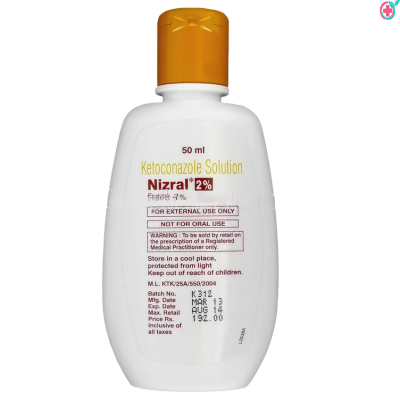
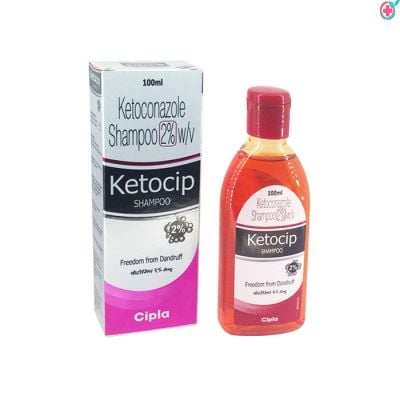
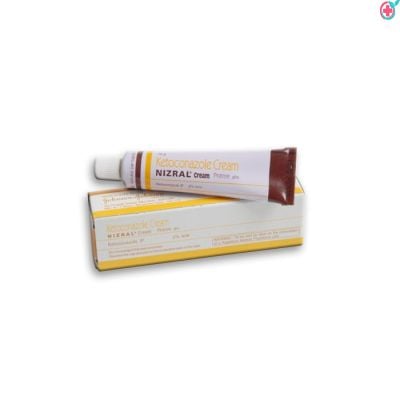
Ketocip Tablet (Ketoconazole) is an antifungal drug used to treat fungal infections of the skin, fungal infection of the foot and hand. It is also used for the prevention and treatment of fungal infection of the scalp including dandruff and yeast infections of the skin. Ketocip, Extina, and Nizoral are the various brand name of Ketoconazole.


Product Overview
Ketocip Tablet contains Ketoconazole is a potent oral antifungal medication used to treat fungal infections affecting the skin, scalp, and internal organs. As a synthetic imidazole derivative, it is primarily utilized when other antifungal therapies are not tolerated or are ineffective. Ketocip works by disrupting the fungal cell membrane, making it effective against various pathogens, including dermatophytes and yeasts. While it is widely recognized for its efficacy in treating conditions like systemic candidiasis and chronic mucocutaneous candidiasis, its use is carefully monitored due to its potent systemic activity and specific metabolic profile.
Product Composition
- Active Ingredient: Ketoconazole
- Concentration: Typically 200 mg per tablet
- Excipients: Corn starch, lactose, magnesium stearate, microcrystalline cellulose, and povidone.
- Formulation: Oral tablet for systemic absorption.
- Action Category: Broad-spectrum systemic antifungal (Imidazole derivative).
Product Specifications
| Feature | Description |
| Therapeutic Class | Systemic Antifungal |
| Route of Administration | Oral |
| Metabolism | Hepatic (Liver) via CYP3A4 enzymes |
| Absorption | Requires an acidic gastric environment for optimal dissolution |
| Target Organisms | Blastomyces, Candida, Coccidioides, Histoplasma, and Dermatophytes |
Mechanism of Action
- Ergosterol Synthesis Blockade: Inhibits the fungal enzyme cytochrome P450 14α-demethylase, which is essential for converting lanosterol into ergosterol.
- Membrane Integrity Loss: The depletion of ergosterol leads to the accumulation of 14α-methyl sterols, which disrupts the packing of the lipid bilayer in the fungal cell membrane.
- Growth Inhibition: The increased membrane permeability causes the leakage of essential cellular components, resulting in the inhibition of fungal growth (fungistatic) or cell death (fungicidal) at higher concentrations.
- Steroidogenesis Interference: In addition to its antifungal properties, Ketoconazole can inhibit certain steroid synthesis pathways in humans at high doses, which is sometimes utilized in specific non-fungal clinical settings.
Key Benefits
- Systemic Reach: Provides a whole-body therapeutic effect, reaching infection sites that may be inaccessible to topical treatments.
- Broad-Spectrum Efficacy: Treats a wide variety of fungal strains, including those responsible for deep-seated systemic mycoses.
- High Potency: Offers a strong clinical response for chronic infections that have shown resistance to other first-line antifungal agents.
- Proven Clinical History: Long-standing use in dermatology and infectious disease for managing complex fungal profiles.
Precautions
General Precautions
| Aspect | Precaution |
|---|---|
| Medical Supervision | Use only under strict doctor supervision due to risk of liver toxicity |
| Liver Health | Regular liver function tests are required during treatment |
| Alcohol Use | Avoid alcohol as it increases risk of liver damage |
| Pregnancy & Breastfeeding | Use only if clearly prescribed by a doctor |
| Dosage Compliance | Do not exceed prescribed dose or duration |
Key Safety Guidelines
- Take exactly as directed by your healthcare professional
- Inform your doctor about any history of liver disease
- Monitor for symptoms like fatigue, dark urine, or yellowing of skin/eyes
- Avoid self-medication or switching antifungal drugs without guidance
- Keep out of reach of children
- Store in a cool, dry place away from moisture and sunlight
Important Note
- Discontinue use and seek immediate medical attention if signs of liver problems occur
- Regular monitoring is essential during prolonged therapy
- Use only when clearly indicated due to potential serious side effects of oral antifungals
Usage
Usage Guidelines
| Step | Instruction |
| Timing | Should be taken during or immediately after a meal to enhance absorption and reduce stomach upset. |
| Gastric Acidity | Requires an acidic environment for dissolution; avoid taking antacids or H2 blockers within 2 hours of administration. |
| Beverage Choice | If gastric acidity is low, taking the tablet with an acidic drink like cola may improve absorption. |
| Consistency | Take the medication at the same time every day to maintain a steady concentration in the bloodstream. |
| Completion | Finish the entire prescribed course even if symptoms disappear to prevent the infection from returning. |
Dosage & Administration
Ketocip Tablets must be used strictly under professional supervision. The administration details are as follows:
The standard adult dose is typically one 200 mg tablet taken once daily.
In cases of severe infection, the dosage may be increased to 400 mg once daily based on clinical response.
Dosage for children is determined by body weight and should only be administered by a specialist.
Liver function tests (LFTs) are often required before and during treatment to monitor hepatic health.
Avoid the consumption of alcohol during treatment, as it may increase the risk of liver toxicity.
If a dose is missed, take it as soon as remembered, unless it is almost time for the next dose; do not double the dose.
Uses
Systemic Mycoses: Indicated for the treatment of systemic fungal infections such as blastomycosis, coccidioidomycosis, and histoplasmosis.
Chronic Mucocutaneous Candidiasis: Manages persistent fungal infections of the skin, mucous membranes, and nails that do not respond to topical therapy.
Severe Recalcitrant Dermatophytosis: Used for extensive or deep-seated skin fungal infections that cannot be managed with creams or lotions.
Gastrointestinal Mycoses: Treats fungal overgrowth within the digestive tract.
Cushing’s Syndrome (Off-label): Sometimes utilized in specific clinical settings to manage cortisol overproduction due to its ability to inhibit steroidogenesis.
Side effects
Common Side Effects
- Nausea or stomach discomfort
- Headache
- Mild abdominal pain
- Diarrhea or constipation
- Dizziness
Less Common Side Effects
- Skin rash or itching
- Increased liver enzymes in blood tests
- Loss of appetite
- Fatigue or weakness
- Mild hair thinning
Rare Side Effects
| Rare Side Effect | Description |
|---|---|
| Liver Toxicity | Severe liver damage leading to jaundice or hepatitis symptoms |
| Severe Allergic Reaction | Rash, swelling, difficulty breathing, or anaphylaxis |
| Hormonal Imbalance | Rare endocrine effects with prolonged use |
| Adrenal Suppression | Very rare disruption of adrenal hormone production |
| Severe Skin Reaction | Blistering or extensive skin irritation |
Safety Note
- Discontinue use immediately if signs of liver problems occur (yellowing of skin/eyes, dark urine)
- Seek urgent medical attention for severe allergic reactions
- Regular liver function monitoring is essential during treatment
- Use only under strict medical supervision due to potential serious side effects
FAQs
Q: What is Ketocip Tablet used for?
A: Ketocip Tablet is used for the treatment of serious and systemic fungal infections including candidiasis, histoplasmosis, blastomycosis, coccidioidomycosis, and dermatophyte infections that have not responded to topical antifungal treatments.
Q: How does Ketocip Tablet work?
A: Ketocip Tablet works by inhibiting the synthesis of Ergosterol, an essential component of the fungal cell membrane. Without Ergosterol, the fungal cell membrane becomes unstable and permeable, disrupting fungal cell integrity and preventing the growth, reproduction, and spread of fungi and yeast throughout the body.
Q: How should I take Ketocip Tablet?
A: Take Ketocip Tablet exactly as prescribed by your doctor. It is generally taken once daily with a meal to enhance absorption and reduce the risk of stomach upset. Swallow the tablet whole with a glass of water and do not crush or chew. Never self-medicate or adjust the dose without medical advice.
Q: How long does it take for Ketocip Tablet to show results?
A: The time taken to show results depends on the type and severity of the fungal infection. Most patients begin to notice improvement within 2 to 4 weeks of starting treatment. However, complete the full prescribed course of treatment even if symptoms improve earlier to prevent recurrence and ensure complete elimination of the infection.
Q: How long should I take Ketocip Tablet?
A: The duration of treatment depends on the type and severity of the fungal infection. Treatment courses may range from a few weeks to several months depending on the infection being treated.
Q: Can Ketocip Tablet affect the liver?
A: Yes, Ketoconazole has been associated with potential hepatotoxicity, which refers to liver damage. Regular monitoring of liver function tests is recommended during treatment. Inform your doctor immediately if you experience symptoms such as yellowing of the skin or eyes, dark urine, persistent nausea, or abdominal pain during treatment.
Q: Can Ketocip Tablet interact with other medications?
A: Yes, Ketoconazole has significant interactions with a wide range of medications including anticoagulants, antihistamines, statins, benzodiazepines, and certain antiviral drugs. Always inform your doctor about all medications, supplements, and herbal products you are currently taking before starting Ketocip Tablet to avoid potentially serious drug interactions.
Q: Can I drink alcohol while taking Ketocip Tablet?
A: Alcohol consumption should be avoided during treatment with Ketocip Tablet. Alcohol may increase the risk of liver damage and worsen side effects associated with Ketoconazole. Consult your doctor for specific dietary and lifestyle guidance during the course of treatment.
Q: What are the common side effects of Ketocip Tablet?
A: Common side effects of Ketocip Tablet include nausea, vomiting, stomach pain, headache, dizziness, and skin rash. More serious but rare side effects include liver damage and hormonal changes. Consult your doctor promptly if you experience any persistent or severe side effects during treatment.
Q: Can Ketocip Tablet be used for skin fungal infections?
A: Ketocip Tablet is generally reserved for severe or systemic fungal infections that have not responded to topical antifungal treatments. For mild to moderate superficial skin fungal infections, topical antifungal creams or gels are usually preferred as the first line of treatment.
Q: Is Ketocip Tablet safe during pregnancy and breastfeeding?
A: Ketocip Tablet is not recommended during pregnancy as Ketoconazole may cause harm to the developing foetus. Breastfeeding women should also avoid using Ketocip Tablet as Ketoconazole may pass into breast milk. Always consult your doctor for safe antifungal treatment alternatives during pregnancy and breastfeeding.
Q: Can Ketocip Tablet affect hormone levels?
A: Yes, Ketoconazole can interfere with the synthesis of steroid hormones including testosterone and cortisol, particularly at higher doses. This may cause hormonal side effects in some individuals. Inform your doctor if you notice any hormonal changes or related symptoms during treatment.
Q: Can I take Ketocip Tablet on an empty stomach?
A: It is generally recommended to take Ketocip Tablet with a meal to improve absorption and reduce the risk of gastrointestinal side effects such as nausea and stomach upset. Avoid taking it on an empty stomach unless specifically directed by your doctor.
Q: Where should I store Ketocip Tablet?
A: Store Ketocip Tablet in a cool and dry place away from direct sunlight, heat, and moisture. Keep out of reach of children and always check the expiry date on the packaging before use.
| Manufacturer | : | Cipla Pharma, India |
| Trade Name | : | Nizoral |
| Generic Search | : | Ketoconazole |
| Strength | : | 200mg |
Certified Content

Dr. Priya Nair
Clinical Pharmacist & Senior Drug Information Specialist | 9 years
Pharm.D. (Doctor of Pharmacy)
Latest Products