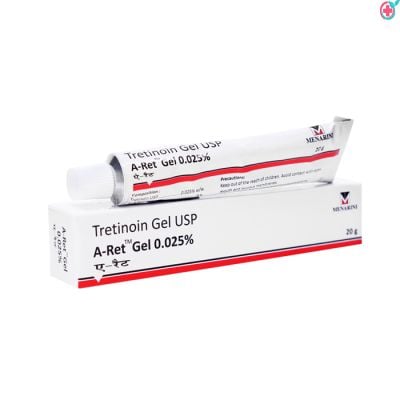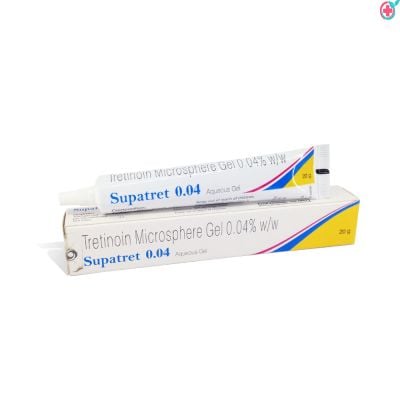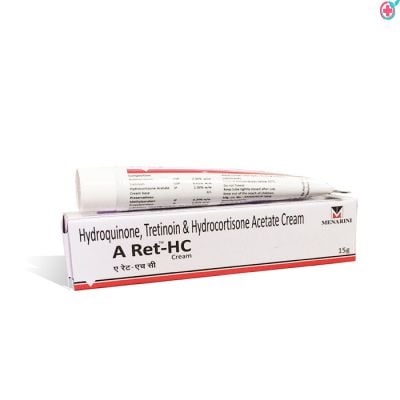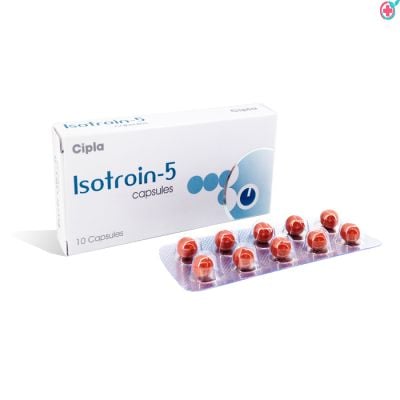
Tretiva Capsule (Isotretinoin)
Tretiva Capsule (Isotretinoin) is an oral medication used for the treatment of severe and resistant acne, including cystic and nodular acne. It works by reducing excess oil production, unclogging pores, and controlling acne-causing bacteria. With regular use under medical supervision, it helps improve skin clarity and prevents future breakouts.


Product Overview
Tretiva Capsule contains Isotretinoin, a systemic retinoid for the management of severe, recalcitrant acne that has not responded to other standard treatments. It works by targeting the core factors that contribute to acne: it significantly reduces the size and activity of sebaceous glands, thereby decreasing sebum production, and normalizes the keratinization process within the hair follicles to prevent blockages. This systemic action helps eliminate deep inflammatory cysts and reduces the likelihood of permanent scarring. Given its potency and potential for side effects, Tretiva requires ongoing medical supervision to ensure safe and effective management of severe skin conditions.
Product Composition
- Isotretinoin (various strengths available)
- Beeswax
- Hydrogenated vegetable oil
- Partially hydrogenated soybean oil
- Gelatin
- Glycerin
Product Specification
| Feature | Details |
| Brand Name | Tretiva |
| Category | Oral Retinoid |
| Indication | Severe, recalcitrant acne |
| Form | Soft gelatin capsule |
| Storage Conditions | Store in a cool dry place, protect from light and moisture |
Mechanism of Action
- Decreases the size and secretory activity of sebaceous glands to lower oil production
- Inhibits abnormal keratinization, preventing the formation of clogged pores and comedones
- Exhibits anti-inflammatory effects that help resolve severe cystic acne lesions
- Suppresses the proliferation of acne-causing bacteria by creating an environment less favorable for their growth
Key Benefits
- Offers a highly effective solution for severe acne cases resistant to conventional therapies
- Helps achieve long-term remission and prevents the formation of permanent acne scars
- Addresses acne at the source by regulating skin cell behavior and reducing excessive oil
- Provides a structured, medical approach to clearing severe and persistent skin breakouts
Precautions
General Precautions
| Precaution | Details |
|---|---|
| Prescription Only | Use strictly under dermatologist supervision |
| Pregnancy Safety | Do not use during pregnancy due to high risk of birth defects |
| Contraception | Effective contraception is mandatory during treatment and after stopping as advised |
| Dosage Compliance | Do not change dose or stop without medical advice |
| Blood Monitoring | Regular liver function and lipid profile tests are required |
Skin and Body Care Precautions
- Expect dryness of lips, skin, and eyes during treatment
- Use moisturizers and lip balms regularly
- Avoid waxing, laser treatments, and chemical peels during therapy
- Limit sun exposure and use sunscreen daily
Lifestyle Precautions
- Avoid alcohol as it may increase liver toxicity risk
- Do not donate blood during and for some time after treatment
- Stay hydrated to reduce dryness symptoms
- Avoid wearing contact lenses if experiencing dry eyes
Mental Health Precautions
- Monitor mood changes, depression, or anxiety
- Report any behavioral or emotional changes immediately to a doctor
Storage Precautions
- Store in a cool, dry place away from sunlight
- Keep out of reach of children
- Do not use expired capsules
Usage
Dosage
The dosage is highly individualized and determined by a healthcare professional based on your body weight and the severity of the condition. Always follow the specific dose prescribed by your doctor.
Administration
| Instruction | Method |
| Preparation | Take the capsule whole with a full glass of water or milk |
| Application | It is recommended to take this medication with a high-fat meal to enhance absorption |
| Technique | Do not crush, chew, or open the capsule before swallowing |
| Consistency | Maintain a regular schedule and do not miss doses to ensure the best therapeutic outcome |
Uses
Treatment of severe, recalcitrant nodular acne
Management of acne prone to permanent scarring
Reduction of inflammatory acne lesions that do not respond to conventional therapies
Improvement of skin texture and prevention of future breakout cycles in severe cases
Side Effects
Common Side Effects
- Dry lips and chapped lips
- Dry skin and mild peeling
- Dry eyes and eye irritation
- Nose dryness and occasional nosebleeds
- Increased skin sensitivity
Less Common Side Effects
- Muscle and joint pain
- Headache
- Temporary worsening of acne in early weeks
- Hair thinning or dryness
- Increased sensitivity to sunlight
Serious Side Effects
| Serious Side Effect | Description |
|---|---|
| Severe birth defects | High risk of fetal abnormalities if taken during pregnancy |
| Liver toxicity | Elevated liver enzymes, jaundice, or dark urine |
| High blood lipid levels | Increased cholesterol or triglycerides |
| Severe mood changes | Depression, anxiety, or behavioral changes |
| Vision problems | Night vision difficulty or persistent eye irritation |
Monitoring
- Regular blood tests for liver function and lipid levels are required
- Monitor mood and behavior changes closely
- Watch for severe dryness or persistent irritation
- Report any unusual symptoms immediately to a doctor
FAQs
Q: Is isotretinoin a permanent cure for acne?
A: For many patients, a single course of treatment leads to long-term remission of acne. However, some individuals may experience a recurrence of acne that requires further evaluation by a dermatologist.
Q: Is isotretinoin same as tretinoin?
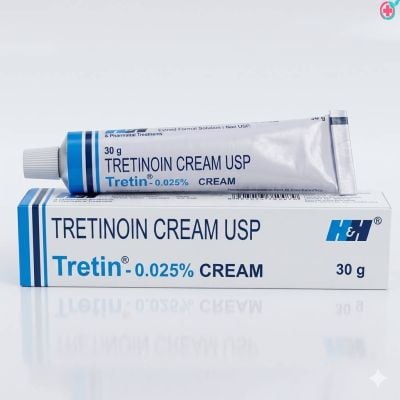
A: No. While both are related to Vitamin A, isotretinoin is a systemic oral medication used for severe acne, whereas tretinoin is a topical retinoid applied directly to the skin surface.
Q: Can I take ibuprofen/ creatinine/ vitamins/ Tylenol (paracetamol)/ antibiotics with isotretinoin?
A: You must consult your prescribing physician before taking any other medications, supplements, or over-the-counter drugs, as certain interactions—particularly with other vitamin A derivatives or specific antibiotics—can pose significant health risks.
Q: Should isotretinoin be taken by pregnant women?
A: Absolutely not. Isotretinoin is known to cause severe birth defects and must never be used by individuals who are pregnant or planning to become pregnant.
Q: Does isotretinoin cause weight gain/weight loss/hair loss/affect menstrual cycle?
A: While these are reported side effects in some individuals, they vary significantly from person to person. You should discuss any concerns regarding these specific symptoms with your doctor to monitor your health throughout the treatment.
Q: Can isotretinoin be taken with milk?
A: Yes, taking the capsule with milk or a meal containing fat is recommended to improve the absorption of the medication into your system.
Q: How long can I use isotretinoin?
A: The duration is determined by your dermatologist based on your specific condition and response to treatment, with typical courses lasting between four to six months.
Q: Is isotretinoin effective?
A: Yes, it is widely considered one of the most effective treatments available for severe, recalcitrant acne that has not responded to other forms of therapy.
Q: Can it be used for oily skin?
A: Isotretinoin is known to significantly reduce oil production in the skin, which is one of the primary ways it treats acne.
Q: Can it be used for mild acne and does it clear scars permanently?
A: It is generally reserved for severe, resistant acne rather than mild cases. While it helps prevent new lesions that cause scarring, it does not directly remove or "cure" deep, existing acne scars.
Q: Can I donate blood while taking Tretiva?
A: No, you should not donate blood while taking this medication and for at least one month after stopping treatment, as the drug can remain in your system.
Q: Why is it important to take this with a high-fat meal?
A: Taking the capsule with a meal containing some fat helps significantly improve the absorption of the medication into your body, ensuring you receive the full intended dose.
Q: What are the most common side effects?
A: Common effects include dryness of the skin, lips, and eyes. It is recommended to use a mild moisturizer, lip balm, and artificial tears as needed to maintain comfort.
Interactions
Drug Interactions
| Drug / Product Type | Interaction Details |
|---|---|
| Tetracycline Antibiotics (e.g., Doxycycline) | Increased risk of intracranial hypertension (raised brain pressure) |
| Vitamin A Supplements | Risk of vitamin A toxicity and increased side effects |
| Other Retinoids | Severe dryness and increased toxicity when combined |
| Phenytoin | May alter drug levels and increase risk of adverse effects |
| Corticosteroids | May increase risk of bone weakening with prolonged use |
Topical Product Interactions
- Avoid using strong exfoliants such as retinoid creams, AHAs, or BHAs concurrently
- Do not combine with harsh acne treatments unless prescribed
- Minimize use of alcohol-based skincare products due to increased dryness
Skin Care Product Interactions
- Avoid astringents, alcohol-based toners, and medicated cleansers
- Use gentle, hydrating, non-comedogenic skincare products
- Fragranced or irritating products may worsen skin dryness and sensitivity
Food and Lifestyle Interactions
- Avoid excessive alcohol consumption due to liver toxicity risk
- High vitamin A intake should be avoided
- Grapefruit juice may alter drug metabolism and should be avoided
Condition Based Interactions
- Use cautiously in patients with liver disorders or high lipid levels
- May worsen inflammatory bowel disease in some cases
- Requires close monitoring in patients with psychiatric history
Monitoring Interactions
- Regular liver function and lipid profile tests are essential
- Monitor for mood changes, dryness, or unusual symptoms
- Immediate medical attention required for severe side effects
| Manufacturer | : | A. Menarini India Pvt Ltdine HCL) |
| Trade Name | : | Accutane |
| Generic Search | : | Isotretinoin |
| Strength | : | 5 mg, 10 mg, 20 mg, 25 mg, 30 mg, 40 mg |
Certified Content

Dr. Priya Nair
Clinical Pharmacist & Senior Drug Information Specialist | 9 years
Pharm.D. (Doctor of Pharmacy)
Latest Products