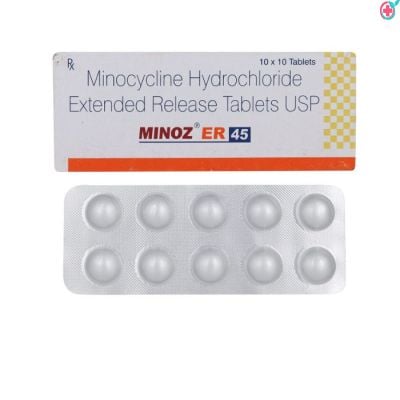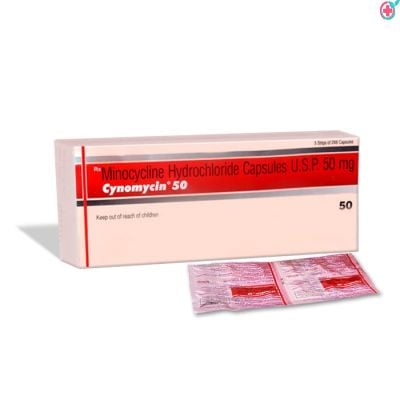
Minicycline Capsule (Doxycycline) | Vibramycin | Used to Treat Acne, UTIs, Sinus, and Respiratory Infections
Minicycline Capsule (Doxycycline) is an anti-toxin medication used to treat bacterial infections in your body. It is successful in certain diseases of the lungs, urinary plot, eyes, and others. It kills microbes, which assists with working on your side effects and fixing the disease. It might likewise be utilized for the treatment of extreme skin break out.


Product Overview
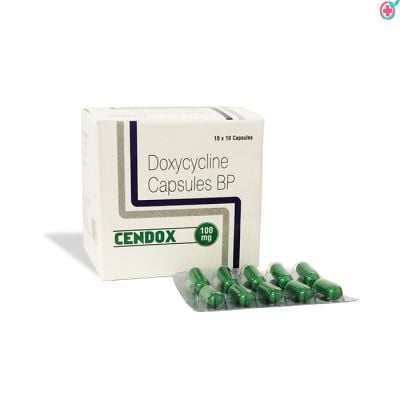
Minicycline Capsule a broad spectrum antibiotic used for the effective treatment of various bacterial infections. It works by stopping the growth of bacteria, helping the body to clear infection quickly and effectively. Minicycline Capsule is an antibiotic belonging to the tetracycline class, specifically formulated to treat a wide array of bacterial infections. Containing Doxycycline as the active therapeutic agent, this medication is highly effective against both Gram-positive and Gram-negative bacteria. It is frequently prescribed for respiratory tract infections, specific skin conditions like acne, and certain waterborne or tick-borne illnesses. Its high bioavailability and long half-life make it a reliable choice for achieving consistent systemic antibacterial action.
It is commonly used to treat a variety of bacterial infections such as acne, urinary tract infections, respiratory infections, and sexually transmitted diseases.
Product Composition
- Active Ingredient: Doxycycline Hydrochloride (equivalent to Doxycycline 100 mg)
- Capsule Shell: Pharmaceutical Grade Gelatin
- Excipients: Microcrystalline Cellulose and Magnesium Stearate
- Colorants: Approved food-grade dyes for capsule identification
Product Specifications
| Feature | Details |
| Brand Name | Minicycline Capsule |
| Generic Name | Doxycycline |
| Therapeutic Category | Tetracycline Antibiotic |
| Dosage Form | Oral Capsule |
| Strength | 100 mg |
Mechanism of Action
- Inhibits bacterial protein synthesis by binding to the 30S ribosomal subunit of susceptible microorganisms.
- Blocks the attachment of aminoacyl-tRNA to the mRNA-ribosome complex, preventing the addition of amino acids to the peptide chain.
- Exhibits bacteriostatic activity, effectively halting the growth and replication of bacterial colonies.
- Provides high lipid solubility, allowing the medication to penetrate bacterial cell walls and reach therapeutic concentrations in various body tissues.
Key Benefits
- Provides powerful systemic treatment for moderate to severe inflammatory acne and rosacea.
- Effectively targets bacterial infections of the lungs, urinary tract, and soft tissues.
- Offers a convenient dosing schedule due to its prolonged duration of action in the bloodstream.
- Acts as a vital treatment for prophylaxis and management of malaria in specific regions.
- Minimizes the risk of bacterial resistance when taken according to the full prescribed course.
Precautions
Medical Supervision
- Use Minicycline Capsule (Doxycycline) only under a doctor’s prescription
- Do not self-medicate or adjust dosage without medical advice
- Complete the full course even if symptoms improve early
Food and Drug Interactions
- Avoid taking with milk, antacids, iron, or calcium supplements as they may reduce absorption
- Take with a full glass of water to prevent irritation of the esophagus
- Do not lie down immediately after taking the capsule
Sun Exposure
- May increase sensitivity to sunlight
- Avoid prolonged sun exposure or tanning beds during treatment
- Use sunscreen and protective clothing when outdoors
Special Populations
- Not recommended for children under 8 years due to risk of tooth discoloration
- Pregnant and breastfeeding women should use only if clearly advised by a doctor
- Use caution in elderly patients with liver or kidney issues
Existing Health Conditions
- Inform your doctor if you have liver disease, kidney disease, or esophageal problems
- Use carefully in patients with a history of allergies to antibiotics
| Precaution Type | Recommendation |
|---|---|
| Administration | Take with water, avoid lying down after dose |
| Food interactions | Avoid dairy, calcium, iron, antacids |
| Sun sensitivity | Use sun protection and avoid excessive exposure |
| Pediatric use | Not suitable for children under 8 years |
| Pregnancy & lactation | Use only if prescribed by doctor |
| Treatment course | Complete full antibiotic course as prescribed |
Usage
This section provides the necessary clinical guidelines for the safe and effective administration of Minicycline capsules to ensure optimal recovery from bacterial infections.
Dosage
Initial Dosage: The standard adult dose is typically 200 mg on the first day, followed by a maintenance dose of 100 mg daily.
Severe Infections: Depending on the severity of the condition, your physician may recommend 100 mg administered twice daily.
Duration: Always complete the entire course of therapy as prescribed by your doctor to ensure the infection is fully eradicated.
Administration
Ingestion: Swallow the capsule whole with a full glass of water to assist movement through the esophagus.
Timing: It is best to take the medication during a meal to reduce the risk of gastric irritation.
Posture: Remain in an upright position for at least 30 minutes after taking the capsule to prevent throat irritation.
Interactions: Space your dose at least two hours apart from dairy products, antacids, calcium supplements, or iron preparations to ensure proper absorption.
Administration Guidelines
| Instruction | Recommended Action |
| Water Intake | Drink a full glass of water with each dose |
| Body Position | Do not lie down for 30 minutes post-dose |
| Sun Protection | Use sunscreen and protective clothing outdoors |
| Absorption | Avoid dairy and antacids near dose time |
Uses
Acne and Rosacea: Highly effective in reducing inflammation and bacterial growth associated with severe acne and rosacea.
Respiratory Infections: Used to treat bronchitis, pneumonia, and other bacterial infections of the respiratory tract.
Urinary Tract Infections: Provides systemic relief for specific bacterial infections affecting the urinary system.
Tick-Borne Diseases: Serves as a primary treatment for conditions like Lyme disease and Rocky Mountain spotted fever.
Bacterial Prophylaxis: Often prescribed for the prevention of malaria and other travel-related bacterial conditions in specific regions.
Side effects
Common Side Effects
- Nausea or stomach upset
- Vomiting or loss of appetite
- Diarrhea or loose stools
- Mild headache
- Sensitivity to sunlight (photosensitivity)
Less Common Side Effects
- Skin rash or itching
- Dizziness or lightheadedness
- Mouth or throat irritation
- Vaginal yeast infection
Serious Side Effects
| Serious Side Effect | Symptoms | What to Do |
|---|---|---|
| Severe allergic reaction | Swelling, difficulty breathing, hives | Stop immediately and seek emergency care |
| Severe diarrhea | Watery or bloody stools | Discontinue and consult doctor urgently |
| Liver problems | Yellowing of skin/eyes, dark urine, fatigue | Immediate medical attention required |
| Esophageal irritation | Pain or difficulty swallowing, chest pain | Stop medicine and seek medical advice |
| Increased intracranial pressure (rare) | Severe headache, vision changes | Stop use and consult doctor immediately |
Monitoring
Gastrointestinal Monitoring
- Watch for persistent nausea, vomiting, or diarrhea
- Report severe or watery stools immediately
Skin and Allergy Monitoring
- Check for rash, itching, or signs of allergic reaction
- Discontinue if skin reaction worsens
Liver Function Monitoring
- Observe for jaundice, unusual fatigue, or dark urine
- Inform doctor if any liver-related symptoms appear
Neurological Monitoring
- Watch for severe headaches or vision disturbances
- Seek medical help if symptoms persist or worsen
Treatment Response
- Ensure infection symptoms gradually improve during course
- Consult doctor if no improvement after prescribed duration
FAQs
Q: What is Minicycline used for?
A: This antibiotic is used to treat a wide range of bacterial infections, including severe acne, respiratory tract infections, urinary tract infections, and certain tick-borne diseases.
Q: How should I take this medication for the best results?
A: You should swallow the capsule whole with a full glass of water while sitting or standing upright to prevent irritation of the throat or esophagus.
Q: Can this capsule be taken with food or milk?
A: While it can be taken with food if stomach upset occurs, you should avoid taking it simultaneously with dairy products or antacids as they can interfere with absorption.
Q: What should I do if I miss a scheduled dose?
A: Take the missed dose as soon as you remember, but skip it if it is almost time for your next dose to avoid doubling the medication.
Q: Are there any specific activities I should avoid while on this treatment?
A: You should limit prolonged exposure to direct sunlight or tanning beds because this medication can make your skin significantly more sensitive to sunburn.
Q: Is it necessary to finish the entire course of capsules?
A: Yes, you must complete the full duration of the prescription even if you feel better to ensure the infection is completely cleared and to prevent antibiotic resistance.
Q: Can pregnant or breastfeeding women take this medication?
A: This medication is generally not recommended during pregnancy or breastfeeding as it may affect bone and tooth development in the developing baby.
Q: What are the common side effects associated with this antibiotic?
A: Some patients may experience mild nausea, diarrhea, or an upset stomach, which typically subsides as the body adjusts to the medication.
Interactions
Antacids and Mineral Supplements
- Avoid taking Minicycline (Doxycycline) with antacids containing aluminum, magnesium, or calcium
- Iron, zinc, and calcium supplements may reduce absorption and effectiveness
- Maintain a gap of at least 2 to 3 hours between doses if unavoidable
Dairy Products
- Milk, cheese, and other dairy products can interfere with absorption
- Take the capsule with plain water for best results
- Avoid consuming dairy close to the medication timing
Other Antibiotics
- Using with other antibiotics may increase risk of side effects or alter effectiveness
- Combination therapy should only be done under medical supervision
Blood Thinners
- May increase the effect of anticoagulants like warfarin
- Requires close monitoring of bleeding risk and dosage adjustment
Oral Contraceptives
- May reduce effectiveness of birth control pills
- Additional contraceptive methods may be recommended during treatment
Retinoid Medicines
- Avoid combining with isotretinoin or similar acne treatments
- Increased risk of intracranial pressure and side effects
| Interacting Substance | Possible Effect | Recommendation |
|---|---|---|
| Antacids (Ca, Mg, Al) | Reduced antibiotic absorption | Take 2–3 hours apart |
| Dairy products | Lower drug effectiveness | Avoid near dosing time |
| Iron and zinc supplements | Reduced absorption | Separate timing required |
| Blood thinners | Increased bleeding risk | Medical monitoring needed |
| Oral contraceptives | Reduced effectiveness | Use backup contraception |
| Retinoids (acne meds) | Increased side effect risk | Avoid combination unless prescribed |
| Manufacturer | : | A. Menarini India Pvt Ltdine HCL) |
| Trade Name | : | Vibramycin |
| Generic Search | : | Doxycycline Hydrochloride |
| Strength | : | 100 mg |
Certified Content

Dr. Priya Nair
Clinical Pharmacist & Senior Drug Information Specialist | 9 years
Pharm.D. (Doctor of Pharmacy)
Latest Products