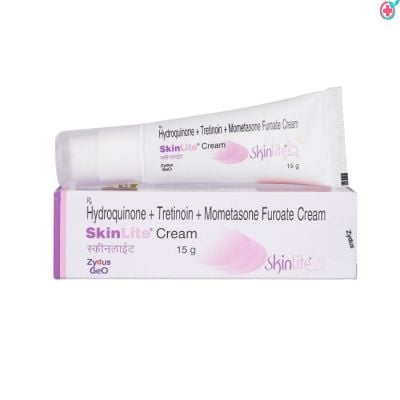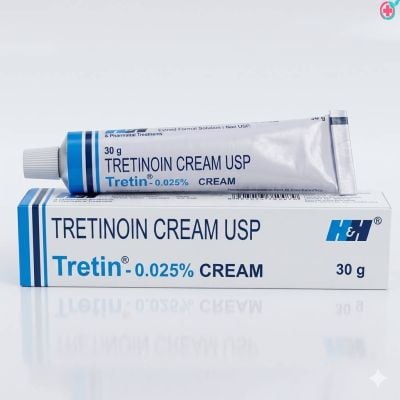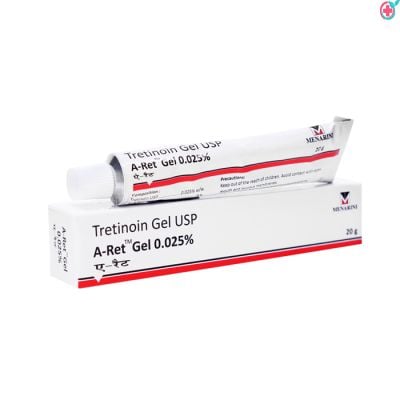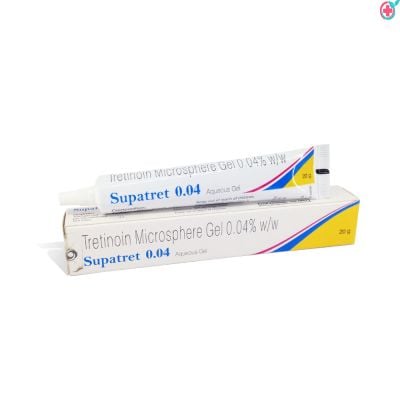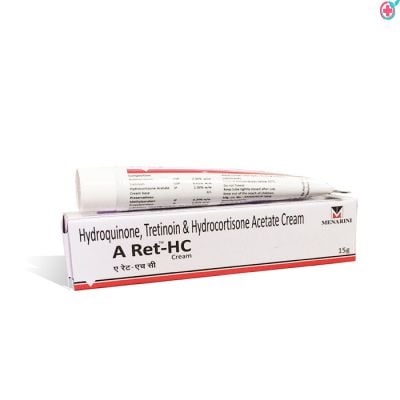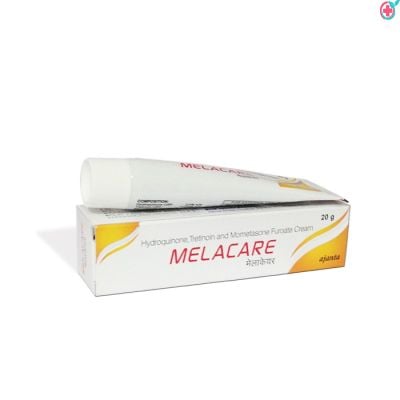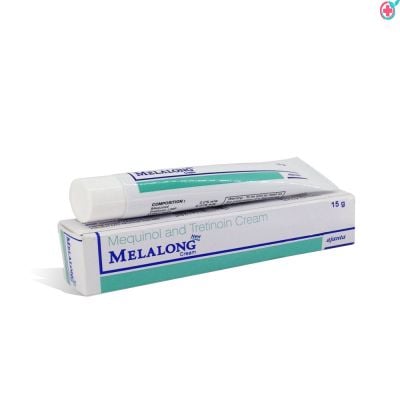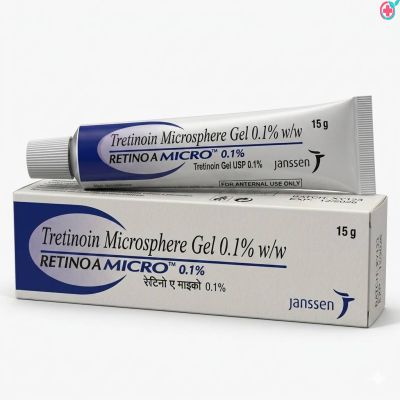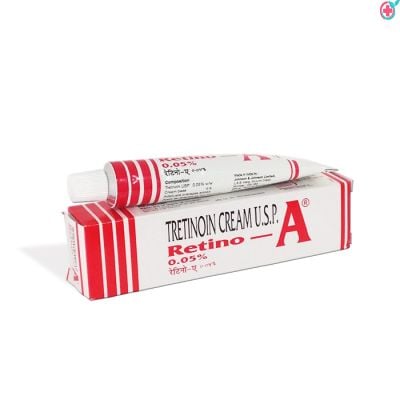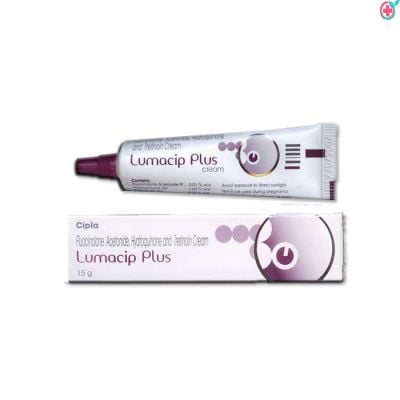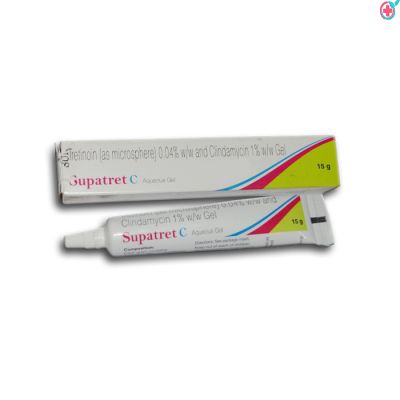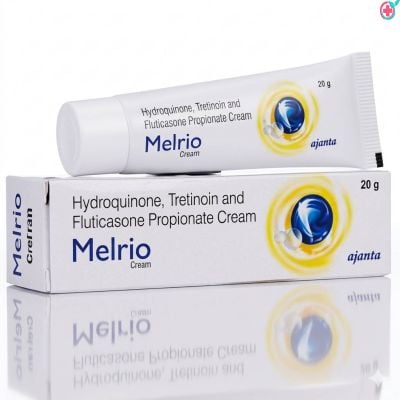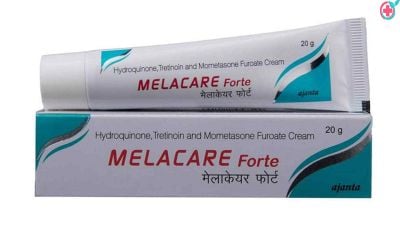
Tretinoin Cream (Tretiheal) 0.025%, 0.05%, 0.1%| Used to Treat Acne and Sun-Damaged Skin
Tretinoin Cream is a type of vitamin A that is utilized to treat skin inflammation, which shows up as spots or pimples all over the chest or back. It likewise assists with smoothing unpleasant facial skin and reducing fine kinks on the skin.


Product Overview
Tretiheal contains Tretinoin, a synthetic derivative of Vitamin A and a member of the retinoid family. It is widely considered the most effective topical treatment for acne and is also a gold-standard therapy for reversing the signs of photoaging (sun damage). Tretinoin works by accelerating the rate of skin cell turnover, which prevents dead skin cells from clogging pores and promotes the production of new, healthier cells.
Beyond its efficacy in clearing existing acne and preventing new breakouts, Tretinoin is celebrated for its ability to stimulate collagen synthesis, improve skin elasticity, and reduce the appearance of fine lines, wrinkles, and surface roughness. It is a powerful corrective agent that transforms skin structure over time.
Product Composition
- Active Ingredient:
- Tretinoin (Retinoic Acid): Available in various concentrations (commonly 0.025%, 0.05%, or 0.1%) to accommodate different skin tolerance levels.
- Formulation: A specialized cream base designed to deliver the potent retinoid while minimizing potential irritation.
- Action Category: Retinoid / Keratolytic / Anti-acne agent.
Product Specifications
| Feature | Description |
| Therapeutic Class | Dermatological / Retinoid |
| Route of Administration | Topical |
| Primary Indication | Acne vulgaris, fine lines, skin texture improvement |
| Mechanism | Retinoic acid receptor activation, increased cellular turnover |
| Storage | Store in a cool, dark place; keep tightly closed |
Mechanism of Action
- Cellular Turnover: Tretinoin binds to specific receptors (RARs) in the skin, dramatically increasing the rate at which skin cells divide and shed. This rapid turnover clears existing comedones (clogged pores) and prevents the formation of new ones.
- Anti-Inflammatory Effect: It possesses mild anti-inflammatory properties that help calm the redness and swelling associated with active acne lesions.
- Collagen Stimulation: In the dermis, Tretinoin inhibits enzymes that break down collagen and stimulates fibroblasts to produce new collagen and elastin, leading to firmer, smoother skin over extended use.
Key Benefits
- Acne Clearance: Highly effective at eliminating both non-inflammatory (blackheads/whiteheads) and inflammatory acne.
- Anti-Aging: Clinically proven to reduce fine lines and wrinkles by promoting deep-layer skin repair.
- Texture Correction: Dramatically refines skin tone and surface texture by smoothing out roughness.
- Pore Refinement: Keeps pores clear, which helps them appear smaller and less congested.
Precautions
Medical supervision
- Use only under dermatological guidance, especially for higher strengths (0.05% and 0.1%)
- Not recommended for self-use or long-term unsupervised application
- Avoid use for mild or occasional acne without proper evaluation
Skin conditions
| Condition | Precaution |
|---|---|
| Sensitive skin | High risk of irritation, start with lower strength (0.025%) |
| Broken or inflamed skin | Do not apply on cuts, wounds, or severely irritated skin |
| Eczema or rosacea | May worsen condition, use only if prescribed |
| Allergic history | Avoid if allergic to tretinoin or retinoids |
Application safety
- Apply a pea-sized amount at night on clean, dry skin
- Avoid contact with eyes, lips, and mucous membranes
- Wash hands after application
Sun exposure care
- Skin becomes highly sensitive to sunlight during use
- Use broad-spectrum sunscreen daily
- Avoid prolonged sun exposure and tanning
Usage precautions
- Start gradually (alternate days) to reduce irritation
- Avoid combining with other strong exfoliating or irritating products unless advised
- Do not overapply as it may increase redness and peeling
Special precautions
- Not recommended during pregnancy or planning pregnancy
- Use caution during breastfeeding and consult a doctor
Monitoring advice
- Initial dryness, redness, and peeling are common (retinoid reaction)
- Seek medical advice if severe irritation or burning occurs
- Stop use if signs of allergic reaction develop
Usage
Application Guidelines
Tretinoin is a powerful therapeutic agent. Because it is highly active, your application technique is just as important as the medication itself.
| Aspect | Instruction |
| Frequency | Apply only at night; start 2–3 times a week, increasing as tolerated |
| Quantity | Use a pea-sized amount for the entire face |
| Method | Apply a thin, even layer to clean, dry skin |
| Preparation | Wait 20–30 minutes after washing your face before application |
Administration & Best Practices
The "Sandwich" Method: If you have sensitive skin, apply a thin layer of light moisturizer first, then your Tretiheal, and finish with another layer of moisturizer. This can help mitigate irritation while still delivering the active ingredients.
Avoid Sensitive Areas: Never apply Tretinoin to the corners of the mouth, the folds of the nose, or the delicate skin directly around the eyes, as these areas are prone to irritation.
Sun Protection is Non-Negotiable: Your skin's sensitivity to UV light will increase significantly. You must wear a broad-spectrum SPF 30+ sunscreen every single day, without exception.
Keep it Simple: During the first few weeks, avoid other "active" skincare products like AHAs (Glycolic/Lactic Acid), BHAs (Salicylic Acid), or Vitamin C, as these can cause severe irritation when combined with Tretinoin.
Patience is Key: Tretinoin is a marathon, not a sprint. Significant improvement in acne may take 8–12 weeks, and visible anti-aging results may take 6 months or longer of consistent use.
Uses
Acne Vulgaris: The gold-standard treatment for both non-inflammatory (blackheads/whiteheads) and inflammatory acne. It prevents the formation of microcomedones.
Photoaging: Treats fine lines, wrinkles, and coarse skin texture caused by long-term sun exposure by stimulating collagen production.
Hyperpigmentation: Assists in fading dark spots and evening out skin tone by increasing the rate at which pigmented cells are shed.
Skin Texture & Tone: Dramatically improves skin roughness, creating a smoother, more radiant complexion over time.
Pore Management: Keeps pores free of debris and cellular buildup, which can help them appear clearer and less congested.
Side effects
Common side effects
- Redness and skin irritation
- Dryness and peeling of the skin
- Burning or stinging sensation after application
- Increased sensitivity to sunlight
- Mild itching or tightness
Serious side effects
| Area | Possible Effects |
|---|---|
| Skin | Severe irritation, blistering, or swelling |
| Pigmentation | Temporary darkening or uneven skin tone |
| Allergy | Rash, hives, or contact dermatitis |
| Sensitivity | Persistent burning or discomfort |
| Skin barrier | Over-exfoliation leading to damaged skin barrier |
Warning signs requiring medical attention
- Severe redness, swelling, or intense burning
- Excessive peeling or skin damage
- Signs of allergic reaction such as rash, itching, or swelling
- Worsening acne or skin condition after prolonged use
- Persistent irritation despite reducing or stopping use
FAQs
Q: What is Tretiheal used for?
A: It is primarily used to treat acne and to improve the appearance of fine lines, wrinkles, and rough skin texture caused by sun damage.
Q: Why does my skin get worse at the start?
A: This is the "purging" phase. Tretinoin speeds up cell turnover, bringing underlying clogs to the surface. It is temporary and usually subsides after a few weeks.
Q: Can I use it every night immediately?
A: No. Start slowly to build tolerance. Use it two or three times a week initially. Gradually increase the frequency as your skin adjusts to prevent excessive irritation.
Q: Should I use sunscreen with this?
A: Yes, it is mandatory. Tretinoin thins the outer layer of dead skin, making you highly sensitive to UV rays. Daily use of SPF 30+ is essential to protect your skin.
Q: Why is my skin peeling and red?
A: These are common side effects of retinoids as your skin adapts. Use a gentle moisturizer, apply only a pea-sized amount, and consider reducing the frequency of use until your skin settles.
Q: Can I apply it to damp skin?
A: No. Applying to damp skin increases absorption, which can cause severe stinging and irritation. Always wait 20–30 minutes after washing your face before applying Tretiheal to ensure the skin is completely dry.
Interactions
Skincare product interactions
- Benzoyl peroxide may reduce the effectiveness of tretinoin and increase irritation if applied together
- AHA/BHA exfoliants can cause excessive peeling, redness, and skin barrier damage
- Other retinoids (adapalene, isotretinoin topical) may lead to severe irritation and should not be combined
- Vitamin C products may increase sensitivity and stinging in some users
- Harsh cleansers or alcohol-based toners can worsen dryness and irritation
Medicine and topical treatment interactions
| Product Type | Interaction Effect |
|---|---|
| Benzoyl peroxide | Reduced tretinoin stability and increased irritation |
| AHA/BHA exfoliants | Over-exfoliation and skin barrier damage |
| Other retinoids | Severe irritation and peeling |
| Vitamin C serums | Mild irritation or stinging |
| Harsh topical products | Increased dryness and sensitivity |
Cosmetic interactions
- Heavy or occlusive makeup may worsen acne or reduce effectiveness
- Fragranced skincare products can trigger irritation
- Frequent use of scrubs may damage already sensitive skin
Usage advice
- Apply tretinoin at night and avoid simultaneous use with incompatible products
- Maintain a gap between other active treatments and tretinoin application
- Use a gentle moisturizer to reduce irritation
- Discontinue use if irritation worsens when combined with other products
| Manufacturer | : | Healing Pharma |
| Trade Name | : | Retin A Cream |
| Generic Search | : | Tretinoin |
| Strength | : | 0.025%, 0.05%, 0.1% |
Certified Content

Dr. Priya Nair
Clinical Pharmacist & Senior Drug Information Specialist | 9 years
Pharm.D. (Doctor of Pharmacy)
Latest Products