Tiniba Tablet (Tinidazole) | Tindamax | Effective Antibiotic for Bacterial & Protozoal Infections
Tiniba Tablet contains Tinidazole, a potent antibiotic and antiprotozoal agent used to treat bacterial and parasitic infections such as amoebiasis, trichomoniasis, and giardiasis. Effective and well-tolerated for short-course therapy.


Introduction
Tiniba Tablet contains Tinidazole, an effective antibiotic and antiprotozoal agent. It is prescribed for the treatment of various infections caused by anaerobic bacteria and protozoa, such as bacterial vaginosis, amoebiasis, giardiasis, and trichomoniasis. Tiniba is suitable for adults and sometimes children under medical supervision and is often used when metronidazole is not tolerated or preferred.
Precautions of Tiniba Tablet
- Avoid alcohol during and for at least 72 hours after treatment (may cause nausea, vomiting, and cramps)
- Use with caution in individuals with liver disease, CNS disorders, or blood dyscrasias
- Not recommended during the first trimester of pregnancy
- Breastfeeding should be avoided during and 3 days after taking the drug
- Complete the full course even if symptoms improve early
- Not typically used in children without medical advice
Uses of Tiniba Tablet
Tiniba is commonly used to treat:
- Amoebiasis (intestinal and liver infections caused by amoeba)
- Giardiasis (intestinal infection by Giardia lamblia)
- Trichomoniasis (sexually transmitted infection caused by Trichomonas vaginalis)
- Bacterial vaginosis
- Anaerobic bacterial infections (post-surgical, intra-abdominal, gynecological infections)
- Pre- and post-operative prophylaxis in colorectal surgeries
Side Effects of Tiniba Tablet
Common side effects:
- Metallic or bitter taste
- Nausea or vomiting
- Dizziness or headache
- Loss of appetite
- Diarrhea or stomach discomfort
Serious but rare side effects:
- Seizures
- Peripheral neuropathy (tingling/numbness in limbs)
- Allergic reactions (rash, itching, swelling)
- Dark-colored urine (usually harmless but consult a doctor if concerned)
- Seek immediate medical attention if serious side effects occur.
FAQs of Tiniba Tablet
Q1: Can I drink alcohol while taking Tiniba?
A: No. Avoid alcohol during treatment and for at least 72 hours afterward, as it can cause severe reactions like nausea and flushing.
Q2: How long does Tiniba take to work?
A: You may start feeling better within 1–2 days, but continue the full course as prescribed.
Q3: Can Tiniba be used for urinary tract infections (UTIs)?
A: It is not the first choice for UTIs unless the infection involves anaerobic organisms or protozoa.
Q4: Is Tiniba safe during pregnancy or breastfeeding?
A: It should not be used in the first trimester of pregnancy or during breastfeeding unless prescribed and advised by a doctor.
Q5: What should I do if I miss a dose?
A: Take the missed dose as soon as you remember. If it's near the next dose, skip the missed one—do not double dose.
Interactions of Tiniba Tablet
Tiniba may interact with:
- Alcohol (severe disulfiram-like reaction)
- Anticoagulants (e.g., warfarin) – may increase bleeding risk
- Lithium – may enhance lithium toxicity
- Cimetidine – may increase tinidazole levels
- Other antibiotics or anti-epileptic drugs (monitor for CNS toxicity)
- Always inform your doctor of all medications and supplements you are taking.
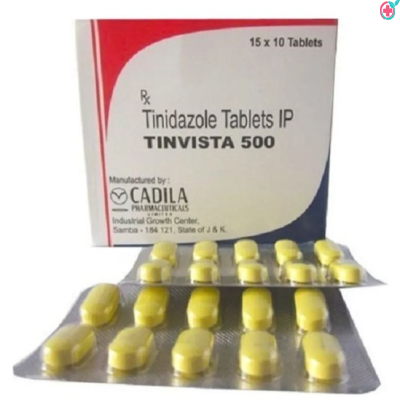
| Manufacturer | : | Zydus Cadila |
| Trade Name | : | Tindamax |
| Generic Search | : | Tinidazole |
| Strength | : | 300mg, 500mg |
Certified Content

Dr. Priya Nair
Clinical Pharmacist & Senior Drug Information Specialist | 9 years
Pharm.D. (Doctor of Pharmacy)
Latest Products