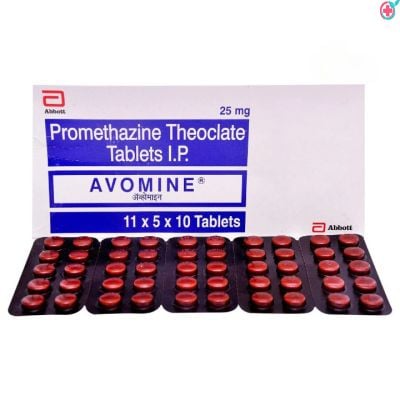
Phenergan Tablet (Promethazine) Used to Treat Allergies, Motion Sickness, Nausea, and Vomiting
Buy Phenergan 25mg TABLET has a place with the class of prescriptions called 'allergy meds'. Phenergan (promethazine) is a anti-allergy and antiemetic medication that provides effective relief from allergic reactions, nausea, vomiting, motion sickness and it is also used under medical guidance as a short-term sleep aid. Promethazine works by blocking histamine effects, reducing symptoms of allergy, dizziness, and discomfort, and promoting overall relief.


Product Overview
Phenergan Tablet contains Promethazine is a versatile medication belonging to the phenothiazine class. It functions primarily as a antihistamine and antiemetic medication designed to provide quick relief from allergy symptoms, nausea, vomiting, and motion sickness. Its dual benefits also allow short-term use as a sleep aid under medical supervision. Available in 10 mg and 25 mg strengths, Phenergan is widely utilized to manage a variety of conditions, ranging from allergic reactions and motion sickness to the short-term treatment of insomnia in adults.
Product Composition
- Active Ingredient: Promethazine Hydrochloride
- Strengths: 10 mg and 25 mg
- Dosage Form: Oral Tablet
- Pharmacological Class: Phenothiazine / Antihistamine
Product Specification
| Feature | Details |
| Brand Name | Phenergan |
| Active Molecule | Promethazine |
| Available Strengths | 10 mg, 25 mg |
| Primary Indication | Allergies / Nausea / Insomnia |
| Administration | Oral |
| Storage | Store below 30°C |
Mechanism of Action
Phenergan works by interacting with various receptors in the central nervous system and peripheral tissues to provide multi-symptom relief.
- H1 Receptor Antagonism: It blocks H1 histamine receptors, which prevents the physiological effects of histamine, such as itching, swelling, and runny nose during an allergic response.
- Dopaminergic Blockade: In the brain's "vomiting center," it blocks dopamine receptors, providing strong anti-nausea and anti-vomiting effects.
- Muscarinic Receptor Inhibition: Its anticholinergic properties help reduce secretions and alleviate symptoms of motion sickness by acting on the inner ear's vestibular system.
- CNS Depression: Phenergan crosses the blood-brain barrier, leading to significant drowsiness and sedation, which is utilized for calming patients or assisting with sleep.
Key Benefits
- Comprehensive Allergy Relief: Effectively manages symptoms of hay fever, hives, and allergic conjunctivitis.
- Powerful Antiemetic Effect: Highly reliable for preventing and treating nausea and vomiting, including postoperative nausea.
- Motion Sickness Prevention: Provides long-lasting relief from dizziness and nausea caused by travel via sea, air, or land.
- Short-Term Sleep Aid: Useful for the temporary management of insomnia, helping users fall asleep faster due to its sedative properties.
- Pre-operative Sedation: Often used before medical procedures to reduce anxiety and induce a state of calm in patients.
- Versatile Strength Options: The 10 mg and 25 mg tablets allow for precise dosing based on the severity of symptoms and the age of the patient.
Important Note
Phenergan may cause significant drowsiness and can impair your ability to drive or operate machinery. It should not be used in children under 2 years of age due to the risk of potentially fatal respiratory depression. Always follow the specific dosing instructions provided by a healthcare professional.
Precautions
Using Phenergan Tablet safely requires attention to allergies, medical conditions, and proper usage.
General Safety Guidelines
- Take only as prescribed by your doctor.
- Avoid driving, operating machinery, or performing hazardous tasks after taking Phenergan due to its sedative effect.
- Do not consume alcohol or sedatives simultaneously, as it can increase drowsiness.
- Store in a cool, dry place away from children.
Medical Conditions to Consider
- Allergies: Do not take if allergic to Promethazine or other antihistamines.
- Respiratory conditions: Use caution in patients with asthma or COPD.
- Heart conditions: Monitor if you have arrhythmia or low blood pressure.
- Glaucoma & Urinary Problems: Consult your doctor if you have narrow-angle glaucoma or difficulty urinating.
Special Populations
- Pregnancy & Breastfeeding: Use only under medical supervision.
- Elderly Patients: May be more sensitive to sedative effects; dose adjustment may be needed.
- Children: Use caution; dosing must be strictly as prescribed.
Additional Precaution Table
| Condition / Scenario | Suggested Action | Reason |
|---|---|---|
| Sedation / Drowsiness | Avoid driving or operating machinery | Prevent accidents due to impaired alertness |
| Alcohol or sedatives | Avoid concurrent use | Increases risk of excessive drowsiness |
| Allergic reactions | Seek medical attention | Prevent hypersensitivity reactions |
| Pregnancy or breastfeeding | Use only under supervision | Limited safety data available |
| Respiratory or heart issues | Consult doctor before use | Reduce risk of complications |
Usage
Phenergan should be used at the lowest effective dose for the shortest duration possible. The timing of the dose depends entirely on the condition being treated.
Dosage and Administration
For Allergic Conditions: The standard dose is typically taken once daily at bedtime to manage symptoms while minimizing daytime drowsiness.
For Motion Sickness: Take the tablet 30 to 60 minutes before travel. A second dose may be taken 8 to 12 hours later if necessary.
For Nausea and Vomiting: Dosage is usually administered at the onset of symptoms and repeated every 4 to 6 hours as needed.
For Short-term Insomnia: Take the prescribed dose approximately 20 to 30 minutes before bedtime. Ensure you have a full night (7 to 8 hours) available for sleep.
Method: Swallow the tablet whole with a glass of water. It can be taken with or without food; however, taking it with food may reduce potential stomach upset.
Missed Dose: If you miss a dose, take it as soon as you remember. If it is nearly time for your next dose, skip the missed one. Do not double the dose.
Alcohol Warning: Avoid alcohol while taking Phenergan, as it significantly increases the sedative effects and the risk of respiratory depression.
Safety and Storage
| Guideline | Instruction |
| Storage Temperature | Store below 30°C |
| Light Protection | Keep tablets in the original container to protect from light |
| Activity Warning | Do not drive or operate machinery until you know how the medicine affects you |
| Age Restriction | Not for use in children under 2 years of age |
Uses
Phenergan is a multi-functional medication used to treat various symptoms related to histamine release and central nervous system activity.
Allergic Reactions: Alleviates symptoms of hay fever (allergic rhinitis), urticaria (hives), and allergic reactions to food or bites.
Motion Sickness: Controls the nausea, vomiting, and dizziness associated with travel.
Nausea and Vomiting: Used to prevent and treat sickness related to various causes, including recovery from surgery or anesthesia.
Sedation and Anxiety Relief: Utilized as a mild sedative to help patients feel calm before or after surgical procedures.
Short-term Management of Insomnia: Provides temporary relief for adults experiencing difficulty falling asleep.
Adjunct in Pain Management: Sometimes used alongside pain relievers to enhance sedation and reduce the nausea often caused by potent analgesics.
Dermatological Symptom Relief: Effectively reduces severe itching (pruritus) associated with skin conditions.
Side Effects
Phenergan Tablet (Promethazine) is generally well-tolerated, but some individuals may experience mild to severe side effects. Monitoring these helps ensure safe and effective treatment.
Common Side Effects
- Drowsiness or sedation
- Dizziness or lightheadedness
- Dry mouth
- Blurred vision
- Mild headache
- Nausea or mild stomach upset
Less Common Side Effects
- Constipation or difficulty urinating
- Mild skin rash or itching
- Confusion, especially in elderly patients
- Sensitivity to sunlight
Serious Side Effects and Warnings
| Side Effect | Recommended Action | Notes |
|---|---|---|
| Severe allergic reaction (rash, swelling, difficulty breathing) | Seek immediate medical attention | Rare but potentially life-threatening |
| Extreme drowsiness or fainting | Discontinue and contact doctor | Indicates excessive sedation |
| Irregular heartbeat or palpitations | Seek medical care promptly | Could indicate heart-related complications |
| Seizures | Seek urgent medical attention | Very rare but serious adverse effect |
| Severe confusion or agitation | Contact doctor immediately | More common in elderly or sensitive patients |
Monitoring Tips While Using Phenergan Tablet
- Avoid driving, operating machinery, or performing hazardous tasks.
- Limit alcohol or sedatives that can enhance drowsiness.
- Take the tablet exactly as prescribed.
- Report any severe or persistent side effects to your doctor immediately.
FAQs
Q: What is Phenergan Tablet used for?
A: Phenergan Tablet (Promethazine) is used to relieve allergic reactions, motion sickness, nausea, vomiting, and short-term sleep disturbances.
Q: What strengths are available for Phenergan Tablet?
A: Phenergan Tablet is available in 10mg and 25mg strengths for tailored dosing based on age, condition, and doctor’s prescription.
Q: How should I take Phenergan Tablet?
A: Take orally as directed by your doctor, usually 1–2 times daily. Avoid exceeding the prescribed dose.
Q: Can Phenergan Tablet cause drowsiness?
A: Yes, drowsiness and sedation are common side effects. Avoid driving or operating machinery after taking the medication.
Q: Can I use Phenergan Tablet with alcohol?
A: No, alcohol increases drowsiness and sedative effects, so it should be avoided during treatment.
Q: Can children take Phenergan Tablet?
A: Children can take Phenergan, but dosage must be strictly as prescribed by a doctor, depending on age and weight.
Q: Is Phenergan Tablet safe during pregnancy or breastfeeding?
A: Use only under medical supervision, as safety data is limited during pregnancy and breastfeeding.
Q: What should I do if I miss a dose?
A: Take the missed dose as soon as remembered. If it’s near the time for the next dose, skip the missed one—do not double the dose.
Q: What are the common side effects of Phenergan Tablet?
A: Common side effects include drowsiness, dizziness, dry mouth, blurred vision, and mild headache. Severe reactions require immediate medical attention.
Interactions
Understanding drug interactions is essential while using Phenergan Tablet to ensure safe and effective relief from allergy, nausea, and motion sickness.
Common Drug Interactions
| Drug / Category | Interaction Effect | Recommended Action |
|---|---|---|
| Alcohol | Increases drowsiness and sedation | Avoid alcohol while taking Phenergan |
| Sedatives / Hypnotics | Enhanced sedative effect | Monitor alertness, avoid operating machinery |
| MAO Inhibitors | May intensify anticholinergic effects | Use only under strict medical supervision |
| Other antihistamines | Increased risk of side effects | Avoid combining unless prescribed by doctor |
| Opioid pain medications | Enhanced sedation and dizziness | Monitor closely, avoid driving or risky activities |
Additional Notes on Interactions
- Avoid combining Phenergan with other medications that cause drowsiness unless approved by a doctor.
- Inform your doctor about all prescription, OTC, and herbal supplements you are taking.
- Watch for excessive sedation, confusion, or dizziness, which may indicate an interaction.
Lifestyle Considerations
- Do not drive, operate machinery, or perform hazardous tasks while under medication.
- Avoid alcohol or recreational drugs that can enhance sedation.
- Follow your doctor’s instructions for timing and dosage adjustments if using multiple medications.
| Manufacturer | : | Abbott Healthcare, India |
| Trade Name | : | Phenergan |
| Generic Search | : | Promethazine |
| Strength | : | 10mg, 25mg |
Certified Content

Dr. Priya Nair
Clinical Pharmacist & Senior Drug Information Specialist | 9 years
Pharm.D. (Doctor of Pharmacy)
Latest Products