Monocef Injection (Ceftriaxone) | Rocephin Alternative | Used to Treat Serious Bacterial Infections
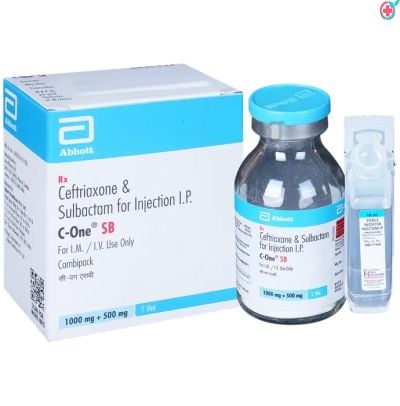
Buy Monocef Injection, Ceftriaxone is used to treat bacterial infections of the brain respiratory tract ear abdomen abdominal wall, urinary tract and kidney, bones, joints, and skin or soft tissues. It is also used in the management of fever with low white blood cells (neutropenia), surgical site infections, joint pain caused by parasite ticks (Lyme disease), typhoid, paratyphoid, and sexually transmitted infections (gonorrhea, syphilis). Rocephin and Monocef are the other two brand names for Ceftriaxone.


Description
Monocef Injection contains ceftriaxone sodium, a third-generation cephalosporin antibiotic. It works by inhibiting synthesis of the bacterial cell wall (via binding to penicillin-binding proteins), ultimately causing bacterial cell death. It’s available in pre-filled dual-chamber containers or as lyophilized powder for reconstitution
Precautions
- Allergy: Contraindicated in patients with known allergy to ceftriaxone, cephalosporins, penicillins, or other beta-lactams
- Neonates: Avoid use in hyperbilirubinemic neonates; concomitant IV calcium is contraindicated (risk of fatal precipitates)
- Hepatic/Renal Impairment: Do not exceed 2 g/day in patients with both hepatic and significant renal disease
- Prothrombin Time: May require monitoring in patients with vitamin K deficiency; vitamin K supplementation may be needed
- Overuse: Inappropriate use can promote resistance—use only for confirmed or strongly suspected bacterial infections
Uses
- Empiric and targeted treatment of serious infections, including lower respiratory tract, skin and soft-tissue, urinary tract, bone, joint, intra-abdominal, bloodstream, and ear infections.
- Effective for meningitis, gonorrhea, pelvic inflammatory disease, and surgical prophylaxis.
Side Effects
Common (incidence >1%)
- Injection-site reactions: pain, tenderness, swelling
- GI symptoms: diarrhea, elevated liver enzymes, nausea
- Hematologic changes: eosinophilia, thrombocytosis, leukopenia
Less Common / Serious
- Biliary sludge/gallbladder issues, hemolytic anemia, renal impairment in children, C. difficile-associated diarrhea
- Rare but severe reactions: anaphylaxis, Stevens-Johnson syndrome, toxic epidermal necrolysis
Frequently Asked Questions
Q1: Who administers Monocef?
A1: It must be administered by a healthcare professional via IV or IM injection—not for self-administration
Q2: Can you drink alcohol while on Monocef?
A2: There are no known interactions, but consult your doctor
Q3: Is Monocef safe during pregnancy and breastfeeding?
A3: Current data suggest low risk during pregnancy; present in breast milk in low amounts—use only if prescribed by a physician
Q4: What about use in kidney or liver impairment?
A4: No adjustment needed for single-organ impairment; limit dose to ≤2 g/day if both organs
Q5: Why complete the full course?
A5: To ensure eradication of bacteria and reduce antibiotic resistance risk
Q6: What side effects should prompt an immediate call to your doctor?
A6: Signs like rash, swelling, breathing difficulties, severe diarrhea, dark urine, jaundice, or unusual fatigue—all possible severe reactions require urgent evaluation
Interactions
- Calcium-containing solutions: Should not be mixed or co-infused simultaneously, especially in neonates, due to risk of deadly precipitation
- Line incompatibilities: Vancomycin, aminoglycosides, amsacrine, and fluconazole are physically incompatible—flush between infusions
- No known food or alcohol interactions, though alcohol impact is undetermined
| Manufacturer | : | A. Menarini India Pvt Ltdine HCL) |
| Trade Name | : | Rocephin |
| Generic Search | : | Ceftriaxone Sod |
| Strength | : | 125mg, 250mg, 500mg, 1 gm, 2gm |
Certified Content

Dr. Priya Nair
Clinical Pharmacist & Senior Drug Information Specialist | 9 years
Pharm.D. (Doctor of Pharmacy)
Latest Products