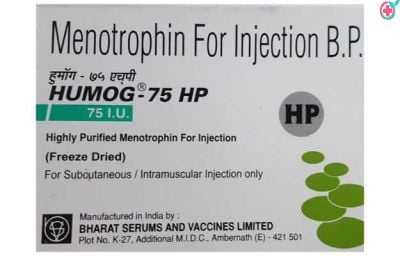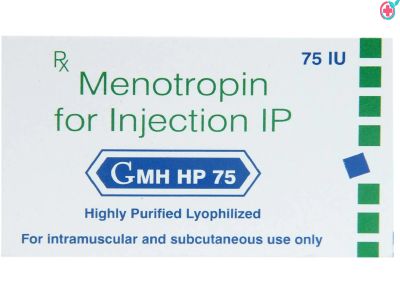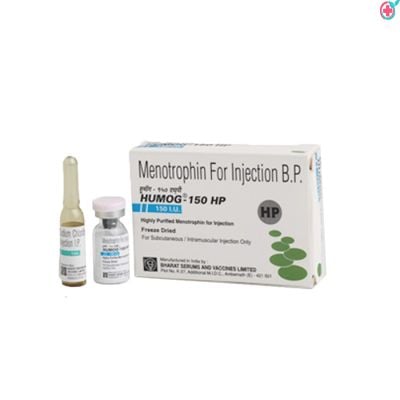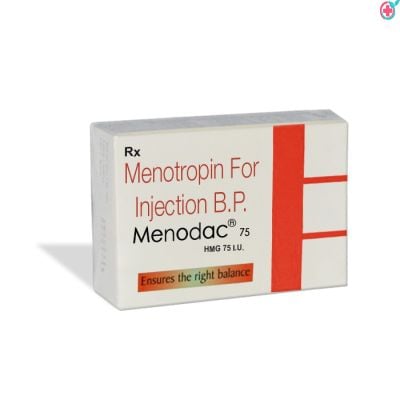
Lupi-HMG Injection (Menotrophin) used to treat hormonal infertility in both women and men
Lupi-HMG Injection (Menotrophin) is a fertility medicine used to treat female and male infertility. It contains a combination of follicle-stimulating hormone (FSH) and luteinizing hormone (LH) that helps stimulate ovarian follicle development in women and supports sperm production in men as part of assisted reproductive treatment.


Product Overview
Lupi-HMG contains Menotrophin (Human Menopausal Gonadotropin - hMG), a naturally derived combination of FSH and LH hormones. These hormones play an important role in normal reproductive function by stimulating the ovaries in women and supporting sperm production in men. In women, it promotes the growth and maturation of ovarian follicles before ovulation. In men, it is used alongside other hormone therapies in selected cases to stimulate the testes and improve sperm production.
Product Composition
- Menotrophin (Human Menopausal Gonadotropin) – Active ingredient
- Follicle-Stimulating Hormone (FSH)
- Luteinizing Hormone (LH)
- Gonadotropin fertility hormone
Product Specification
| Parameter | Details |
| Active Ingredient | Menotrophin (Human Menopausal Gonadotropin) |
| Medicine Class | Gonadotropin Hormone |
| Dosage Form | Injection |
| Main Action | Stimulates follicle development and reproductive hormone activity |
| Therapeutic Use | Female infertility and selected cases of male infertility |
Key Benefits
- Supports Female Fertility:
Stimulates ovarian follicle growth and egg maturation during fertility treatment. - Promotes Ovulation:
Helps prepare mature follicles for ovulation as part of assisted reproductive procedures. - Supports Male Fertility:
May help improve sperm production in men with hormone-related infertility. - Provides FSH and LH Activity:
Replaces essential reproductive hormones needed for healthy reproductive function. - Improves Assisted Reproductive Outcomes:
Commonly used in fertility treatment protocols, including ovulation induction and IVF.
Precaution
| Condition / Situation | Precaution |
| Ovarian disorders | Use cautiously in women with ovarian cysts or enlarged ovaries not caused by PCOS |
| Ovarian Hyperstimulation Syndrome (OHSS) risk | Careful monitoring is required during fertility treatment |
| Blood clot history | Inform about previous blood clots or clotting disorders |
| Hormone-sensitive cancers | Avoid use in hormone-dependent tumors unless specifically advised |
| Allergy | Avoid use if allergic to Menotrophin or any component of the injection |
Important Precaution Points
- Risk of OHSS:
Lupi-HMG stimulates the ovaries, and in some women this may lead to ovarian hyperstimulation syndrome (OHSS). Promptly report severe abdominal pain, rapid weight gain, or breathing difficulty. - Ovarian health:
Women with ovarian cysts or unexplained ovarian enlargement should discuss suitability before starting treatment. - Blood clot risk:
Fertility treatment may increase the risk of blood clots in susceptible individuals. Inform about any personal or family history of clotting disorders. - Hormone-sensitive conditions:
Menotrophin may not be suitable for people with certain hormone-dependent cancers or reproductive tumors. - Pregnancy:
Lupi-HMG is used to help achieve pregnancy and is generally discontinued once pregnancy is confirmed.
Side Effects
Common Side Effects
- Injection Site Reactions:
Mild pain, redness, swelling, or tenderness may occur where the injection is given. - Abdominal Bloating or Discomfort:
Ovarian stimulation may cause mild bloating or lower abdominal discomfort. - Headache:
Some individuals may experience mild headaches during treatment. - Breast Tenderness:
Hormonal changes may cause temporary breast discomfort or sensitivity. - Nausea:
Mild nausea or stomach discomfort may occur in some users.
Less Common Side Effects
- Fatigue
- Mood changes
- Pelvic discomfort
- Fluid retention
- Dizziness
Serious Side Effects
| Condition | Detail |
| Ovarian Hyperstimulation Syndrome (OHSS) | Severe abdominal pain, rapid weight gain, breathing difficulty, or significant ovarian enlargement requires immediate attention |
| Blood clot symptoms | Leg swelling, chest pain, or sudden shortness of breath should be evaluated immediately |
| Severe allergic reaction | Rash, swelling, or difficulty breathing may occur rarely |
Important Side Effects
- Mild injection site reactions, headache, or abdominal bloating may occur during treatment.
- Hormonal stimulation may cause breast tenderness or temporary pelvic discomfort.
- Women receiving fertility treatment should watch for symptoms of ovarian hyperstimulation syndrome (OHSS).
- Individual response varies depending on hormone levels and fertility treatment protocol.
FAQs
Q. What is Lupi-HMG Injection used for?
Lupi-HMG is used to treat female infertility by stimulating ovarian follicle development and to support sperm production in selected men with hormone-related infertility.
Q. How does Lupi-HMG work?
It contains FSH and LH hormones that stimulate ovarian follicle growth in women and support reproductive hormone activity in men.
Q. Is Lupi-HMG used for IVF treatment?
Yes, it is commonly used during IVF and other assisted reproductive technology (ART) procedures to stimulate the ovaries.
Q. Can Lupi-HMG trigger ovulation?
Lupi-HMG helps mature ovarian follicles, and an HCG injection is often given afterward to trigger ovulation.
Q. Can Lupi-HMG improve male fertility?
Yes, in selected cases it may help stimulate sperm production when used as part of hormone therapy.
Q. How is Lupi-HMG administered?
It is given as an injection according to an individualized fertility treatment plan.
Q. Can Lupi-HMG increase the chance of twins?
Yes, ovarian stimulation may increase the likelihood of multiple pregnancies, including twins.
Q. What is OHSS and can Lupi-HMG cause it?
Ovarian Hyperstimulation Syndrome (OHSS) is a potential complication of fertility treatment that can cause enlarged ovaries, severe abdominal pain, and fluid buildup in some women.
Q. Can Lupi-HMG be used during pregnancy?
No. It is used to help achieve pregnancy and is generally discontinued once pregnancy is confirmed.
Q. Can Lupi-HMG be taken with other fertility medicines?
Yes, it is commonly used with medicines such as HCG and GnRH agonists or antagonists as part of fertility treatment protocols.
Interaction
| Medicine / Substance | Possible Effect |
| HCG injections | Commonly used together to trigger final egg maturation and ovulation |
| GnRH agonists or antagonists | Commonly used together to trigger final egg maturation and ovulation |
| Other fertility medicines | May increase ovarian stimulation and treatment response |
| Hormonal medicines | May influence reproductive hormone balance |
| Medicines affecting hormone levels | May alter the response to Menotrophin therapy |
Important Interaction Points
- HCG injections:
Lupi-HMG is often followed by an HCG injection to trigger final follicle maturation and ovulation during fertility treatment. - GnRH agonists or antagonists:
These medicines are frequently used alongside Menotrophin to control ovarian stimulation during assisted reproductive procedures. - Other fertility medicines:
Combining fertility medicines may enhance ovarian response and requires careful monitoring. - Hormonal therapies:
Other hormone-based treatments may influence the effectiveness or overall response to Menotrophin. - Hormone-influencing medicines:
Medicines that affect reproductive hormone levels may alter treatment outcomes and should be discussed before starting therapy.
| Manufacturer | : | Lupin Pharma, India |
| Trade Name | : | Menopur, Repronex |
| Generic Search | : | Menotrophin |
| Strength | : | 75IU, 150IU |
Certified Content

Dr. Priya Nair
Clinical Pharmacist & Senior Drug Information Specialist | 9 years
Pharm.D. (Doctor of Pharmacy)
Latest Products