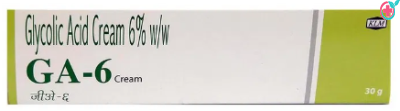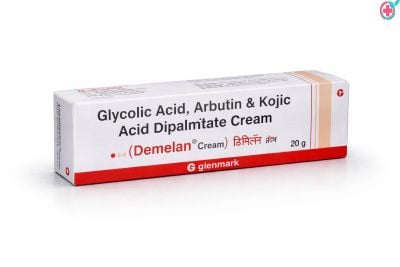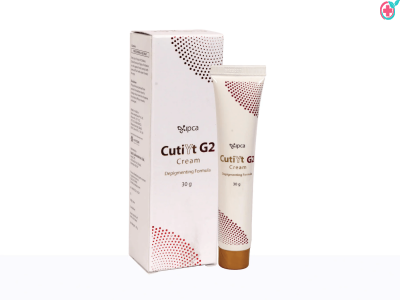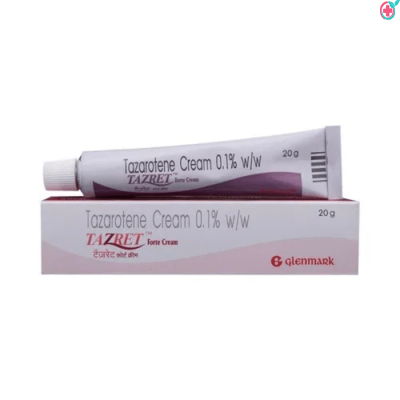
Glyco 6 Cream: Glycolic Acid Cream Used to Exfoliate the Skin, Promote Cell Turnover, and Improve Skin Texture
Glyco Cream (Glycolic Acid 6% / 12%) is an exfoliating skincare treatment that helps remove dead skin cells, reduce acne marks, dark spots, and pigmentation. It improves skin texture, promotes cell renewal, and enhances skin brightness for a smoother and more radiant complexion. In the pursuit of healthy and radiant skin, many individuals turn to various skincare products to address their specific concerns.


Product Overview
Glyco Cream is a professional-grade dermatological formulation containing Glycolic Acid, a powerful Alpha Hydroxy Acid (AHA) derived from sugarcane. Known as the "gold standard" of chemical exfoliants, glycolic acid has the smallest molecular size of all AHAs, allowing it to penetrate the skin surface rapidly and deeply.
Glyco Cream is primarily used to refine skin texture, promote cellular turnover, and address a variety of dermatological concerns ranging from hyperpigmentation to uneven skin tone. By dissolving the "glue" (intercellular desmosomes) that holds dull, dead skin cells to the surface, it reveals the brighter, smoother skin underneath, making it a cornerstone treatment for skin rejuvenation and corrective care.
Product Composition
- Active Ingredient:
- Glycolic Acid: Available in varying concentrations (typically ranging from 6% to 12% in topical creams) to suit different skin types and treatment goals.
- Formulation: A specialized cream base designed to stabilize the acid and ensure even delivery into the skin.
- Action Category: Exfoliating agent / Keratolytic agent.
Product Specifications
| Feature | Description |
| Therapeutic Class | Dermatological / Exfoliant |
| Route of Administration | Topical |
| Primary Indication | Acne, hyperpigmentation, photoaging, and skin texture improvement |
| Mechanism | Desquamation (exfoliation) via dissolution of intercellular bonds |
| Storage | Store in a cool, dry place; keep cap tightly closed |
Mechanism of Action
- Chemical Exfoliation: Glycolic acid works by reducing the adhesion between corneocytes (dead skin cells) in the stratum corneum. This promotes the natural shedding of these cells, a process called desquamation.
- Cellular Turnover: By clearing away dead skin cells, it stimulates the production of fresh, new skin cells from the deeper layers, resulting in improved texture and a more uniform appearance.
- Hydration and Collagen Synthesis: At certain concentrations and with consistent use, glycolic acid has been shown to support the skin's ability to retain moisture and can help stimulate collagen production in the dermis, contributing to firmer, more youthful-looking skin.
Key Benefits
- Texture Refinement: Dramatically improves skin smoothness by removing rough, dead surface layers.
- Pigmentation Management: Helps fade dark spots, post-inflammatory hyperpigmentation (PIH), and sun damage by accelerating the removal of discolored cells.
- Acne Management: Clears clogged pores and prevents the formation of comedones, making it a helpful tool in managing mild to moderate acne.
- Radiance Boosting: Restores a healthy glow by eliminating the dullness associated with accumulated dead skin cells.
Precautions
Medical guidance
- Use only as directed by a dermatologist, especially for higher strengths like 12%
- Not recommended for long-term continuous use without medical supervision
- Avoid self-use for sensitive or damaged skin conditions
Skin sensitivity
| Condition | Precaution |
|---|---|
| Sensitive skin | May cause irritation, start with lower strength if advised |
| Broken or inflamed skin | Do not apply on cuts, wounds, or active irritation |
| Allergic history | Avoid if allergic to glycolic acid or related ingredients |
| Rosacea or eczema | Use only under strict medical supervision |
Application safety
- Apply a thin layer only on affected areas
- Avoid contact with eyes, lips, and mucous membranes
- Do not overapply as it may increase irritation
Sun exposure care
- Skin becomes highly sensitive to sunlight during use
- Always apply sunscreen during daytime
- Avoid direct sun exposure after application
Usage precautions
- Start gradually if using for the first time (as advised)
- Avoid combining with other strong exfoliating products unless prescribed
- Discontinue use if severe burning, redness, or peeling occurs
Monitoring advice
- Mild tingling, dryness, or peeling is common initially
- Seek medical advice if irritation persists or worsens
- Stop use if signs of allergic reaction or excessive skin damage develop
Usage
Application Guidelines
Because Glycolic Acid is a potent chemical exfoliant, integrating it into your routine requires a measured, patient approach to prevent barrier damage.
| Aspect | Instruction |
| Frequency | Start with 2–3 times weekly at night; increase only if tolerated |
| Method | Apply a thin, even layer to clean, dry skin |
| Timing | Evening use is highly recommended; follow with moisturizer |
| Preparation | Ensure skin is completely dry before application to minimize stinging |
Administration & Best Practices
Start Slow: The "less is more" rule applies. Your skin needs time to adjust to the increased rate of cell turnover. If you experience irritation, reduce frequency immediately.
The "Dry Skin" Rule: Applying acidic products to damp skin increases penetration, which can cause intense stinging. Always pat your skin thoroughly dry before applying Glyco Cream.
Sun Protection is Mandatory: Glycolic acid thins the outermost layer of dead skin cells, making you significantly more vulnerable to UV rays. Daily application of an SPF 30+ sunscreen is not optional—it is a critical part of the treatment.
Avoid Sensitive Zones: Do not apply the cream to the delicate skin around the eyes, the lips, or on any open, broken, or actively irritated skin.
Storage: Keep the product in a cool, dark place. AHAs can become unstable if exposed to excessive heat or direct sunlight over time.
Uses
Hyperpigmentation & Dark Spots: Highly effective for fading post-acne marks (PIH), melasma, and sun-induced discoloration by accelerating the shedding of pigment-laden cells.
Acne & Pore Management: Helps prevent clogged pores by dissolving the sebum and dead skin buildup that leads to blackheads, whiteheads, and acne breakouts.
Texture & Tone Correction: Ideal for addressing rough, bumpy, or uneven skin texture, leaving the complexion looking smoother and more radiant.
Photoaging Support: With consistent, long-term use, it helps diminish the appearance of fine lines and surface wrinkles by promoting a more active, youthful rate of cellular renewal.
Dullness Treatment: Effectively removes the layer of dead, dull cells that accumulate on the surface, revealing the brighter, healthier skin underneath.
Side effects
Common side effects
- Mild burning or stinging sensation after application
- Skin redness or irritation
- Dryness and peeling of the skin
- Increased sensitivity to sunlight
- Temporary tight or flaky skin
Serious side effects
| Area | Possible Effects |
|---|---|
| Skin | Severe irritation, rash, or excessive peeling |
| Pigmentation | Uneven skin tone or temporary darkening in rare cases |
| Barrier function | Over-exfoliation leading to damaged skin barrier |
| Allergy | Swelling, hives, or contact dermatitis |
| Sensitivity | Persistent burning or discomfort |
Warning signs requiring medical attention
- Severe redness or burning that does not improve
- Excessive peeling or skin damage
- Signs of allergic reaction such as swelling or rash
- Worsening pigmentation after continued use
- Persistent irritation despite stopping the product
FAQs
Q: What is Glyco Cream primarily used for?
A: It is used for skin rejuvenation and corrective care. It helps improve skin texture, fades dark spots and hyperpigmentation, treats mild acne by clearing clogged pores, and diminishes the appearance of fine lines by promoting faster skin cell turnover.
Q: Why does my skin tingle or sting when I first apply it?
A: A mild tingling or stinging sensation is common, especially when you first start using the cream or if you are using a higher concentration. This is the acid penetrating the skin. However, if the stinging is intense, painful, or causes significant redness/peeling, wash the product off immediately and consult your dermatologist.
Q: Can I use this with other active skincare products?
A: Be very cautious. Combining Glyco Cream with other strong actives like Retinoids, Vitamin C, or other physical scrubs can cause severe irritation or chemical burns. Usually, it is best to introduce Glyco Cream slowly and consult a professional before layering it with other potent skincare products.
Q: Do I really need to wear sunscreen?
A: Yes, it is mandatory. Glycolic acid exfoliates the top protective layer of your skin, making it significantly more sensitive to UV radiation. Using this product without daily broad-spectrum sunscreen (SPF 30+) can lead to severe sunburn and even worsen the hyperpigmentation you are trying to treat.
Q: Can I use this every day?
A: It depends on your skin's tolerance. Most dermatologists recommend starting with use every other night to allow your skin to acclimate. If your skin does not show signs of irritation, you may gradually increase to nightly use, but avoid over-exfoliating.
Q: What should I do if my skin starts peeling?
A: Mild, fine flaking can be a normal part of the exfoliation process. However, if you experience significant peeling, raw skin, or inflammation, pause the treatment for a few days to let your skin barrier recover and consider switching to a lower concentration or less frequent application.
Interactions
Skincare product interactions
- Retinoids (e.g., tretinoin) may significantly increase peeling, redness, and irritation
- Other AHAs or BHAs can lead to over-exfoliation and skin barrier damage
- Benzoyl peroxide may cause excessive dryness and sensitivity when used together
- Vitamin C products may increase stinging or irritation in sensitive skin
- Strong depigmenting agents may result in uneven skin tone if overused together
Medicine and topical treatment interactions
| Product Type | Interaction Effect |
|---|---|
| Retinoids | Increased peeling, redness, and irritation |
| AHA/BHA exfoliants | Over-exfoliation and barrier damage |
| Benzoyl peroxide | Dryness and increased sensitivity |
| Vitamin C serums | Mild irritation or stinging |
| Depigmenting creams | Uneven skin tone or over-irritation |
Cosmetic interactions
- Alcohol-based toners may increase dryness and irritation
- Harsh cleansers can worsen skin sensitivity
- Heavy or occlusive makeup may reduce effectiveness of treatment
- Fragranced skincare products may trigger irritation in sensitive users
Usage advice
- Avoid using multiple strong actives on the same routine without spacing
- Introduce new skincare products gradually
- Maintain a gap between Glyco Cream and other exfoliating treatments
- Discontinue use if irritation increases when combined with other products
| Manufacturer | : | Micro Labs, India |
| Trade Name | : | The Ordinary |
| Generic Search | : | Glycolic Acid |
| Strength | : | 6% , 12% (30 gm) |
Certified Content

Dr. Priya Nair
Clinical Pharmacist & Senior Drug Information Specialist | 9 years
Pharm.D. (Doctor of Pharmacy)
Latest Products