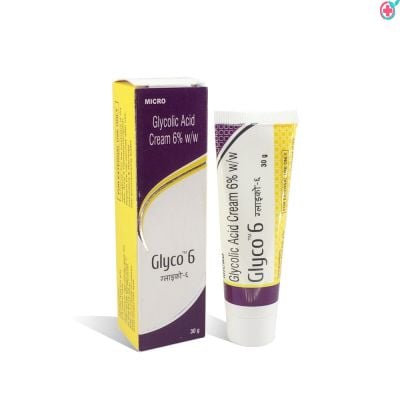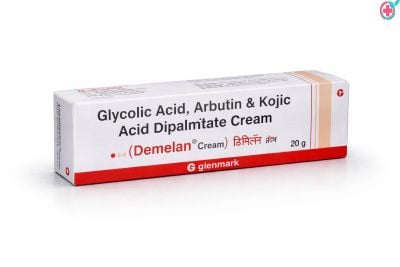
Ga Cream (Glycolic acid)
GA Cream (Glycolic Acid) is a popular dermatological skincare cream containing Glycolic Acid, an alpha-hydroxy acid (AHA) known for its exfoliating and skin-renewing properties, commonly used to treat various skin concerns such as acne, pigmentation, and uneven skin tone. Ga Cream, also known as Glycolic Acid, has taken the beauty world by storm, becoming a staple ingredient in numerous skincare products.


Product Overview
Ga Cream is a specialized dermatological treatment containing Glycolic Acid, the smallest and most effective alpha-hydroxy acid (AHA). Derived primarily from sugarcane, Glycolic Acid is renowned for its superior ability to penetrate the skin barrier due to its low molecular weight. GA Cream (Glycolic Acid) is a chemical exfoliating cream used to improve skin texture, reduce acne, dark spots, and pigmentation. It acts as a powerful chemical exfoliant, working to dissolve the "glue" that holds dead skin cells together. This process reveals fresher, smoother, and more youthful skin underneath. Ga Cream is widely used in both clinical and home-care settings to address signs of aging, uneven texture, and various forms of hyperpigmentation.
Product Composition
- Active Ingredient: Glycolic Acid (typically available in concentrations ranging from 6% to 12% for home use).
- Emollients: Cetyl Alcohol and Stearic Acid to provide a smooth, spreadable consistency.
- Humectants: Propylene Glycol or Glycerin to help the skin retain moisture during exfoliation.
- Neutralizers: Sodium Hydroxide to adjust the pH level for optimal efficacy and safety.
- Preservatives: Methylparaben and Propylparaben to maintain product integrity.
- Base: Purified Water and a non-greasy cream emulsion.
Product Specification
| Feature | Details |
| Category | Chemical Exfoliant (AHA) |
| Active Ingredient | Glycolic Acid |
| Pharmaceutical Form | Topical Cream |
| Primary Action | Keratolytic (Skin Peeling) and Cell Renewal |
| pH Range | Typically formulated between 3.5 and 4.5 |
| Target Concerns | Dullness, Fine Lines, Acne Scars, and Hyperpigmentation |
| Texture | Light, white, non-comedogenic cream |
Mechanism of Action
- Desmosome Dissolution: Glycolic Acid works by weakening the bonds (desmosomes) between the cells in the outermost layer of the skin (stratum corneum).
- Accelerated Cell Turnover: By removing the dead surface layer, it signals the deeper layers of the skin to produce new, healthy cells more rapidly.
- Collagen Stimulation: With regular use, it penetrates into the dermis to stimulate fibroblasts, which increases the production of collagen and elastin fibers.
- Melanin Dispersion: It helps to break up clusters of melanin in the upper skin layers, leading to a visible reduction in dark spots and uneven skin tone.
- Deep Pore Cleansing: Its small molecular size allows it to clear out debris and sebum from within the pores, preventing the formation of comedones (blackheads/whiteheads).
Key Benefits
- Improved Skin Texture: Significantly smoothens rough, bumpy skin and reduces the appearance of enlarged pores.
- Anti-Aging Properties: Softens fine lines and superficial wrinkles by thickening the deeper layers of the skin.
- Enhanced Radiance: Removes the "dull" layer of dead skin, resulting in an immediate improvement in skin glow and luminosity.
- Treatment of Hyperpigmentation: Lightens post-acne marks, sunspots, and melasma by promoting constant skin renewal.
- Better Product Absorption: By removing the barrier of dead cells, it allows serums and moisturizers to penetrate more effectively into the skin.
- Non-Comedogenic: The cream is formulated to clear skin without clogging pores, making it suitable for oily and acne-prone skin types.
Precautions
General Precautions
| Condition | Guidance |
|---|---|
| Skin sensitivity | Perform a patch test before first use to check for irritation |
| Sun exposure | Use sunscreen daily as glycolic acid increases sun sensitivity |
| Sensitive skin | Use cautiously if you have very dry or reactive skin |
| Open wounds | Do not apply on cuts, burns, or broken skin |
| Pregnancy & breastfeeding | Consult a doctor before use |
| Children | Use only if recommended by a dermatologist |
Application Precautions
- Apply a thin layer only on affected areas
- Start with lower frequency (2–3 times a week) if new to glycolic acid
- Avoid applying near eyes, lips, and mucous membranes
- Do not use on damp or freshly shaved skin
- Wash hands after application
Skin Safety Precautions
- Mild tingling or redness is common initially
- Stop use if severe burning, swelling, or irritation occurs
- Avoid combining with strong scrubs or other exfoliants unless advised
- Do not overuse, as it may damage the skin barrier
Skincare Routine Precautions
- Avoid using retinoids or other acids at the same time without guidance
- Use a gentle moisturizer to prevent dryness
- Apply sunscreen every morning during treatment
- Avoid alcohol-based toners or harsh cleansers
When to Consult a Doctor
- If severe irritation or peeling occurs
- If skin becomes overly sensitive or damaged
- If pigmentation worsens instead of improving
- If allergic reaction signs appear
- If no improvement is seen after regular use
Usage
Dosage
Ga Cream should be used sparingly, typically once daily or every other day, depending on skin sensitivity. It is often recommended to start with a nighttime application twice a week to allow the skin to build tolerance to the acid. As the skin becomes accustomed to the Glycolic Acid, frequency can be increased to once daily every evening. Because Glycolic Acid thins the outer layer of the skin, consistent use of a broad-spectrum sunscreen during the day is mandatory to prevent sun damage.
Administration
| Step | Action |
| Cleansing | Wash the face with a mild, pH-balanced cleanser and pat completely dry |
| Application | Apply a pea-sized amount of cream to the entire face, avoiding the eyes and lips |
| Sensation | Expect a mild tingling or "stinging" sensation for the first few minutes after application |
| Waiting | Allow the cream to absorb for 5 to 10 minutes before applying any other products |
| Moisturizing | Apply a hydrating, non-active moisturizer afterward to prevent excessive dryness |
| Protection | Apply SPF 30 or higher every morning, even on cloudy days or when staying indoors |
Uses
Photoaging Correction: Reduces the appearance of fine lines, wrinkles, and leathery skin caused by chronic sun exposure.
Acne Management: Helps clear non-inflammatory acne by preventing the buildup of dead skin cells that clog pores.
Hyperkeratosis Treatment: Smoothes rough, thickened patches of skin on the elbows, knees, or heels.
Surface Scarring: Diminishes the visibility of superficial acne scars and "pockmarks" through progressive exfoliation.
Hyperpigmentation: Lightens dark spots, freckles, and melasma by accelerating the shedding of pigmented skin cells.
Keratosis Pilaris: Often used to treat "chicken skin" on the arms and thighs by dissolving the keratin plugs in hair follicles.
Skin Brightening: Eliminates dullness and sallowness to restore a vibrant, healthy glow to the complexion.
FAQs
Q: What is GA Cream used for?
A: It is used to treat and manage a variety of skin concerns including acne and acne scars, hyperpigmentation, melasma, dark spots, uneven skin tone, dry and rough skin, fine lines and wrinkles, and photoaging caused by prolonged sun exposure. It also helps unclog pores and promote a brighter, clearer complexion.
Q: How does GA Cream work?
A: Glycolic Acid works by breaking the bonds between dead skin cells on the outermost layer of the skin, allowing them to shed easily. This process promotes the growth of new, healthier skin cells, improves skin clarity, and stimulates the production of collagen and hyaluronic acid. It also acts as a humectant by attracting and binding water to skin cells, keeping the skin hydrated and supple.
Q: How should I apply GA Cream?
A: Cleanse and pat dry the skin before application. Apply a thin, even layer of the cream to the affected area once daily, preferably at night. Gently massage until fully absorbed. Avoid contact with the eyes, mouth, and broken or sensitive skin. Always apply a broad-spectrum sunscreen during the day while using this cream.
Q: How long does it take to see results?
A: Visible improvement in skin texture and hydration may be noticed within a few weeks of regular use. Improvement in dark spots, pigmentation, and fine lines may take several months of consistent use. For best results, use as part of your daily skincare routine as directed by your dermatologist.
Q: Can I use GA Cream daily?
A: Yes, but it is best to start with every other day to allow your skin to adjust to the active ingredient, then gradually increase to daily use as tolerated. Always follow your dermatologist's guidance on frequency of use.
Q: Is GA Cream suitable for all skin types?
A: GA Cream is generally suitable for most skin types including oily, dry, and combination skin. However, individuals with sensitive or reactive skin should start with a lower concentration and consult a dermatologist before use to determine the most appropriate strength.
Q: Can GA Cream be used on the face?
A: Yes. GA Cream is primarily used on the face to treat acne, dark spots, and pigmentation. Avoid applying near the eyes, mouth, and on broken or severely irritated skin.
Q: Is GA Cream safe for children?
A: GA Cream is generally not recommended for children below 12 years of age. It may be used in patients 12 years and older for mild to moderate acne under medical supervision. Always consult a dermatologist before use in younger patients.
Q: Can it be used during pregnancy or breastfeeding?
A: Glycolic Acid is generally considered likely safe when applied to the skin in low concentrations during pregnancy. However, it is always advisable to consult your doctor before using any new skincare product during pregnancy or breastfeeding.
Q: Does GA Cream make skin sensitive to sunlight?
A: Yes. Glycolic Acid increases the skin's sensitivity to sunlight. Always apply a broad-spectrum sunscreen of SPF 30 or higher before going outdoors during treatment and reapply every two hours when exposed to sunlight.
Q: Can GA Cream be used with other skincare products?
A: Avoid combining GA Cream with other strong active ingredients such as Retinol, Salicylic Acid, or Benzoyl Peroxide without consulting a dermatologist, as this may increase skin irritation. Always consult your dermatologist before combining it with other active treatments.
Q: Can I apply moisturizer after using GA Cream?
A: Yes. Apply a gentle, non-comedogenic moisturizer after GA Cream has been fully absorbed to soothe and hydrate the skin, especially if dryness or peeling occurs.
Q: What should I do if GA Cream accidentally contacts my eyes?
A: Rinse the eyes thoroughly with clean water immediately. Seek medical attention if irritation or discomfort persists.
Interactions
Topical Product Interactions
| Product Type | Interaction Details |
|---|---|
| Retinoids (e.g., tretinoin, adapalene) | Increased risk of redness, peeling, and irritation when used together |
| Other AHAs/BHAs (lactic acid, salicylic acid) | Can cause excessive exfoliation and skin barrier damage |
| Benzoyl peroxide | May increase dryness, irritation, and sensitivity |
| Vitamin C (ascorbic acid) | Can be used in routine but may increase irritation in sensitive skin if layered directly |
| Harsh scrubs or physical exfoliants | Can damage skin barrier and worsen irritation |
Skincare Product Interactions
- Avoid alcohol-based toners or astringents on treated skin
- Do not combine multiple exfoliating products without dermatological advice
- Use gentle moisturizers to support skin barrier recovery
- Apply sunscreen separately and consistently during daytime use
Medication Interactions
- No significant systemic drug interactions reported with topical glycolic acid
- Inform doctor if using prescription acne or skin-lightening treatments
- Combination therapy for acne or pigmentation should be supervised
Skin Condition Interactions
- May worsen active eczema, open wounds, or severely inflamed skin
- Can increase sensitivity on already compromised skin barrier
- Overuse may lead to irritation or post-inflammatory pigmentation
Usage Related Interactions
- Applying multiple exfoliating products increases risk of chemical burns
- Occlusive dressings may enhance absorption and irritation
- Inconsistent or excessive use may reduce skin tolerance
When to Seek Advice
- If using multiple acne or pigmentation treatments together
- If redness, burning, or peeling becomes severe
- If skin barrier damage or sensitivity develops
- If no improvement or worsening occurs during treatment
| Manufacturer | : | KLM Laboratories Pvt Ltd |
| Trade Name | : | The Ordinary |
| Generic Search | : | Glycolic Acid |
| Strength | : | 6%, 12% |
Certified Content

Dr. Priya Nair
Clinical Pharmacist & Senior Drug Information Specialist | 9 years
Pharm.D. (Doctor of Pharmacy)
Latest Products