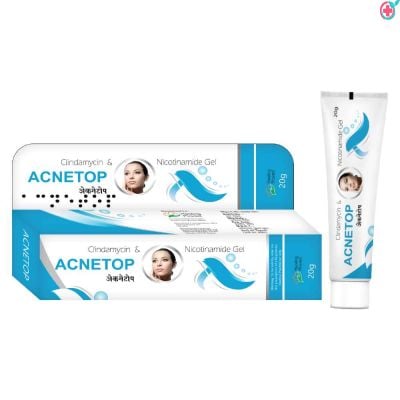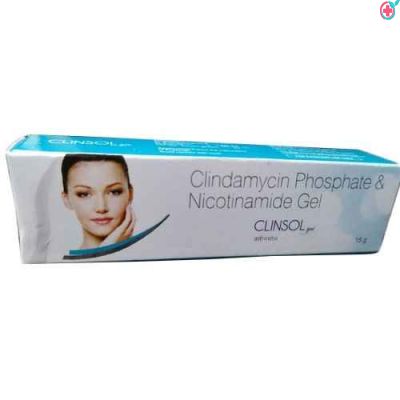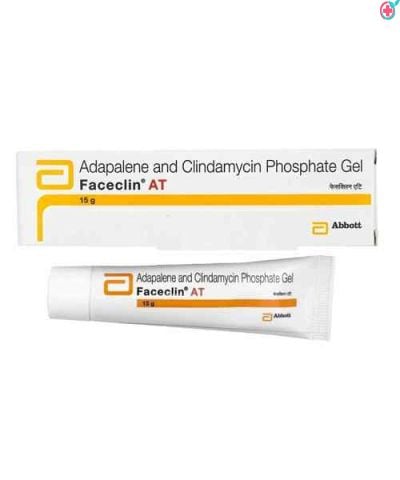
Faceclin Gel (Clindamycin and Nicotinamide Gel) | Advanced Acne Treatment Solution
Faceclin Gel contains Clindamycin and Nicotinamide, a combination used for the treatment of acne, pimples, and inflammation by killing bacteria and reducing sebum. It helps reduce acne-causing bacteria, control oil production, and decrease inflammation and redness, promoting clearer, healthier-looking skin.


Product Overview
Faceclin Gel (Clindamycin and Nicotinamide Gel) is a highly effective dual-action topical treatment specifically formulated to manage acne vulgaris and inflammation by killing bacteria and reducing sebum. It combines the potent antibacterial properties of Clindamycin with the soothing, anti-inflammatory benefits of Nicotinamide (a form of Vitamin B3). This combination is designed not only to eliminate the bacteria responsible for acne breakouts but also to reduce the associated redness and prevent the formation of acne scars. The gel-based formula is lightweight, non-greasy, and absorbs quickly, making it an ideal choice for oily and acne-prone skin types that require targeted treatment without clogging pores.
Product Composition
- Clindamycin Phosphate (1.0% w/w): A lincosamide antibiotic that stops the growth of acne-causing bacteria.
- Nicotinamide (4.0% w/w): A potent anti-inflammatory agent that improves skin barrier function and reduces sebum production.
- Base: Aqueous gel base designed for a cooling effect and rapid absorption.
- Excipients: Carbomer, propylene glycol, methylparaben, and purified water.
- Formulation: Transparent, non-staining topical gel.
- Action Category: Combined Antibacterial and Anti-inflammatory.
Product Specifications
| Feature | Description |
| Therapeutic Class | Antiacne |
| Route of Administration | Topical (External) |
| Primary Indication | Mild to moderate acne vulgaris |
| Target Pathogen | Propionibacterium acnes |
| Skin Type Compatibility | Ideal for oily, combination, and acne-prone skin |
Mechanism of Action
- Protein Synthesis Inhibition (Clindamycin): Clindamycin works by binding to the 50S ribosomal subunit of the bacteria. This action prevents the synthesis of essential proteins, effectively killing Propionibacterium acnes and reducing the bacterial load within the follicles.
- Inflammatory Cascade Suppression (Nicotinamide): Nicotinamide inhibits the release of pro-inflammatory cytokines and reduces the chemotaxis of white blood cells to the acne site, which significantly calms redness and swelling.
- Sebum Regulation: Nicotinamide helps regulate the activity of the sebaceous glands, leading to a decrease in surface oiliness that contributes to pore blockages.
- Barrier Enhancement: It stimulates the synthesis of ceramides and other lipids in the skin, strengthening the natural barrier and helping the skin retain moisture while undergoing acne treatment.
Key Benefits
- Synergistic Acne Control: Simultaneously targets the bacterial infection and the inflammatory response for faster healing of pimples.
- Reduces Post-Acne Marks: The anti-inflammatory action of Nicotinamide helps prevent the dark spots and redness (hyperpigmentation) often left behind by acne.
- Non-Oily Texture: The gel formulation provides a matte finish, making it suitable for use under makeup or sunscreen during the day.
- Low Irritation Potential: Unlike some acne treatments that cause severe peeling, the addition of Nicotinamide helps soothe the skin and maintain hydration.
- Targeted Delivery: Delivers a concentrated dose of medication directly into the pores where acne starts.
Usage
Usage Guidelines
| Step | Instruction |
| Cleaning | Wash the face with a mild cleanser and lukewarm water, then pat completely dry. |
| Dispensing | Squeeze a small, pea-sized amount of gel onto a clean fingertip. |
| Application | Apply a thin layer to the affected areas; do not apply to broken or severely irritated skin. |
| Absorption | Gently massage the gel into the skin until it is fully absorbed; it will leave a matte finish. |
| Hand Hygiene | Wash hands thoroughly after application to avoid accidental transfer to sensitive areas. |
Dosage & Administration
Faceclin Gel should be used consistently to achieve a clearer complexion:
Apply the gel once or twice daily, typically in the morning and at night, or as directed.
If using twice daily, ensure the skin is cleaned before each application.
Avoid contact with the eyes, lips, and inside of the nose; if contact occurs, rinse immediately with water.
It may take 4 to 6 weeks of regular use to see a significant improvement in acne lesions.
Do not use this product more frequently than recommended, as this will not speed up results and may increase skin dryness.
If excessive dryness or peeling occurs, reduce the frequency to once daily or every other day.
Limit exposure to intense sunlight and avoid tanning beds, as treated skin may be more sensitive to UV light.
Uses
Acne Vulgaris: Treats mild to moderate inflammatory acne, specifically targeting papules and pustules.
Bacterial Control: Eliminates Propionibacterium acnes, the primary bacteria responsible for acne breakouts.
Inflammation Reduction: Calms the swelling, redness, and tenderness associated with active pimples.
Sebum Management: Helps control excessive oil production, reducing the greasy appearance of the skin.
Scar Prevention: Minimizes the risk of long-term scarring and post-inflammatory hyperpigmentation by accelerating the healing process.
Side effects
Common Side Effects
- Mild skin dryness
- Redness or irritation at application site
- Peeling or flaking of skin
- Temporary burning or stinging sensation
- Itching
Less Common Side Effects
- Oily or dry skin imbalance
- Increased sensitivity to sunlight
- Mild skin tightness
- Temporary worsening of acne in early days of use (purging effect)
Rare Side Effects
| Rare Side Effect | Description |
|---|---|
| Severe Irritation | Intense redness, swelling, or burning requiring discontinuation |
| Allergic Reaction | Rash, hives, or severe itching due to hypersensitivity |
| Contact Dermatitis | Skin inflammation due to reaction to ingredients |
| Antibiotic Resistance | Reduced effectiveness with prolonged or improper use |
| Persistent Skin Sensitivity | Ongoing irritation even after stopping use |
Safety Note
- Discontinue use if severe irritation or allergic reaction occurs
- Consult a dermatologist if side effects persist or worsen
- Mild dryness and irritation are common initially and usually improve with continued use
- Use sunscreen daily to minimize sensitivity and prevent pigmentation changes
FAQs
Q: What is Faceclin Gel used for?
A: Faceclin Gel is used for the treatment of acne vulgaris and inflammatory acne lesions. It combines Clindamycin, a topical antibiotic that eliminates acne-causing bacteria, and Nicotinamide, a form of Vitamin B3 that reduces inflammation, controls sebum production, and improves skin texture for faster and more comprehensive acne clearance and healthier skin.
Q: How does each ingredient in Faceclin Gel work?
A: Clindamycin inhibits bacterial protein synthesis at the ribosomal level, preventing the growth and spread of Propionibacterium acnes and other acne-causing bacteria on the skin surface. Nicotinamide reduces skin inflammation by suppressing the release of pro-inflammatory cytokines, regulates sebaceous gland activity to control excess oil production, minimises enlarged pores, and helps reduce post-acne pigmentation and redness for an overall clearer and more even complexion.
Q: How should I apply Faceclin Gel?
A: Cleanse and dry the affected area thoroughly before application. Apply a thin and even layer of Faceclin Gel to the affected skin once or twice daily as directed by your dermatologist. Gently massage until fully absorbed. Avoid contact with eyes, mouth, and mucous membranes. Wash hands before and after application for hygienic use.
Q: How long does it take to see results with Faceclin Gel?
A: Most users begin to notice a visible reduction in acne, inflammation, and skin oiliness within 4 to 6 weeks of consistent daily use. Significant improvement in overall skin clarity and texture is typically achieved within 8 to 12 weeks of regular application. Complete the full prescribed course even if improvement is seen earlier for optimal and lasting results.
Q: Can Faceclin Gel be used for all types of acne?
A: Faceclin Gel is most effective for mild to moderate inflammatory acne including papules, pustules, and acne vulgaris. For severe nodular or cystic acne, consult a dermatologist for a more comprehensive and targeted treatment plan that may include oral medications alongside topical treatments.
Q: Can Faceclin Gel help with post-acne marks and pigmentation?
A: Yes, the Nicotinamide component in Faceclin Gel helps reduce post-acne redness, pigmentation, and dark marks by inhibiting melanin transfer to skin cells and reducing residual inflammation.
Q: Can Faceclin Gel control oily skin and large pores?
A: Yes, Nicotinamide in Faceclin Gel is known for its sebum-regulating properties that help control excess oil production and minimise the appearance of enlarged pores.
Q: Can Faceclin Gel cause antibiotic resistance?
A: Prolonged or unsupervised use of Clindamycin-based topical products may contribute to antibiotic resistance. The inclusion of Nicotinamide in Faceclin Gel helps reduce this risk by providing complementary anti-inflammatory and sebum-regulating action that reduces reliance on antibiotic activity alone.
Q: Can I use Faceclin Gel with other acne treatments?
A: Faceclin Gel can generally be incorporated into an existing acne treatment routine. However, avoid combining it with other antibiotic-based topical products simultaneously and use caution when combining with strong exfoliants or retinoids without consulting a dermatologist to prevent over-drying, irritation, or increased skin sensitivity.
Q: Is Faceclin Gel suitable for sensitive skin?
A: Faceclin Gel is generally well tolerated by most skin types including sensitive skin. However, some individuals may experience mild dryness, peeling, or irritation during the initial weeks of use. If irritation persists or worsens, reduce application frequency and consult your dermatologist for personalised guidance and treatment adjustments.
Q: Can I use Faceclin Gel as a spot treatment?
A: Yes, Faceclin Gel can be used as a spot treatment on individual acne lesions. However, for best results, it is generally recommended to apply it as a thin layer over the entire acne-prone area rather than just on individual spots to prevent new acne formation and control overall skin oiliness and bacterial colonisation.
Q: Can I apply sunscreen or moisturiser after Faceclin Gel?
A: Yes, allow Faceclin Gel to fully absorb into the skin before applying sunscreen or moisturiser. Use non-comedogenic and oil-free products to avoid clogging pores and to complement your acne treatment effectively. Daily sunscreen application is strongly recommended to prevent sun-induced worsening of post-acne pigmentation.
Q: Is Faceclin Gel safe during pregnancy and breastfeeding?
A: Pregnant and breastfeeding women should consult their doctor before using Faceclin Gel. While topical Clindamycin has minimal systemic absorption, the safety of topical Nicotinamide during pregnancy and lactation should also be reviewed by a healthcare professional before starting treatment.
Q: Can I wear makeup over Faceclin Gel?
A: Yes, you can apply makeup after Faceclin Gel has been fully absorbed into the skin. Choose non-comedogenic, oil-free, and fragrance-free makeup products to avoid clogging pores or irritating the skin during acne treatment for best results.
Interactions
Topical Product Interactions
- Avoid using with other topical antibiotics (e.g., erythromycin, clindamycin combinations) unless prescribed, to reduce risk of resistance or irritation
- Do not combine with strong acne actives like retinoids, benzoyl peroxide, or salicylic acid without dermatologist guidance, as it may increase dryness and irritation
- Avoid using with harsh exfoliants or alcohol-based skincare products on the same area
- Can be used with gentle moisturizers and sunscreen to reduce dryness and improve tolerance
Medication and Treatment Interactions
| Medication / Product | Interaction Effect |
|---|---|
| Other Topical Antibiotics | May increase risk of bacterial resistance or reduce effectiveness |
| Benzoyl Peroxide | Can be used in combination in some cases, but may increase dryness/irritation |
| Topical Retinoids | Increased irritation, peeling, and sensitivity |
| Strong Chemical Exfoliants | May worsen skin dryness and irritation |
Lifestyle and Usage Interactions
- Avoid excessive sun exposure; always use sunscreen during treatment
- Maintain a gentle skincare routine to avoid over-drying the skin
- Do not pick or squeeze acne lesions to prevent infection spread
Important Notes
- Inform your dermatologist about all skincare products you are using
- Introduce new acne treatments gradually to monitor skin response
- Discontinue use and seek medical advice if severe irritation or allergic reaction occurs
- Use consistently as prescribed for effective acne control and prevention of resistance
| Manufacturer | : | A. Menarini India Pvt Ltdine HCL) |
| Trade Name | : | Faceclin Gel |
| Generic Search | : | clindamycin and nicotinamide |
| Strength | : | 1% & 4% |
Certified Content

Dr. Priya Nair
Clinical Pharmacist & Senior Drug Information Specialist | 9 years
Pharm.D. (Doctor of Pharmacy)
Latest Products