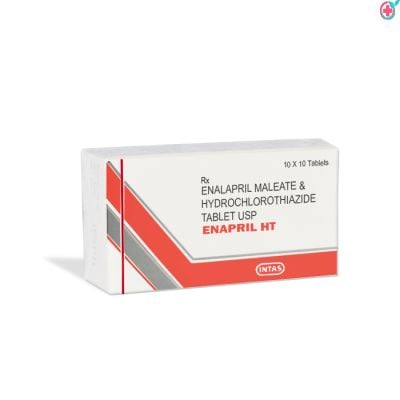
Enapril Tablet (Enalapril) | Vasotec | Used to Treat High Blood Pressure, Heart Failure, and Post-Heart Attack Recovery
Enapril Tablet (Enalapril) is an ACE (Angiotensin-Converting Enzyme) inhibitor used to treat high blood pressure (hypertension), heart failure, and certain kidney conditions. It works by blocking the production of angiotensin II, a chemical that causes blood vessels to narrow, thereby relaxing and widening the blood vessels, reducing the workload on the heart and lowering blood pressure.


Product Overview
Enapril Tablet is a highly regarded cardiovascular medication containing Enalapril, an active therapeutic agent belonging to the ACE inhibitor class. Enapril Tablet is primarily utilized to treat hypertension and manage symptoms of heart failure by facilitating easier blood flow through dilated vessels. By inhibiting the body's production of vasoconstricting chemicals, this medication helps lower the heart’s workload, effectively protecting the cardiovascular system and reducing the long-term risk of kidney and heart-related complications.
Product Composition
- Active Ingredient: Enalapril Maleate (Commonly available in 2.5 mg, 5 mg, 10 mg strengths)
- Inactive Ingredients: Includes lactose monohydrate, corn starch, sodium bicarbonate, and magnesium stearate
Product Specification
| Feature | Details |
| Drug Category | Angiotensin-Converting Enzyme (ACE) Inhibitor |
| Therapeutic Indications | Hypertension, Congestive Heart Failure, and Left Ventricular Dysfunction |
| Formulation | Oral Tablet |
| Metabolism | Converted in the liver to the active metabolite Enalaprilat |
| Onset of Action | Approximately 1 hour after oral administration |
| Excretion | Primarily renal (through urine) |
Mechanism of Action
- The medication acts as a "prodrug" that is converted into Enalaprilat, which specifically inhibits the enzyme responsible for creating Angiotensin II.
- By lowering levels of Angiotensin II, it prevents the tightening of blood vessels, resulting in systemic vasodilation and reduced peripheral resistance.
- It decreases the secretion of aldosterone, which helps the body eliminate excess salt and water, further stabilizing blood pressure levels.
- This dual action reduces both "preload" and "afterload" on the heart, allowing the cardiac muscle to pump more efficiently without excessive strain.
Key Benefits
- Effective Hypertension Control: Provides reliable 24-hour regulation of high blood pressure, helping to prevent future instances of stroke and heart disease.
- Heart Failure Management: Significantly improves survival rates and reduces the need for hospitalization in patients suffering from congestive heart failure.
- Organ Protection: Offers vital nephroprotection, particularly in diabetic patients, by reducing pressure within the kidneys and slowing the progression of kidney damage.
- Post-Infarction Support: Helps preserve heart function and structure following a myocardial infarction (heart attack).
- Enhanced Exercise Tolerance: By improving overall circulatory efficiency, it helps patients with heart conditions engage in daily physical activities with less fatigue.
Precautions
| Precaution | Description |
|---|---|
| Kidney Problems | Use carefully if you have kidney disease. |
| Heart Conditions | Inform about any heart-related problems. |
| Low Blood Pressure | May further lower blood pressure. |
| Pregnancy | Avoid use during pregnancy. |
| Breastfeeding | Consult a healthcare professional before use. |
| Potassium Intake | Avoid extra potassium supplements unless advised. |
| Dizziness | May cause dizziness or lightheadedness. |
Important Points
- Take the medicine exactly as directed.
- Regular monitoring of blood pressure and kidney function may be helpful during use.
- Inform your healthcare provider about all medicines or supplements you are taking.
- Seek medical attention if you experience swelling of the face, lips, throat, or difficulty breathing.
Usage
Dosage and administration for this medication must be customized by a healthcare provider based on the patient's blood pressure readings and renal function. To ensure the best results, Enapril Tablet should be taken at the same time every day to maintain a steady concentration of the drug in the body.
Uses
Treatment of Hypertension: Used as a primary long-term therapy to lower high blood pressure and protect against the risk of stroke and heart attacks.
Congestive Heart Failure: Prescribed to manage the symptoms of heart failure, such as shortness of breath and swelling, by making it easier for the heart to pump blood.
Asymptomatic Left Ventricular Dysfunction: Administered to patients with a weakened heart (even if they feel fine) to prevent the development of full-blown heart failure.
Diabetic Nephropathy: Utilized in patients with diabetes to provide renal protection, helping to slow down the progression of chronic kidney disease.
Cardiovascular Prophylaxis: Indicated for high-risk patients to reduce the overall frequency of clinical events related to cardiovascular disease.
FAQs
Q: What is Enapril Tablet used for?
A: Enapril (Enalapril) is used to treat high blood pressure, heart failure, and certain kidney conditions. It is also prescribed to improve survival rates after a heart attack and to slow the progression of kidney disease in diabetic patients.
Q: How does Enalapril work?
A: Enalapril works by blocking the production of angiotensin II, a chemical that causes blood vessels to narrow. This relaxes and widens the blood vessels, reduces the workload on the heart, and lowers blood pressure.
Q: How should I take Enapril Tablet?
A: Enapril can be taken with or without food at the same time each day. Swallow the tablet whole with a full glass of water. Take it exactly as prescribed by your doctor and do not alter the dose without medical advice.
Q: What is the usual dose of Enapril Tablet?
A: The typical starting dose for high blood pressure is 5mg once daily, which may be increased by your doctor up to 40mg per day depending on your condition and response to treatment.
Q: What are the common side effects of Enapril Tablet?
A: Common side effects include a dry persistent cough, dizziness, headache, fatigue, nausea, and low blood pressure. Contact your doctor if any side effects become severe or persistent.
Q: Can Enapril Tablet cause a persistent cough?
A: Yes. A dry persistent cough is one of the most common side effects of Enalapril and other ACE inhibitors. If the cough becomes bothersome, consult your doctor as an alternative medication may be recommended.
Q: Can Enapril Tablet affect kidney function?
A: Yes. Enalapril can affect kidney function in some patients, especially at the start of treatment. Regular monitoring of kidney function and potassium levels is recommended during treatment.
Q: Who should not take Enapril Tablet?
A: Enapril should not be taken by patients who are pregnant, have a history of angioedema, have severe kidney or liver disease, or are allergic to Enalapril or other ACE inhibitors.
Q: Can Enapril Tablet be taken during pregnancy?
A: No. Enalapril is contraindicated during pregnancy as it can cause serious harm or death to the unborn baby. Inform your doctor immediately if you become pregnant while taking Enapril.
Q: Can Enapril Tablet be taken with other medications?
A: Enalapril may interact with NSAIDs, potassium supplements, diuretics, lithium, and other blood pressure medications. Always inform your doctor or pharmacist about all medicines you are currently taking.
| Manufacturer | : | Intas Pharma, India |
| Trade Name | : | Vasotec |
| Generic Search | : | Enalapril |
| Strength | : | 2.5mg, 5mg, 10mg, 20mg |
Certified Content

Dr. Priya Nair
Clinical Pharmacist & Senior Drug Information Specialist | 9 years
Pharm.D. (Doctor of Pharmacy)
Latest Products