Angiotensin Tablet (Lisinopril) | Prinivil Alternative | Used to Treat High Blood Pressure and Heart Failure
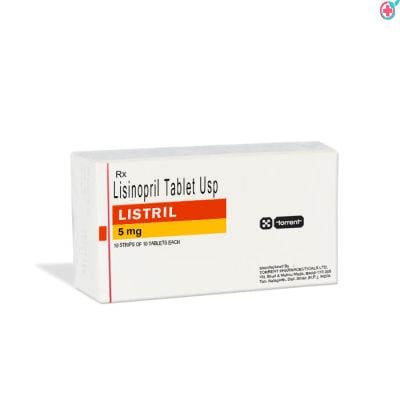
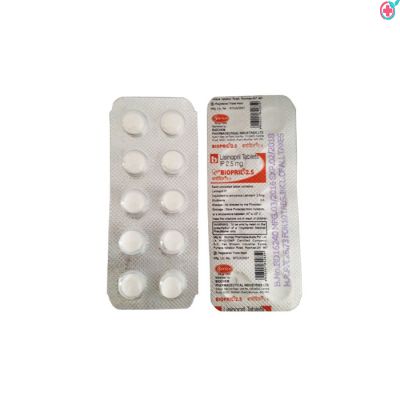
Angiotensin Tablet (Lisinopril) is an ACE inhibitor used to treat high blood pressure, heart failure, and to improve survival after a heart attack. Helps blood vessels relax and the heart pump more efficiently. It is also sold under the brand name Prinivil.


Product Overview
Angiotensin Tablet is a highly effective ACE inhibitor containing Lisinopril. Angiotensin Tablet is a cornerstone treatment in cardiovascular medicine, designed to manage hypertension (high blood pressure), treat heart failure, and improve survival following a heart attack. As a long-acting medication, it provides consistent protection by regulating the hormones that control blood pressure and fluid balance.
Product Composition
- Active Ingredient: Lisinopril (as dihydrate)
- Pharmacological Class: Angiotensin-Converting Enzyme (ACE) Inhibitor
- Common Strengths: 2.5mg, 5mg, 10mg, 20mg
- Excipients: May include calcium phosphate dibasic, mannitol, and magnesium stearate
Product Specifications
| Feature | Specification |
| Drug Category | Antihypertensive / Cardioprotective |
| Therapeutic Class | ACE Inhibitor |
| Half-Life | Approximately 12 hours |
| Onset of Action | Within 1 hour |
| Peak Effect | Approximately 6–7 hours |
| Storage | Store at room temperature away from moisture |
Mechanism of Action
- ACE Inhibition: Lisinopril works by inhibiting the angiotensin-converting enzyme, which prevents the conversion of Angiotensin I to Angiotensin II.
- Vasodilation: Since Angiotensin II is a potent vasoconstrictor, reducing its levels leads to the relaxation of blood vessels, lowering peripheral vascular resistance.
- Aldosterone Reduction: It decreases the secretion of aldosterone, which helps the kidneys excrete sodium and water while retaining potassium, effectively reducing fluid volume.
- Cardiac Remodeling: In patients with heart failure or post-myocardial infarction, it helps prevent the unhealthy "remodeling" or stretching of the heart muscle.
Key Benefits
- Stable Blood Pressure Control: Provides a smooth and predictable reduction in systolic and diastolic blood pressure with once-daily dosing.
- Heart Failure Management: Clinically proven to reduce symptoms, improve exercise tolerance, and decrease hospitalizations in patients with congestive heart failure.
- Post-Infarction Survival: Enhances survival rates when administered within 24 hours of an acute myocardial infarction (heart attack).
- Renoprotection: Highly beneficial for patients with diabetes, as it helps protect the kidneys and slows the progression of diabetic nephropathy.
- Non-Metabolized Clearance: Unlike many other ACE inhibitors, Lisinopril is not metabolized by the liver and is excreted unchanged by the kidneys, making it a preferred choice in certain patient profiles.
Precautions
Medical supervision
- Use Angiotensin Tablet (Lisinopril) only under proper medical supervision
- Do not stop or change dose without guidance
- Regular blood pressure monitoring is important
- Long term use may require periodic evaluation
Health conditions
| Condition | Precaution |
|---|---|
| Kidney disease | Dose adjustment and monitoring may be needed |
| Liver disease | Use with caution |
| Low blood pressure | Higher risk of dizziness or fainting |
| High potassium levels | Requires regular monitoring |
| Heart disease | Careful dose adjustment may be required |
Blood pressure effects
- May cause dizziness, especially at start of treatment
- Rise slowly from sitting or lying position
- Monitor blood pressure regularly
Kidney and electrolyte safety
- Kidney function tests may be needed during treatment
- Potassium levels should be monitored
- Report reduced urine output or muscle weakness
Pregnancy precautions
- Avoid use during pregnancy unless specifically advised
- Inform healthcare provider if pregnancy occurs during treatment
Lifestyle precautions
- Avoid excessive alcohol intake
- Maintain proper hydration
- Follow dietary advice if given for salt or potassium intake
Monitoring advice
- Regular blood pressure, kidney, and electrolyte tests may be required
- Report swelling of face, lips, or throat immediately
- Seek medical attention if severe dizziness or breathing difficulty occurs
Usage
Angiotensin Tablet is a long-acting ACE inhibitor that requires consistent administration to maintain a stable antihypertensive effect. Because it provides a steady reduction in pressure over a 24-hour period, timing and adherence are critical for long-term cardiovascular protection.
Dosage and Administration
Following these clinical protocols ensures the medication effectively regulates blood pressure while minimizing the risk of a sudden drop in pressure (hypotension).
Administration Timing: The tablet should be taken once daily, preferably at the same time each day. Many patients find that taking it in the morning helps them stay consistent with their routine.
Oral Routine: The tablet can be taken with or without food. It should be swallowed with a full glass of water.
Hydration Awareness: It is important to stay adequately hydrated. Excessive sweating, diarrhea, or vomiting can lead to a significant loss of body water, which may cause a dangerous fall in blood pressure.
Avoid Potassium Supplements: Unless specifically directed by a physician, avoid using potassium-containing salt substitutes or supplements, as ACE inhibitors can increase potassium levels in the blood (hyperkalemia).
Monitoring: Regular check-ups to monitor blood pressure, kidney function, and serum potassium levels are standard during therapy.
Missed Dose: If a dose is missed, take it as soon as you remember. If it is nearly time for your next dose, skip the missed one. Do not take a double dose.
Uses
Angiotensin Tablet is indicated for the treatment and prevention of several conditions related to the cardiovascular and renal systems.
Primary Therapeutic Uses
Management of Hypertension: Used as a primary treatment to lower high blood pressure in adults and children (6 years and older), reducing the risk of stroke and heart attack.
Treatment of Heart Failure: Prescribed to manage stable congestive heart failure, usually in combination with diuretics and digitalis, to improve the heart's pumping efficiency.
Post-Myocardial Infarction Care: Administered within 24 hours of an acute heart attack to improve survival rates and prevent the weakening of the heart muscle.
Diabetic Nephropathy Management: Used to treat kidney disease in hypertensive patients with Type 2 Diabetes, helping to slow the progression of renal damage and reduce protein leakage in the urine.
Cardiovascular Risk Reduction: Long-term use helps protect the blood vessels and heart from the cumulative damage of high arterial pressure.
Renal Protection: Helps maintain kidney function in patients who are at high risk for chronic kidney disease due to underlying vascular issues.
Side effects
Common side effects
- Dizziness
- Headache
- Dry cough
- Fatigue
- Low blood pressure
- Nausea
Heart and circulation effects
- Feeling faint or lightheaded
- Irregular heartbeat in some cases
- Chest discomfort (rare)
Kidney and electrolyte effects
- Increased potassium levels
- Reduced kidney function in some patients
- Muscle weakness or cramps
Digestive system effects
- Stomach pain
- Diarrhea
- Vomiting
- Loss of appetite
Skin reactions
- Rash
- Itching
- Mild allergic skin reactions
Serious side effects (rare)
| Serious effect | Possible signs |
|---|---|
| Severe allergy (angioedema) | Swelling of face, lips, throat, breathing difficulty |
| Severe low blood pressure | Fainting, severe dizziness, confusion |
| Kidney problems | Reduced urine, swelling, tiredness |
| High potassium levels | Irregular heartbeat, muscle weakness |
Important warning
- Stop use and seek immediate attention if serious symptoms occur
- Report swelling, breathing difficulty, or persistent cough promptly
- Regular blood pressure and kidney tests may help reduce risks during treatment
FAQs
Q: What is Angiotensin Tablet used for?
A: Angiotensin Tablet is used to treat high blood pressure (hypertension), congestive heart failure, and to reduce the risk of death after a heart attack. It is also used to protect the kidneys in patients with diabetes and high blood pressure.
Q: How does Angiotensin Tablet work?
A: Lisinopril blocks the angiotensin-converting enzyme (ACE), which prevents the formation of angiotensin II, a chemical that tightens blood vessels. This allows blood vessels to relax and widen, making it easier for the heart to pump blood and lowering blood pressure.
Q: How should Angiotensin Tablet be taken?
A: Take it once daily with or without food at the same time each day. Swallow the tablet whole with a glass of water.
Q: What are the common side effects of Angiotensin Tablet?
A: Common side effects include dry persistent cough, dizziness, headache, fatigue, nausea, low blood pressure, and increased potassium levels. Most are mild and resolve on their own. Consult your doctor if they persist or worsen.
Q: Why does Angiotensin Tablet cause a dry cough?
A: Lisinopril increases the levels of bradykinin in the body, which can irritate the airways and cause a dry persistent cough. This is a common side effect affecting up to 10% of patients.
Q: Who should not take Angiotensin Tablet?
A: Avoid if you are allergic to Lisinopril or any other ACE inhibitor. Also avoid if you have a history of angioedema, severe kidney disease, or if you are pregnant.
Q: Can Angiotensin Tablet be used during pregnancy?
A: No, Angiotensin Tablet is contraindicated during pregnancy. Lisinopril can cause serious harm to the developing baby including birth defects, kidney failure, and neonatal death.
Q: Is Angiotensin Tablet safe during breastfeeding?
A: Angiotensin Tablet is not recommended during breastfeeding. Consult your doctor before taking this medicine while breastfeeding.
Q: Can Angiotensin Tablet cause angioedema?
A: Yes, Lisinopril can rarely cause angioedema, a serious allergic reaction involving sudden swelling of the face, lips, tongue, throat, or limbs. Seek immediate medical attention if this occurs as it can be life-threatening.
Q: Can Angiotensin Tablet affect kidney function?
A: Lisinopril can affect kidney function, especially in patients with pre-existing kidney disease or those taking NSAIDs or diuretics. Your doctor may monitor kidney function regularly during treatment.
Q: Can Angiotensin Tablet affect potassium levels?
A: Yes, Lisinopril may increase potassium levels in the blood. Avoid potassium supplements or salt substitutes containing potassium unless advised by your doctor. Regular blood tests may be needed to monitor electrolyte levels.
Q: Can I drink alcohol while taking Angiotensin Tablet?
A: Avoid alcohol while taking Angiotensin Tablet as it may further lower blood pressure and increase the risk of dizziness and lightheadedness.
| Manufacturer | : | Healing Pharma |
| Trade Name | : | Prinivil |
| Generic Search | : | Lisinopril |
| Strength | : | 5mg, 10mg, 2.5mg, 20mg |
Certified Content

Dr. Priya Nair
Clinical Pharmacist & Senior Drug Information Specialist | 9 years
Pharm.D. (Doctor of Pharmacy)
Latest Products