Clopicard Tablet (Clopidogrel) | Used in Prevention of Blodd Clots and Heart Diseases
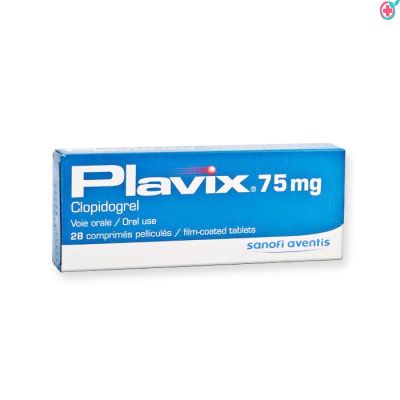
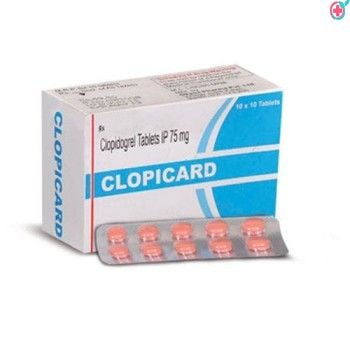
Clopicard Tablet contains Clopidogrel, used to prevent blood clots in patients, reducing the risk of heart attacks and strokes in high-risk patients, such as those with previous cardiovascular events or stents. It works by blocking platelets from sticking together, reducing the risk of serious cardiovascular events like heart attack and stroke. Clopidogrel belongs to a class of medicines called antiplatelet. It’s a “blood thinner”. It works by blocking certain blood cells called platelets and prevents them from forming harmful blood clots. Plavix is another name for Clopidogrel.


Product Overview
Clopicard Tablet (Clopidogrel) is an antiplatelet medicine used to prevent harmful blood clots. It helps reduce the risk of heart attack, stroke, and other cardiovascular complications by improving blood flow and preventing platelets from sticking together. Clopicard Tablet contains Clopidogrel, a potent antiplatelet medication classified as a P2Y12 ADP receptor antagonist. It is widely prescribed to reduce the risk of major cardiovascular events by inhibiting the aggregation of platelets, thereby preventing the formation of harmful blood clots in patients with established vascular diseases.
Product Composition
- Active Ingredient: Clopidogrel Bisulfate (equivalent to 75 mg Clopidogrel base)
- Excipients: Microcrystalline cellulose, mannitol, hydroxypropyl cellulose, polyethylene glycol, and specialized film-coating agents
- Formulation: Oral film-coated tablet for systemic absorption
- Action Category: Thienopyridine-class antiplatelet agent
Product Specifications
| Feature | Description |
| Therapeutic Class | Antiplatelet / Antithrombotic |
| Route of Administration | Oral |
| Primary Metabolism | Hepatic (via CYP450 enzymes) |
| Bioavailability | Rapidly absorbed after oral administration |
| Elimination Half-Life | Approximately 6 hours (for active metabolite) |
Mechanism of Action
- ADP Receptor Blockade: Selectively and irreversibly binds to the P2Y12 component of ADP receptors on the platelet surface.
- Inhibition of Aggregation: Prevents the activation of the GPIIb/IIIa receptor complex, which is the final common pathway for platelet aggregation.
- Long-Lasting Effect: Because the binding is irreversible, the antiplatelet effect persists for the remaining lifespan of the platelet (approximately 7 to 10 days).
- Cardiovascular Protection: Reduces the incidence of atherothrombotic events, such as myocardial infarction and stroke, by maintaining vessel patency.
Key Benefits
- Secondary Prevention: Significantly reduces the risk of secondary cardiovascular events in patients with a history of recent myocardial infarction, stroke, or established peripheral arterial disease.
- Acute Coronary Syndrome Management: Essential component of dual antiplatelet therapy for patients undergoing percutaneous coronary intervention (PCI) and stenting.
- Consistent Efficacy: Offers reliable prevention of clot-related complications in high-risk patients when taken consistently as prescribed.
- Vascular Patency: Aids in maintaining blood flow through compromised arteries by suppressing the excessive clumping of blood cells.
Precautions
Medical supervision
- Use only under prescription as Clopidogrel affects blood clotting ability
- Do not stop the medicine suddenly without doctor’s advice
Bleeding risk
| Condition | Precaution |
|---|---|
| Active bleeding disorders | Avoid use due to increased bleeding risk |
| Recent surgery or injury | Use with caution as bleeding may be prolonged |
| Gastrointestinal ulcers | Higher risk of stomach or intestinal bleeding |
| Blood disorders | Requires careful monitoring of platelet levels |
Surgical and dental care
- Inform your doctor or dentist before any surgical or dental procedure
- May need temporary discontinuation before major surgeries under medical guidance
Drug and lifestyle caution
- Avoid alcohol as it increases risk of stomach bleeding
- Be cautious when using other blood thinners or NSAIDs unless prescribed
- Do not self-combine with similar antiplatelet or anticoagulant medicines
Monitoring requirements
- Regular blood tests may be required to monitor platelet function and bleeding risk
- Report unusual bruising, nosebleeds, or prolonged bleeding immediately
Usage
Dosage
The recommended dose for most indications is 75 mg once daily, taken with or without food.
| Aspect | Instruction |
| Daily Dose | 75 mg once daily |
| Administration Route | Oral |
| Food Interaction | May be taken with or without food |
| Consistency | Take at the same time each day |
Administration
Consistent Dosing: Take the tablet exactly as prescribed by your doctor. Maintain a consistent schedule to ensure effective platelet inhibition.
Missed Dose: If a dose is missed, take it as soon as remembered. If it is near the time for the next dose, skip the missed dose and resume your regular schedule. Do not double the dose.
Surgery Advisory: Inform your physician, dentist, or surgeon that you are taking this medication before any planned surgical or dental procedures, as it may increase bleeding risk.
Storage: Keep the tablets in the original packaging, stored at room temperature, away from moisture and direct heat.
Uses
Secondary Prevention of Atherothrombotic Events: Indicated for patients with a history of recent myocardial infarction, recent stroke, or established peripheral arterial disease to reduce the risk of further events.
Acute Coronary Syndrome (ACS): Used in patients with unstable angina or non-ST-segment elevation myocardial infarction (NSTEMI), often in combination with aspirin, to reduce the rate of cardiovascular death or recurrence.
ST-Segment Elevation Myocardial Infarction (STEMI): Utilized to reduce the rate of cardiovascular death and recurrent myocardial infarction in patients managing acute STEMI.
Post-Stent Management: Essential for patients undergoing percutaneous coronary intervention (PCI) with stent placement to prevent stent thrombosis and maintain vessel patency.
Atrial Fibrillation: Sometimes prescribed as an alternative therapy for patients with atrial fibrillation who are at risk for vascular events and cannot tolerate other anticoagulation treatments.
Side effects
Common side effects
- Easy bruising or prolonged bleeding from minor cuts
- Nosebleeds or gum bleeding
- Mild stomach pain or indigestion
- Diarrhea or nausea
- Headache or dizziness
Serious side effects
| Body System | Possible Effects |
|---|---|
| Blood | Severe bleeding, low platelet count |
| Gastrointestinal | Stomach ulcers or internal bleeding |
| Skin | Rash, itching, or allergic reactions |
| Liver | Rare liver enzyme elevation or dysfunction |
| Nervous system | Severe headache or confusion in rare cases |
Warning signs requiring medical attention
- Unusual or heavy bleeding that does not stop
- Blood in urine or stools, or black tarry stools
- Vomiting blood or material resembling coffee grounds
- Sudden weakness, severe dizziness, or fainting
- Signs of allergic reaction such as swelling, rash, or breathing difficulty
FAQs
Q: What is the primary purpose of Clopicard Tablet?
A: It is an antiplatelet medication used to prevent serious cardiovascular events, such as heart attacks and strokes, by stopping blood clots from forming in the arteries.
Q: How does Clopidogrel differ from aspirin?
A: While both are antiplatelets, they work through different mechanisms. Clopidogrel blocks the P2Y12 ADP receptor, whereas aspirin inhibits the cyclooxygenase enzyme. Doctors often prescribe them together for enhanced protection.
Q: Is it safe to take Clopicard with other medications?
A: It can interact with certain drugs, especially other blood thinners, NSAIDs, or specific stomach acid reducers like omeprazole. Always provide your doctor with a complete list of your current medications to ensure safety.
Q: What should I do if I miss a dose?
A: Take the missed dose as soon as you remember. However, if it is almost time for your next scheduled dose, skip the missed one. Do not take two tablets at once to make up for a missed dose.
Q: Can I stop taking Clopicard on my own?
A: No, you should never stop this medication without consulting your doctor first. Stopping prematurely significantly increases the risk of a blood clot, heart attack, or stroke, especially if you have had a recent stent procedure.
Q: What are the common side effects I should monitor?
A: The most common concern is an increased tendency to bleed or bruise easily. You should contact your healthcare provider immediately if you experience prolonged bleeding, black or tarry stools, or unusual nosebleeds.
Interactions
Drug interactions
- Increased bleeding risk when used with other blood thinners such as warfarin or heparin
- Higher chance of gastrointestinal bleeding when combined with NSAIDs like ibuprofen or diclofenac
- Reduced effectiveness may occur with certain proton pump inhibitors such as omeprazole
- Additive effect with other antiplatelet medicines can increase bleeding tendency
- Caution with thrombolytic drugs as they may significantly increase bleeding risk
Medicine combination effects
| Medicine Type | Interaction Effect |
|---|---|
| Anticoagulants | Increased risk of serious bleeding |
| NSAIDs | Higher risk of stomach and internal bleeding |
| Proton pump inhibitors | Possible reduction in Clopidogrel effectiveness |
| Other antiplatelets | Enhanced blood thinning effect |
| Thrombolytics | Very high risk of bleeding complications |
Food and lifestyle interactions
- Excess alcohol intake increases risk of gastrointestinal bleeding
- No major food restrictions, but consistent dosing is important for effectiveness
Clinical monitoring
- Regular monitoring for signs of bleeding is recommended during combined therapy
- Inform healthcare provider about all current medications before starting Clopicard Tablet
| Manufacturer | : | A. Menarini India Pvt Ltdine HCL) |
| Trade Name | : | Plavix |
| Generic Search | : | Clopidogrel |
| Strength | : | 75 mg |
Certified Content

Dr. Priya Nair
Clinical Pharmacist & Senior Drug Information Specialist | 9 years
Pharm.D. (Doctor of Pharmacy)
Latest Products