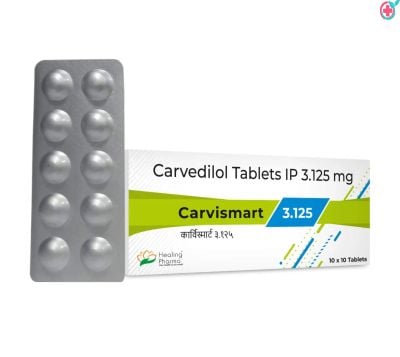
Cardivas Tablet (Carvedilol) | Effective Blood Pressure Control Medicine for Heart Health Support
Cardivas Tablet contains Carvedilol, a beta-blocker used to treat high blood pressure (hypertension), heart failure, and to improve survival after a heart attack. It works by blocking alpha-1, beta-1, and beta-2 adrenergic receptors, which relaxes blood vessels, slows the heart rate, and reduces the workload on the heart.


Product Overview
Cardivas Tablet is a highly effective, dual-acting cardiovascular medication formulated with Carvedilol to manage elevated blood pressure and support long-term heart health. By functioning as a non-selective beta-blocker and a selective alpha-1 blocker, this therapeutic agent provides comprehensive protection for the cardiovascular system. It is widely utilized in clinical practice to reduce the workload on the heart, improve blood flow, and lower peripheral vascular resistance, making it a cornerstone treatment for managing various chronic cardiac conditions.
Product Composition
- Active Formulation Element: Carvedilol (typically available in graduated strengths including 3.125 mg, 6.25 mg, 12.5 mg, and 25 mg, 10mg, 20mg, 40mg)
- Tablet Matrix Binder: Lactose Monohydrate
- Structural Disintegrants: Croscarmellose Sodium and Microcrystalline Cellulose
- Lubricants & Glidants: Magnesium Stearate and Colloidal Silicon Dioxide
Product Specification
| Feature | Detail |
| Dosage Form | Immediate-Release Oral Compressed Tablet |
| Therapeutic Class | Dual Alpha and Beta-Adrenergic Receptor Blocker |
| Metabolic Pathway | Extensive hepatic metabolism via CYP2D6 and CYP2C9 enzymes |
| Storage Parameters | Store below 30 Degrees Celsius in a dry place protect from moisture |
Mechanism of Action
- Alpha-1 Adrenergic Blockade: Inhibits alpha-1 receptors on vascular smooth muscle cells, causing peripheral vasodilation and a subsequent drop in systemic vascular resistance.
- Non-Selective Beta Blockade: Binds to beta-1 and beta-2 receptors to suppress the binding of epinephrine and norepinephrine, lowering heart rate and myocardial contractility.
- Neurohormonal Suppression: Attenuates the overactivation of the sympathetic nervous system, which directly reduces the toxic effects of chronic catecholamine exposure on cardiac tissue.
- Antioxidant Properties: Exhibits free-radical scavenging capabilities at a cellular level, helping to mitigate dangerous oxidative stress within vascular walls.
Key Benefits
- Comprehensive Blood Pressure Management: Successfully lowers elevated systemic pressure by combining vessel relaxation with a controlled, stabilized heart rate.
- Enhanced Cardiac Efficiency: Decreases the cardiac workload and myocardial oxygen demand, allowing the heart muscle to pump blood more efficiently throughout the body.
- Ventricular Function Support: Helps arrest and reverse adverse cardiac remodeling, significantly improving left ventricular ejection fraction over time.
- Sustained End-Organ Protection: Reduces long-term stress on delicate arterial networks, lowering the risk of severe complications associated with chronic hypertension.
Precautions
Important Safety Information Before Using Cardivas Tablet
Cardivas Tablet (Carvedilol) should be used carefully to help maintain stable blood pressure and support heart health. Proper monitoring may help reduce the risk of unwanted effects during treatment.
| Precaution | Details |
|---|---|
| Blood Pressure Monitoring | Check blood pressure regularly |
| Heart Rate Monitoring | Monitor pulse and heart rate |
| Avoid Sudden Stopping | Do not stop treatment abruptly |
| Take With Food | Helps improve tolerance |
| Medical History | Inform about heart, liver, or breathing problems |
| Dizziness Risk | Rise slowly from sitting or lying positions |
| Blood Sugar Monitoring | Diabetic patients should monitor glucose levels |
| Regular Checkups | Maintain routine medical follow ups |
Use Carefully In
- People with asthma or breathing disorders
- Individuals with diabetes
- Elderly patients
- People with liver problems
Storage Instructions
- Store in a cool and dry place
- Keep away from moisture and heat
- Keep out of reach of children
- Do not use after expiry date
Helpful Usage Tips
- Take the tablet at the same time daily
- Follow a heart healthy lifestyle
- Limit alcohol intake during treatment
- Maintain regular exercise and balanced nutrition
Usage
Administration
Take with Food: Consume each dose alongside a meal to slow down the rate of systemic absorption and minimize the risk of a sudden drop in blood pressure.
Consistent Timing: Maintain a structured daily routine by swallowing the medication at the exact same times every day to ensure steady plasma concentrations.
Swallow Whole: Take the tablet with a full glass of water without crushing, chewing, or splitting the immediate-release matrix unless specifically instructed.
Avoid Sudden Cessation: Continue taking the medication regularly even if feeling completely well; stopping abruptly can trigger severe rebound cardiovascular events.
Monitor Vital Signs: Regularly check resting heart rate and blood pressure values at home before taking the scheduled dose to tracking body adaptation.
Dosage
| Phase Type | Administration Plan |
| Initiation Step | Started at a very low entry strength to gauge early vascular tolerance. |
| Titration Interval | Increased gradually over distinct two-week intervals based on clinical assessment and tolerability. |
| Adjustment Factor | Monitored carefully for several hours following any strength upward adjustment to check for dizziness. |
Uses
Cardiovascular Management
Chronic Hypertension Control: Relaxes constricted arterial pathways to bring down elevated baseline blood pressure and maintain systemic vascular balance.
Congestive Heart Failure Support: Stabilizes ventricular function and reduces strain on the heart muscle when used alongside standard foundational cardiac regimens.
Left Ventricular Dysfunction: Promotes healthy myocardial recovery following a myocardial infarction by controlling sympathetic nervous system overactivation.
Ischemic Protection
Chronic Stable Angina: Prevents the onset of severe chest pain by lowering myocardial oxygen demand and regulating a steady cardiac workload.
Arterial Strain Reduction: Shields the delicate vascular network from chronic high-pressure damage, protecting vital end-organs from long-term stress.
FAQs
Q: What is Cardivas Tablet used for?
A: It is used to treat heart failure, high blood pressure (hypertension), and left ventricular dysfunction following a heart attack. It helps improve heart function and reduce cardiovascular risk.
Q: How does Carvedilol work?
A: It blocks alpha-1, beta-1, and beta-2 adrenergic receptors, which relaxes and widens blood vessels, slows the heart rate, and reduces the overall workload on the heart.
Q: How should Cardivas Tablet be taken?
A: It should be taken orally with food to reduce the risk of dizziness and low blood pressure. Follow the dose and schedule prescribed by your doctor.
Q: How long does it take for Cardivas to work?
A: Blood pressure lowering effects may be noticed within a few hours, but the full therapeutic benefit for heart failure may take several weeks of consistent use.
Q: What are the common side effects?
A: Common side effects include dizziness, fatigue, low blood pressure (hypotension), slow heart rate (bradycardia), weight gain, and shortness of breath, particularly at the start of treatment.
Q: Can Cardivas Tablet be stopped suddenly?
A: No, stopping Carvedilol abruptly can cause serious complications including rebound high blood pressure, chest pain, or worsening heart condition. Always consult your doctor before discontinuing.
Q: Can diabetic patients use Cardivas Tablet?
A: Caution is advised in diabetic patients as Carvedilol may mask the symptoms of low blood sugar (hypoglycemia). Regular blood sugar monitoring is recommended.
Q: Can it be used in patients with asthma or breathing problems?
A: It is generally not recommended for patients with asthma or severe chronic obstructive pulmonary disease (COPD) as it may cause bronchospasm and worsen breathing difficulties.
Interactions
Possible Interactions with Cardivas Tablet
Cardivas Tablet (Carvedilol) may interact with certain medicines and supplements. These interactions can affect blood pressure, heart rate, or overall treatment response.
| Product Type | Possible Effect |
|---|---|
| Blood Pressure Medicines | May lower blood pressure excessively |
| Diabetes Medicines | May affect blood sugar control |
| Heart Rhythm Medicines | Increased risk of slow heart rate |
| Calcium Channel Blockers | May affect heart function |
| Asthma Medicines | Reduced effectiveness of breathing medicines |
| Diuretics | May increase dizziness or low blood pressure |
| Alcohol | Can increase drowsiness or dizziness |
| Pain Relief Medicines | May reduce blood pressure control effect |
Use Carefully With
- Other beta blocker medicines
- Medicines affecting heart rhythm
- Sedative or sleeping medicines
- Products that lower blood pressure
Helpful Monitoring Tips
- Monitor blood pressure regularly
- Check heart rate during treatment
- Inform about all ongoing medicines
- Report unusual dizziness or weakness
When to Seek Medical Attention
- Severe dizziness or fainting
- Very slow heartbeat
- Breathing difficulty
- Swelling of face or severe allergic reactions
| Manufacturer | : | Sun Pharma, India |
| Trade Name | : | Coreg |
| Generic Search | : | Carvedilol |
| Strength | : | 3.125mg, 6.25mg, 12.5mg, 10mg, 20mg, 25mg, 40mg |
Certified Content

Dr. Priya Nair
Clinical Pharmacist & Senior Drug Information Specialist | 9 years
Pharm.D. (Doctor of Pharmacy)
Latest Products