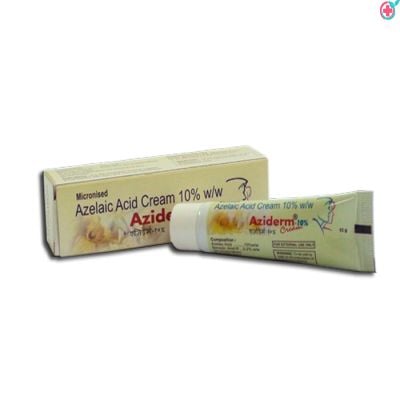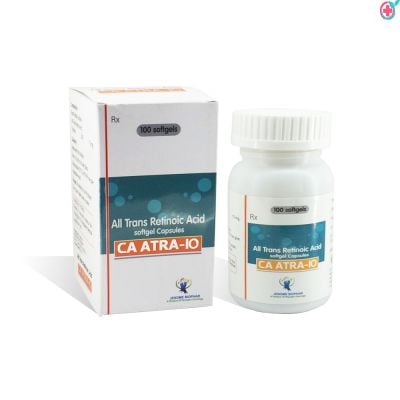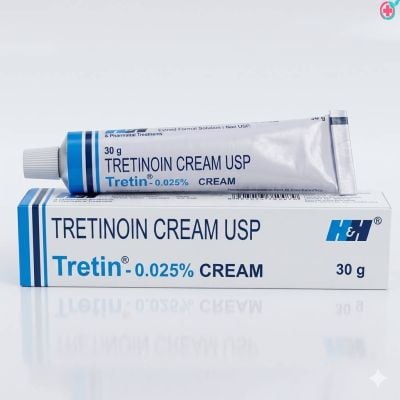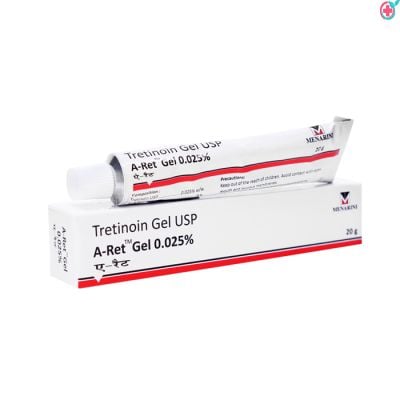
Aziderm Gel (Azelaic Acid) - Used to Treat Rosacea, Mild-To-Moderate Inflamed Acne (Pimples)


Product Overview
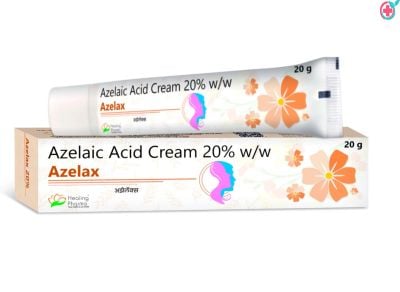
Aziderm Gel is a highly effective dermatological treatment containing Azelaic Acid, a naturally occurring dicarboxylic acid. It is a versatile "multi-tasking" skincare agent primarily used to treat mild-to-moderate acne and inflammatory rosacea. Aziderm is unique because it simultaneously targets three key issues: bacteria, inflammation, and skin cell buildup. Additionally, it is widely recognized for its ability to fade post-inflammatory hyperpigmentation (dark spots left by acne) by inhibiting abnormal melanocytes, leading to a clearer and more even skin tone.
Product Composition
- Azelaic Acid: Available in 10%, 15%, or 20% w/w concentrations.
- Gel Base: An aqueous, non-comedogenic base designed for fast absorption and a matte finish.
- Key Properties: Fragrance-free and oil-free formula.
Product Specification
| Feature | Details |
| Brand Name | Aziderm |
| Category | Antibacterial / Antiacne / Skin Lightening |
| Active Ingredient | Azelaic Acid |
| Form | Gel |
| Indication | Acne Vulgaris, Rosacea, Melasma, Hyperpigmentation |
Mechanism of Action
- Antibacterial Impact: Azelaic acid reduces the growth of Propionibacterium acnes, the bacteria responsible for inflammatory breakouts.
- Keratolytic Effect: It normalizes the shedding of dead skin cells, preventing them from clogging pores and forming comedones.
- Anti-Inflammatory: It scavenges free radicals and reduces the production of inflammatory markers, helping to calm rosacea and red bumps.
- Selective Depigmentation: It inhibits the enzyme tyrosinase, which prevents the overproduction of melanin in damaged or overactive skin cells without affecting normal skin color.
Key Benefits
- Clears Active Acne: Reduces the frequency and severity of pimples and blackheads.
- Fades Dark Spots: Excellent for treating acne scars and melasma.
- Gentle on Skin: Generally better tolerated than retinoids, making it suitable for sensitive skin types.
- Non-Photosensitizing: Unlike many acne treatments, it does not make the skin significantly more sensitive to the sun.
Precautions
General Precautions
| Precaution | Details |
|---|---|
| External Use Only | Apply only on skin; do not ingest |
| Avoid Sensitive Areas | Keep away from eyes, lips, nostrils, and mucous membranes |
| Proper Application | Apply a thin layer as directed; avoid overuse |
| Hand Hygiene | Wash hands before and after application |
| Gradual Use | Start slowly if skin is sensitive to reduce irritation |
Skin Safety Precautions
- Do not apply on broken, severely irritated, or infected skin unless advised
- Mild burning, itching, or stinging may occur initially
- Discontinue use if severe irritation or allergic reaction develops
- Avoid excessive scrubbing or exfoliation during treatment
Sun Exposure Precautions
- Use sunscreen daily as skin may become more sensitive to sunlight
- Avoid prolonged sun exposure and tanning beds
- Reapply sunscreen regularly during daytime
Special Precautions
- Use cautiously in individuals with sensitive or allergy-prone skin
- Consult a doctor before use during pregnancy or breastfeeding
- Not recommended for children unless prescribed
- Avoid combining with strong exfoliants or harsh acne treatments without guidance
Skincare Routine Precautions
- Avoid alcohol-based toners, astringents, and harsh cleansers
- Use gentle, non-comedogenic moisturizers to reduce dryness
- Do not layer multiple strong actives at the same time
Storage Precautions
- Store in a cool and dry place
- Keep away from direct sunlight and heat
- Close tube tightly after use
- Keep out of reach of children
Usage
Dosage
Apply a thin film to the affected skin areas twice daily, once in the morning and once in the evening. For those with sensitive skin, it is recommended to start with once-daily application in the evening for the first week.
Administration
| Instruction | Method |
| Cleanse | Wash the skin with a very gentle, soap-free cleanser and pat dry. |
| Wait | Ensure the skin is completely dry before application to minimize the risk of tingling. |
| Apply | Use a small amount (about the size of a pea) and spread it thinly over the entire affected area. |
| Monitor | If excessive dryness or irritation occurs, reduce frequency to once daily or every other day. |
| Follow-up | Wash your hands thoroughly after application to avoid contact with eyes or mouth. |
Uses
Acne Management: Targets the bacteria and clogged pores that cause breakouts.
Hyperpigmentation: Lightens dark spots and acne marks by inhibiting overactive melanin production.
Rosacea Treatment: Reduces the redness, swelling, and bumps associated with inflammatory rosacea.
Skin Brightening: Improves overall skin tone by gently exfoliating and evening out discoloration.
Melasma Therapy: Used as a safe, long-term option to manage hormonal skin darkening.
Anti-Comedogenic: Prevents the formation of new blackheads and whiteheads by keeping pores clear.
Side Effects
Common Side Effects
- Mild burning or stinging sensation at application site
- Skin dryness or tightness
- Redness of the skin
- Itching or mild irritation
- Slight peeling or flaking
Less Common Side Effects
- Temporary worsening of acne or breakouts (initial phase)
- Mild skin discoloration or sensitivity
- Rash or contact irritation
- Increased sensitivity to sunlight
- Oily or dry skin imbalance
Serious Side Effects
| Serious Side Effect | Description |
|---|---|
| Severe irritation | Intense redness, burning, or swelling that does not improve |
| Allergic reaction | Rash, itching, or swelling indicating hypersensitivity |
| Persistent peeling | Excessive dryness or skin barrier damage |
| Worsening condition | No improvement or worsening of acne/pigmentation |
| Contact dermatitis | Severe skin inflammation due to sensitivity |
Monitoring
- Monitor for redness, burning, or persistent dryness during initial use
- Watch for worsening acne or irritation in early weeks
- Discontinue use if severe allergic reaction occurs
- Consult a doctor if side effects persist or worsen over time
FAQs
Q: What is the product used for?
A: Aziderm Gel is used to treat acne and rosacea. It also helps fade dark spots and patches of skin discoloration (hyperpigmentation) caused by acne or sun damage.
Q: How long does it take to see results?
A: Most people see an improvement in acne after 4 weeks. For fading dark spots or melasma, it usually takes 3 to 6 months of consistent use to see significant results.
Q: Will it sting when I apply it?
A: A mild tingling or itching sensation is common during the first few applications as your skin adjusts. This usually disappears after a few minutes.
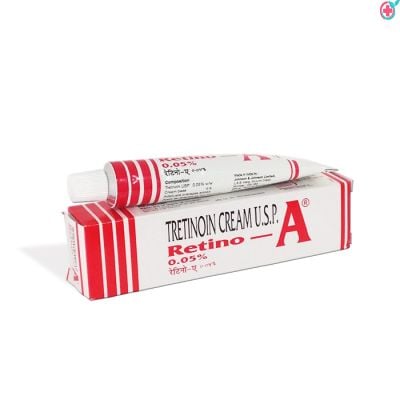
Q: Can I use this with Vitamin C or Retinol?
A: Yes, but be cautious. Using too many active ingredients at once can cause irritation. It is often best to use Aziderm in the morning and Retinol at night.
Q: Does it make the skin sensitive to the sun?
A: Azelaic acid does not increase sun sensitivity like retinoids do. However, you should still wear SPF 30+ daily to prevent dark spots from getting darker.
Q: Is it safe for all skin tones?
A: Yes. Azelaic acid is unique because it only targets "overactive" pigment-producing cells, making it safe and effective for people with deeper skin tones.
Q: Can I use it if I have sensitive skin?
A: Yes, Aziderm is often recommended for sensitive skin because it is less harsh than other acne treatments. Start once a day if your skin is very reactive.
Q: Can I apply makeup over it?
A: Yes. Once the gel has dried and absorbed completely (usually 1–2 minutes), you can apply moisturizer, sunscreen, or makeup.
Q: Is it safe to use during pregnancy?
A: Azelaic acid is considered one of the safer options for acne and melasma during pregnancy, but you should always consult your doctor before starting any new medication.
Q: Does it work for blackheads?
A: Yes. It helps prevent dead skin cells from clogging your pores, which reduces the formation of blackheads and whiteheads.
Interactions
Drug Interactions
| Drug / Product Type | Interaction Details |
|---|---|
| Topical Retinoids (e.g., Tretinoin, Adapalene) | May increase dryness, redness, and irritation when used together |
| Benzoyl Peroxide | Can cause increased skin irritation if applied simultaneously |
| AHA/BHA Exfoliants | May lead to excessive peeling, sensitivity, and skin irritation |
| Topical Antibiotics | Generally safe, but combination should be used only if prescribed |
| Corticosteroid Creams | May alter skin response and reduce treatment effectiveness if overused together |
Topical Product Interactions
- Avoid using multiple acne or pigmentation treatments at the same time unless directed
- Do not combine with strong chemical peels or abrasive scrubs
- Layering too many active ingredients may increase irritation and dryness
Skin Care Product Interactions
- Avoid alcohol-based toners, astringents, and fragranced skincare products
- Harsh cleansers may worsen irritation or dryness
- Use mild, non-comedogenic moisturizers to support skin barrier health
Sun Exposure Interaction
- May increase skin sensitivity to sunlight
- Risk of sunburn or pigmentation if sunscreen is not used
- Daily use of broad-spectrum sunscreen is recommended
Condition Based Interactions
- In eczema or highly sensitive skin, use only under medical supervision
- Avoid application on severely inflamed or broken skin
- May interact with dermatological procedures like chemical peels or laser treatments
Skincare Routine Interaction Considerations
- Introduce gradually into routine to minimize irritation
- Avoid combining multiple strong actives at once
- Moisturizer use is recommended to reduce dryness and improve tolerance
| Manufacturer | : | A. Menarini India Pvt Ltdine HCL) |
| Trade Name | : | Finacea Gel |
| Generic Search | : | Azelaic Acid |
| Strength | : | 10%, 15%, 20% |
Certified Content

Dr. Priya Nair
Clinical Pharmacist & Senior Drug Information Specialist | 9 years
Pharm.D. (Doctor of Pharmacy)
Latest Products